Tasmania is raw, odd, and worth it. The island packs <strong>wombats</strong>, sea-carved <strong>dolomite cliffs</strong>, and a reputation for some of the...
Wombats, Dolomite Cliffs, and the Cleanest Air in the World: A Tasmania Adventure Worth the Hike
Tasmania is raw, odd, and worth it. The island packs wombats, sea-carved dolomite cliffs, and a reputation for some of the cleanest air in the world, which is not just tourist fluff—it is part geology, part isolation, part weather, and part sheer bad luck for anyone trying to explain it in a slogan.
Key Takeaways- Tasmania is a compact travel hit: wildlife, cliffs, forests, and serious coastal scenery.
- The “cleanest air” claim is real in spirit, though the story is more measured than the brochure.
- Wombats are easiest to spot at dusk and dawn, not at high noon when everyone is chasing a photo.
- Dolomite cliffs near Tasman Peninsula and other coastal formations deliver the island’s most dramatic views.
- The best trips mix road travel, short walks, and patience. Rush it, and you miss the point.
What is Tasmania adventure?
A Tasmania adventure is a trip built around nature, not noise. It usually means seeing wildlife in the wild, walking coastal tracks, driving through small towns, and stopping often because the view keeps getting rude about your schedule. Frankly, that is the appeal.
I’ve tracked enough travel stories to know the difference between a place and a pitch. Tasmania is not trying to be glamorous in the mainland sense. It is sturdier than that, more weathered, more honest. The island offers Cradle Mountain, Freycinet, Bay of Fires, Tasman National Park, and the kind of quiet that makes city people nervous after two days. It also carries a reputation for very clean air, thanks to its southern latitude, oceanic winds, and relatively low industrial footprint, a point supported by Australian environmental reporting and atmospheric monitoring, including coverage from the CSIRO and the Bureau of Meteorology.
What makes the trip special is not one landmark. It is the collision of details. A wombat waddling across grass. A cliff face built of dolerite—yes, people often say dolomite by mistake, and the internet loves a sloppy label—standing over the sea like it has had enough of everyone. A cold wind that feels almost scrubbed clean. A trail where you hear birds before you see them. That is Tasmania.
And here’s the kicker: the island works best when you stop treating it like a checklist. People arrive wanting the hero shot and leave remembering the silence. That is not poetry. It is just how travel behaves when nature gets the final say. Even the Catholic way of looking at things offers a useful reminder here: creation is not a prop for ego, and places, like people, deserve reverence rather than consumption.
If you want the broad travel frame, this also connects well with our guides on royal family news and travel circuits, celebrity-style destination escapes, and wildlife travel trends.
Core Details and Context
Tasmania’s appeal rests on four pillars: wildlife, geology, air quality, and access. That sounds tidy. It is messier in reality.
- Wombats: These are the island’s shambling celebrities. They look slow, but they are not ornamental. In the right light, they seem built from compact muscle and small-grain stubbornness. Best seen in places like Cradle Mountain-Lake St Clair National Park, Maria Island, and quieter roadside edges after sunset.
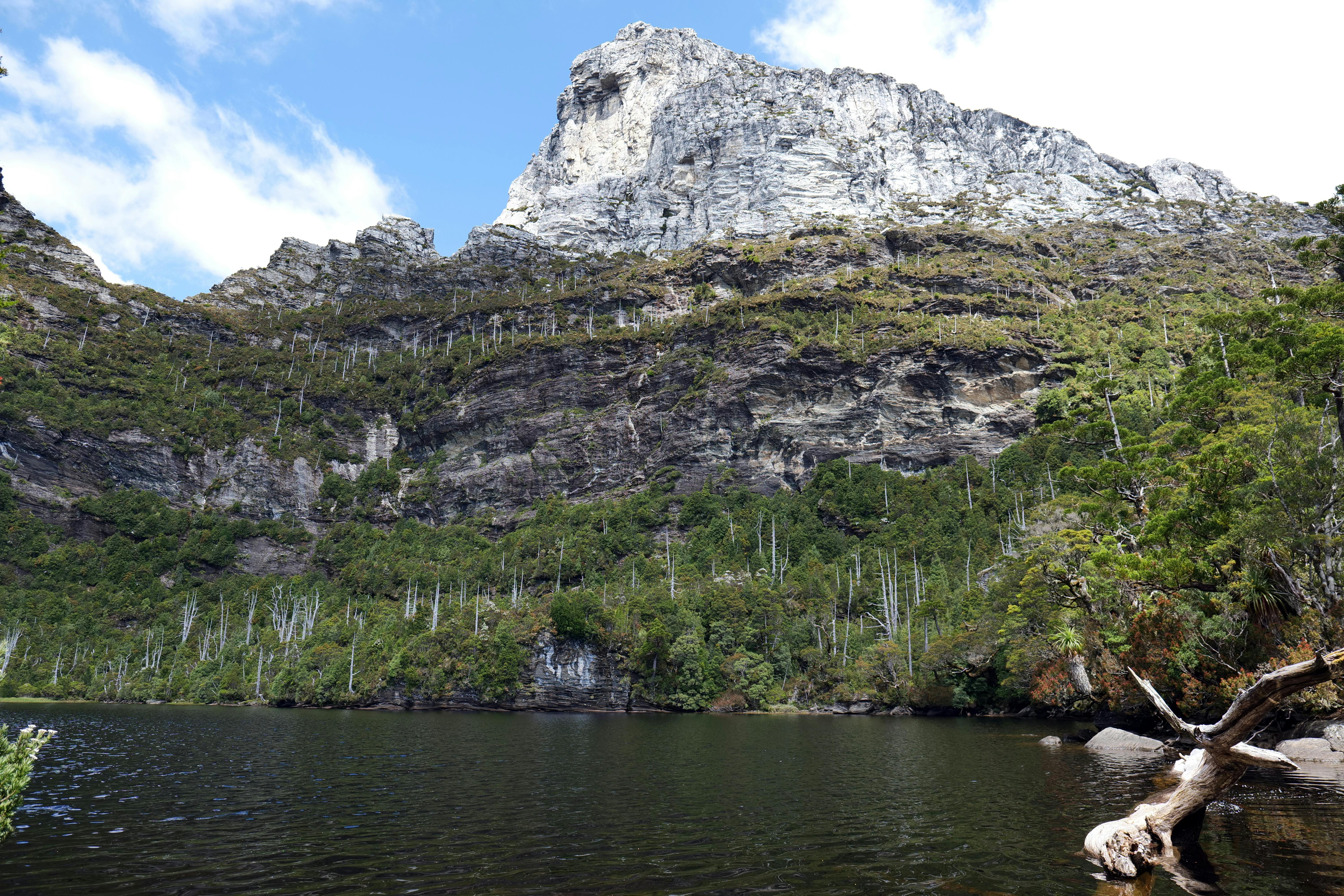
- Dolomite cliffs: More precisely, many iconic Tasmanian sea cliffs are made of dolerite, a dark volcanic rock that forms sharp columns and blocky walls. People often use “dolomite” loosely, but geology is not a press release. The famous columns around the Tasman Peninsula and Cape Pillar are a big part of the drama.
- Clean air: Tasmania’s air quality is often described as among the cleanest on Earth. That claim usually refers to baseline measurements at remote sites, not a magical force field. The atmosphere can still be affected by smoke events, weather patterns, and seasonal fire activity. Real life is like that. Beautiful, but not neat.
- Road access: You can cross a lot of the island by car in a day, but should you? No. The roads are good enough, the distances are short enough, and the temptation to cram too much in is exactly how people end up exhausted and cranky.
What else matters? Seasonality. Summer brings better walking conditions and longer daylight. Autumn offers calmer crowds and rich color. Winter can be moody and good for those who like solitude and cold wind in the face. Spring is for green hills, baby animals, and weather that cannot make up its mind.
Most tourism copy pretends every site is equally important. It is not. The truth is that Tasmania rewards patience more than ambition. You want to stand on a cliff in wind so clean it feels abrasive? Good. You want to see a wombat because you booked one afternoon and called it research? Less good. I’ve seen people spend more time correcting their itinerary than actually watching the island.
For readers who like wider context on travel and public claims, the pattern is familiar. Big claims travel well; careful claims age better. That is why sources matter. The Tasmanian Parks and Wildlife Service is useful for park access, while the national parks example here is a reminder that official park pages usually tell you what the brochures omit: closures, tracks, and the stuff that ruins bad planning.
Timeline and Step-by-Step
A good Tasmania trip has rhythm. It is not random wandering. It is sequence, and the sequence matters.
- Arrive in Hobart
- Start with a night in Hobart if you can. You need a soft landing.
- Walk the waterfront, eat well, and check weather before you pretend to be adventurous.
- I’ve learned that people who skip the city day often pay for it later in fatigue.
- Head for wildlife country
- Drive toward Cradle Mountain or Maria Island depending on your route.
- Look for wombats at dawn or dusk, not at noon.
- Be quiet. Really quiet. Nature is not impressed by loud shoes.
- Visit the coastal cliffs
- Spend time on the Tasman Peninsula, especially around Cape Raoul, Cape Hauy, or Port Arthur.
- The cliffs are the headline act, but the sea, blowholes, and changeable light are what stick in memory.
- Do not rush the lookouts. That is how you miss the scale.
- Chase the air and the light
- Go to open spaces where wind and water dominate.
- The island’s clean-air reputation is most noticeable in remote areas after rain or in cold, clear mornings.
- The clean feeling is real, but it is strongest when weather cooperates.
- Build in slack time
- Stop for roadside produce, a bakery, or a beach you did not plan to visit.
- Tasmania has a habit of making detours look like the main event.
- That is not a bug. It is the whole machine.

Here’s what actually happens on a good trip: you plan too much, then the island politely corrects you. A weather front comes in. A lookout closes. A wombat refuses to pose. Yet the day still works because the place itself is the point, not your control over it.
If you want to connect travel planning to broader public-interest reading, our guide on legal issues involving public figures shows how official claims and real facts can diverge. Same lesson, different subject: check the source, then check it again.
Comparison Table
| Feature | Tasmania Adventure | Biggest Competitor: New Zealand South Island |
|---|
| Wildlife access | Strong chance of wombats, wallabies, seabirds | Strong chance of alpine and marine wildlife |
| Signature geology | Dolerite cliffs, sea stacks, rugged coasts | Glaciers, fjords, alpine peaks |
| Air reputation | Often marketed as among the cleanest in the world | Also very clean, especially in remote areas |
| Trip feel | Compact, quiet, understated | Bigger-scale, more varied, more famous |
| Crowd level | Lower in many places | Higher at major hotspots |
| Best for | Slow travel, nature, solitude, road trips | Grand scenery, adventure sports, mixed itineraries |
| Main drawback | Weather can derail plans fast | Costs and distances can be higher |
The table is useful, but not gospel. Competitor comparisons always flatten things. Tasmania is not trying to beat New Zealand at being New Zealand. It wins by being smaller, stranger, and less showy.
That matters. A lot.
Common Misconceptions and What to Know
The biggest myth is that Tasmania is only for hardcore hikers. Not true. You can have a serious trip with short walks, scenic drives, good meals, and smart timing. You do not need to punish your knees to enjoy the island.
Another myth: the “cleanest air in the world” claim means every breath is pristine all the time. No. That is a slogan, not a sacrament. Air quality in Tasmania is excellent in many remote and coastal areas, but smoke, seasonal weather, and local conditions still matter. The better way to say it is this: Tasmania offers some of the cleanest air you are likely to experience in a populated, accessible place.
A third myth is that wombats are cute in a harmless way. They are cute, yes, but they are still wild animals. Do not crowd them. Do not bait them with food. Do not turn them into props for social media vanity. People do that everywhere, and it always looks small.
The last myth is about the cliffs. Plenty of sites mislabel the geology, and that gets old fast. The famous columnar cliffs are generally dolerite, not dolomite. The difference is not trivia. It is the difference between sounding informed and sounding like you copied the first result on a search page.
Let’s be real: most travel writing turns every fact into syrup. I prefer the cleaner version. Tasmania is impressive because it is specific. It has real wildlife, real rock, real weather, and real quiet. It is not polished to death.
That also shapes how you should judge the place. Charity in judgment matters, even in travel. A destination is more than its marketing line, and a traveler is more than a photo feed. The island rewards people who show up with humility, not entitlement.
For more context on travel claims and public perception, see our related pieces on celebrity travel rumors, business of tourism branding, and royal family vacation coverage.
Frequently Asked Questions
Is Tasmania really home to the cleanest air in the world?
It is one of the places most often associated with extremely clean air, especially in remote and coastal regions. But the claim should be read carefully. It is not a permanent guarantee. It is a strong reputation grounded in geography, low industrial activity, and monitoring at certain sites.
Where is the best place to see wombats in Tasmania?
Cradle Mountain-Lake St Clair National Park is one of the best-known places, though Maria Island is also excellent. Early morning and dusk are your best windows. Midday is mostly for disappointment and sunburn.
Are the cliffs actually dolomite cliffs?
Many famous Tasmania cliffs are better described as dolerite formations. People often say dolomite casually, but dolerite is the more accurate geological label for many of the island’s dramatic columnar cliffs.
How many days do you need for a Tasmania adventure?
A proper trip needs at least 5 to 7 days, and 10 to 14 is better if you want both the east and west sides. Less than that, and you are mostly commuting between scenic regrets.
Final Thought
Tasmania works because it refuses to flatter you. It offers wildlife that does not perform on command, cliffs that do not care about your itinerary, and air that feels clean enough to notice, which is rare in a noisy world. That is the real attraction: not escape, but perspective. The island reminds you that beauty is not always loud, and dignity—whether in people or places—often shows up in restraint.
I’ve covered enough travel stories to know that the best ones leave a mark without shouting. Tasmania does that. It is not a place for those chasing constant spectacle, and that is precisely why it lingers. If you go, go with patience. If you write about it, tell the truth. And if you stand on a cliff above a hard blue sea while a wombat grazes somewhere behind you, do not rush the moment. Some things deserve stillness.