A bomb threat on a United Airlines flight is serious. When a threat is reported onboard, crews do not shrug and keep serving drinks; they divert, isolate the...
United Airlines Bomb Threat Diversion: What Happened, What It Means, and What Travelers Should Know
A bomb threat on a United Airlines flight is serious. When a threat is reported onboard, crews do not shrug and keep serving drinks; they divert, isolate the aircraft, and bring in law enforcement because one bad call can put dozens or hundreds of people at risk. Most of the noise afterward is speculation, but the safety steps are usually cold, fast, and procedural.
Key Takeaways:- A bomb threat triggers immediate aviation security protocols.
- Diverting is usually caution, not panic.
- Most threats turn out false, but still demand a full response.
- Passengers should follow crew instructions without argument.
- Aviation security relies on speed, coordination, and restraint.
What is a bomb-threat diversion?
A bomb-threat diversion is the rerouting of an aircraft to the nearest suitable airport after a threat is reported. It can come from a passenger, crew member, phone call, text, note, or other source, and it often leads to law enforcement, bomb squad involvement, and a cabin search. I’ve covered enough breaking news to say this much: the public hears “threat” and imagines chaos, but the actual response is usually disciplined and unglamorous.
That matters. Airlines do not make these calls for drama, because every diversion burns fuel, disrupts schedules, strands travelers, and costs money. Yet the airline industry lives by a simple moral fact that even the best PR teams cannot spin away: human life outranks convenience. That is not clever branding. It is basic prudence.
United Airlines, like other major carriers, follows federal aviation security rules and coordinates with local police, airport authorities, and federal agencies when a threat surfaces. The aircraft is typically met away from the terminal, passengers are kept calm, and officials determine whether the threat is credible. Most are not. Still, the response cannot assume that. As the FAA explains in its security guidance, threats are treated with seriousness because a wrong assumption in the air can be catastrophic. See the FAA’s aviation security resources here: FAA Aviation Security.
Frankly, this is one of those stories where the headline is louder than the process. The threat may be fake, exaggerated, or maliciously made, but the aircraft and everyone on board are real. And real people deserve calm, careful judgment—something our age often forgets when social media starts turning every incident into instant theater.
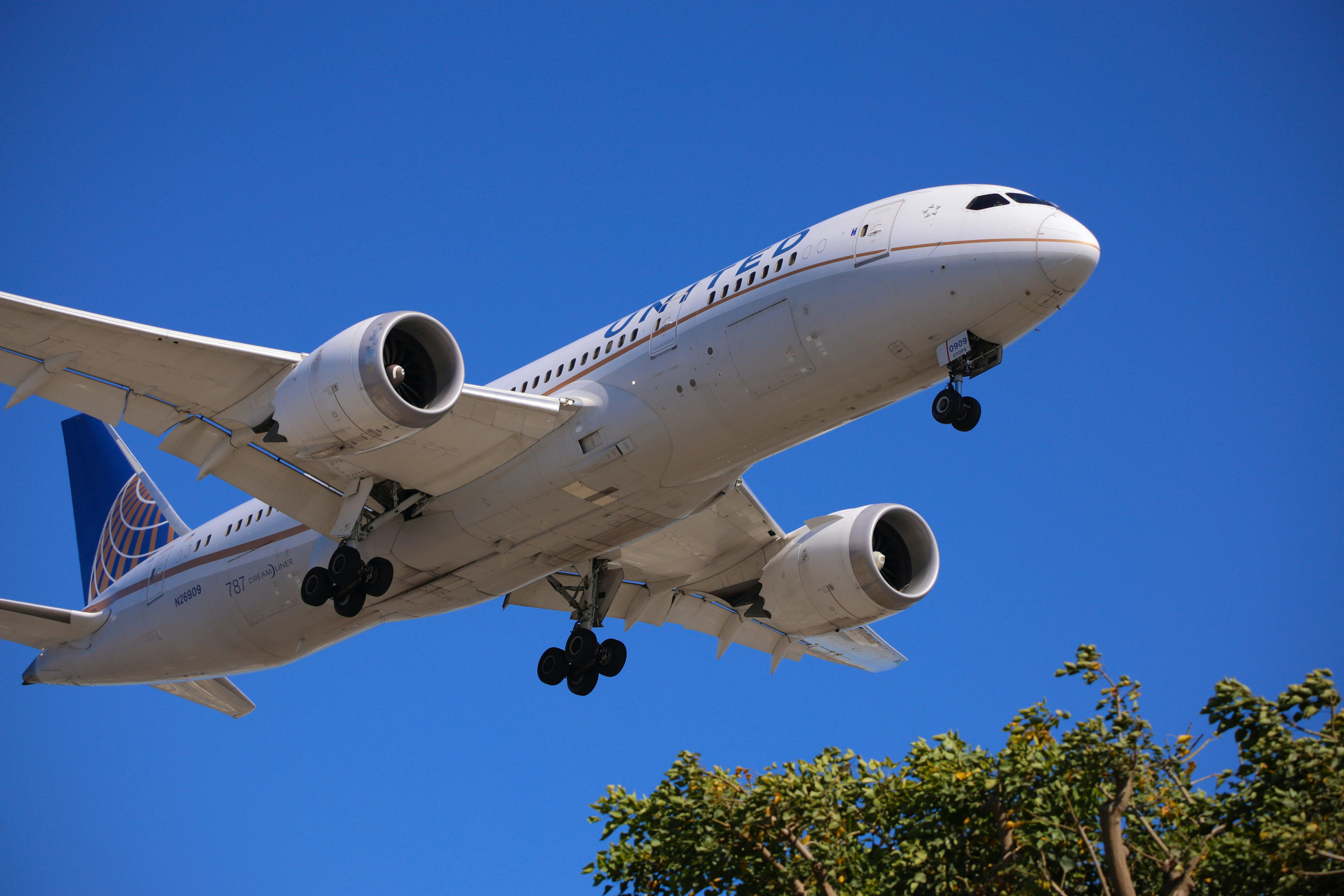
Core details and context
- Immediate pilot response: The flight crew alerts air traffic control and follows emergency procedures.
- Diversion choice: The aircraft lands at the nearest airport that can handle the plane and response teams.
- Cabin safety: Passengers are often asked to remain seated and keep their hands visible.
- Law enforcement response: Police, bomb squads, and airport security assess the claim.
- Passenger impact: Delays, missed connections, rerouted luggage, and a lot of frustration.
There’s the practical side, and then there’s the human side. The practical side is easy enough to explain. The human side is messy. Some passengers panic, some film everything, and some immediately go hunting for a villain online before any facts are known. That rush to judgment is usually wrong. People are more than the worst moment of a headline, and that should be obvious, though apparently it isn’t always.
United, as one of the largest U.S. carriers, is regularly under scrutiny whenever an incident happens. The airline’s name becomes part of the story because scale magnifies everything. A small regional mishap might vanish from the news cycle; a major carrier gets instant attention. That is the price of size, and it applies to airlines, politicians, celebrities, and anybody else living under a public spotlight.
For broader airline context, the National Transportation Safety Board and FAA often document how crews manage emergencies, though not every incident becomes a major investigation. Readers who want a closer look at aviation mishaps and public response can also compare similar high-pressure cases involving airline behavior and crisis management. If you’re interested in how public pressure and corporate response collide, see our coverage of airline crisis response, federal aviation cases, and public figure scandals.
The kicker is this: even when the threat is false, the response is still necessary. Aviation security is built on worst-case thinking because the alternative is complacency. And complacency, in an aircraft cabin, is a foolish luxury.

Timeline and what usually happens next
- Threat reported onboard. A passenger, crew member, or other source alerts the flight crew.
- Captain notified. The pilots receive the report and consult procedures.
- Air traffic control informed. The aircraft is prioritized for landing.
- Diversion airport chosen. The nearest suitable airport is selected.
- Emergency landing completed. Fire, police, and security units meet the plane.
- Passengers deplaned or held. Authorities control movement to preserve safety.
- Search and investigation. Security teams inspect the cabin, baggage, and any evidence.
- Arrests or clearances. If the threat is traced to a person, prosecutors may be involved.
When I tracked similar incidents before, the gap between headlines and reality was always huge. The public sees a dramatic phrase like “emergency declared,” but the operational reality is often a long chain of communications, checklists, and careful restraint. That is how it should be.
If the threat turns out to be false, the consequences do not vanish. A false report can still lead to criminal charges and civil consequences. If the threat is real, the response becomes a criminal and security matter immediately. The Department of Homeland Security and TSA both stress that aviation threats are not treated as casual disruptions. For more on airport procedure and travel safety, the TSA guidance is here: TSA security overview.
In stories like this, people often ask whether the crew overreacted. Usually, that question is backward. The correct question is whether the airline responded in time. A delay is annoying. A missed threat is far worse.
Comparison table
| Factor | Bomb-threat diversion | Routine flight delay |
|---|
| Safety risk | Potentially severe | Usually low |
| Response speed | Immediate | Managed by schedule |
| Law enforcement involvement | Yes | Usually no |
| Passenger disruption | High | Moderate to high |
| Media attention | Heavy | Limited |
| Legal consequences | Possible criminal charges | Rare |
| Crew workload | Intense | Normal operational strain |
If you want the big-picture contrast, this is it: a routine delay is a nuisance; a threat diversion is a security event. The two are not cousins. They are different species.
Common misconceptions and what to know
The first myth is that every bomb threat means a bomb was actually on board. Not true. Most threats are false, but “false” does not mean “harmless.” Security teams still have to search, verify, and clear the aircraft before normal operations can resume.
The second myth is that the airline can just ignore vague threats. Also false. Aviation security is built on the idea that uncertainty must be confronted, not wished away. That might sound severe, but life in public service usually is. Prudence is not paranoia.
The third myth is that a bomb threat is always a publicity stunt. Sometimes it is panic, sometimes intoxication, sometimes malice, and sometimes a confused or mentally unstable person acting irrationally. That does not excuse it. It just means the human story is more tangled than the loudest online take.
Let’s be real: social media loves instant guilt. A passenger gets filmed, a rumor spreads, and within minutes people are deciding who is “the problem.” But charity in judgment matters, even in a rough story like this. People deserve facts before condemnation. That does not weaken accountability; it strengthens it.
The fourth myth is that major airlines are uniquely careless. No serious evidence supports that kind of sweeping claim. Large airlines simply get more coverage because they move more people and generate more data points. If a carrier flies thousands of flights a day, one high-profile incident will look louder than it statistically is.
For readers who follow airline or public-safety cases, related coverage can help separate noise from fact. See our reporting on airport security proceedings, public safety statements, and corporate crisis management.
The truth is simple: an onboard bomb threat is serious even when it is fake. That is not a contradiction. It is exactly how secure systems are supposed to work.
Frequently asked questions
What happens when a bomb threat is made on a plane?
The crew informs air traffic control, the plane is diverted or prepared for landing, and law enforcement meets the aircraft. Passengers are usually kept in place until officials determine the next step.
Are most airline bomb threats real?
No. Most turn out to be false, but they still trigger full safety procedures. Aviation security is based on rapid response, not optimistic guessing.
Can someone be arrested for making a bomb threat on a flight?
Yes. False bomb threats and threats against aircraft can lead to federal charges, and prosecutors often treat them seriously because the risks are so high.
Why not just continue the flight if nothing is found?
Because the crew cannot assume that in the air. A search must be completed and the aircraft cleared before normal operations resume.
Final thought
The modern airline cabin is a tiny society at 35,000 feet. That means fear spreads fast, tempers rise, and one reckless act can shake hundreds of people who never asked for the drama. Most coverage will focus on the spectacle, because spectacle sells. But the real story is quieter, and more serious: trained people did their jobs, passengers were protected, and the system did what it was built to do.
I’ve seen enough of these stories to know the public craves a clean villain and a tidy ending. Real life rarely offers that. Sometimes it offers confusion, a hard landing, and a police tape perimeter while everybody waits for facts. And that is where wisdom lives—not in the noise, but in restraint, in due care, and in remembering that every person on that plane was made in dignity, not for headlines.