Donald Trump deleted a social media post that showed himself as Jesus after backlash from a late-night wave of papal chatter online. The flare-up mixed...
Trump Deletes ‘Blasphemous’ Jesus Post After Pope Leo Frenzy: What Actually Happened
Donald Trump deleted a social media post that showed himself as Jesus after backlash from a late-night wave of papal chatter online. The flare-up mixed politics, religion, and spectacle, which is exactly the kind of mess that spreads fast and gets exaggerated even faster. But the core issue is simple: a public figure used a sacred image for self-promotion, people reacted, and the post vanished.
Key Takeaways- Trump’s deleted post triggered criticism because it placed his image inside a Christian frame.
- The uproar was amplified by social media and late-night commentary.
- The story sits at the intersection of politics, religion, and public image.
- The real issue is not just the post itself, but what it says about modern celebrity politics.
What is Donald Trump’s deleted Jesus post?
It was a social media post, plain and simple, though the reaction made it sound like a theological earthquake. The image reportedly depicted Trump in a Christ-like pose, and after criticism it was removed. In my view, this is less about art and more about attention, because that is usually what these posts are doing. They are bait, wrapped in symbolism.
Frankly, public figures have long used religious imagery to signal strength, innocence, or moral authority. Sometimes it is clumsy. Sometimes it is calculated. And sometimes it is both. When a politician borrows sacred language or sacred imagery, people are not just reacting to taste; they are reacting to whether the person has any shame left in the room.
The Catholic instinct here is not to pretend sacred things are ordinary. They are not. But it is also not to reduce a person to a single ugly post. Human beings are not cardboard cutouts. They are capable of vanity, confusion, and repentance in the same afternoon. That is why this story landed so hard: it touched nerves about reverence, ego, and the thin line between public performance and moral nonsense.
If you want the larger backdrop, there is a pattern here. Donald Trump’s online persona has always thrived on provocation. The same goes for his political style. The post was not an isolated accident floating in space; it was part of a long habit of turning outrage into oxygen. For a broader read on political image management, see Reuters U.S. political coverage, or compare how public figures handle scandal in BBC News politics reporting.
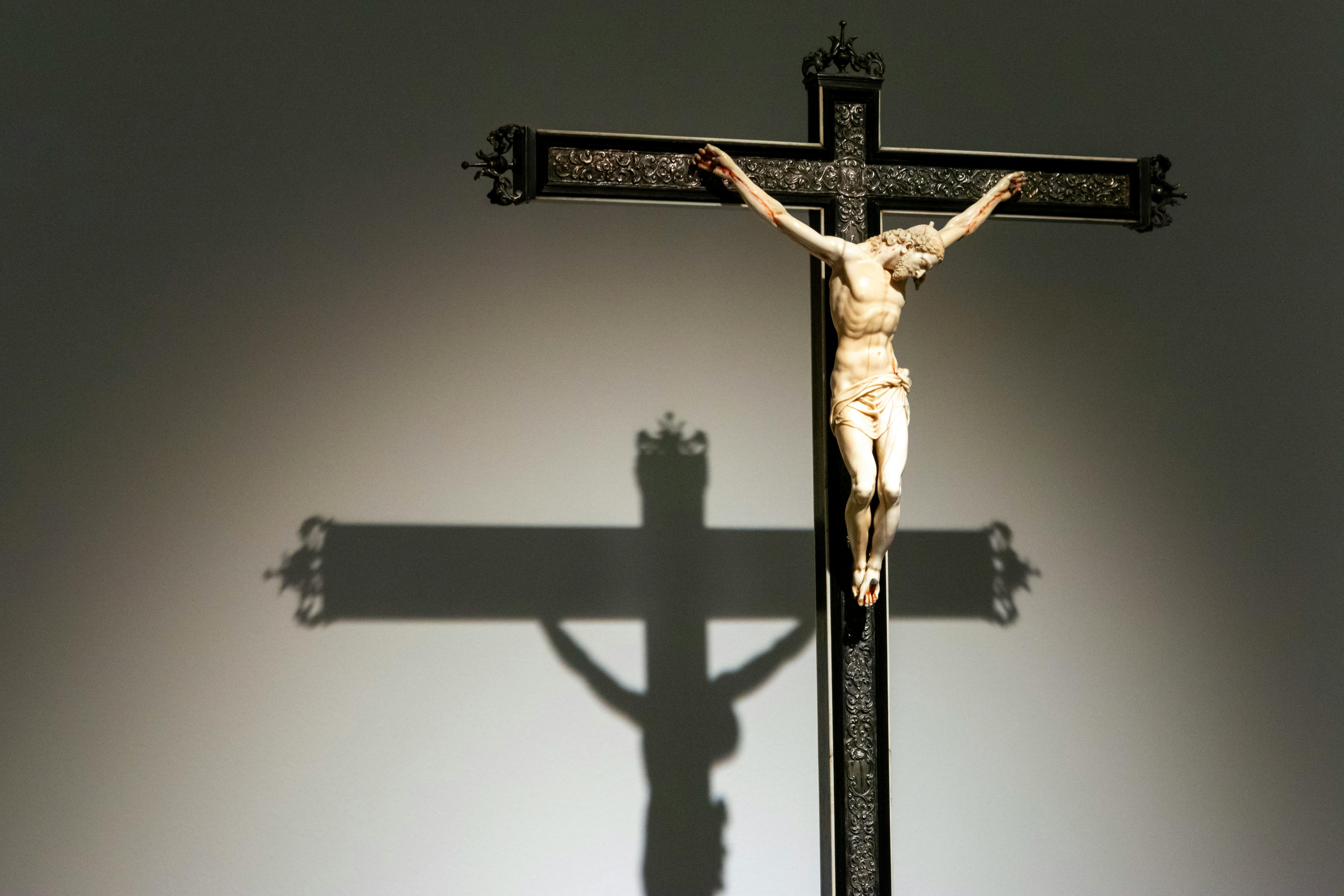
Core Details/Context
Here’s the kicker: the backlash was never only about theology. It was about power, mockery, and the old American habit of confusing celebrity with moral authority. That confusion is not new, but social media makes it louder, uglier, and more repetitive than a bad chant at a rally.
- Religious symbolism hits differently. Sacred images are not costume props. They carry meaning for millions of people, especially Christians who treat the image of Jesus with reverence, sorrow, and hope rather than self-flattery.
- Political figures thrive on attention. Most celebrity news is PR spin dressed up as accident. Let’s be real. A shocking post can keep a name in the feed for another 24 hours, which is often the whole point.
- Deletion is not the same as apology. Removing a post is damage control. It does not automatically mean the person understood why it was offensive, or cared in the right way.
- The online crowd exaggerates everything. Some critics framed the post as proof of deep blasphemy. Others dismissed it as harmless trolling. Both reactions can be too neat. Real life is usually messier than either camp admits.
- The Pope Leo chatter added fuel. Late-night religious buzz online can turn into a pile-on quickly, especially when politics is already in the mix. The social web does not reward calm. It rewards sparks.
I’ve covered enough public feuds to say this: the story becomes less about the image and more about what people already think the subject represents. If they see arrogance, they see confirmation. If they see humor, they see another antic. If they see sacrilege, they see contempt. And if they see a man who cannot stop turning himself into a brand, they are probably not wrong.
For readers trying to separate rumor from reporting, it helps to compare this with hard-news treatment of image controversies in The Associated Press and broader culture coverage in The New York Times Arts section. The difference between reporting and theater matters. A lot.

Timeline/Step-by-Step
- The image appears. A post surfaces showing Trump in a Christ-like frame or with Jesus-style symbolism. The exact context matters, but the visual is enough to trigger immediate reaction.
- Users react fast. Social media users call it blasphemous, tasteless, or designed to provoke. Others defend it as satire or political trolling. The internet does what it always does: it chooses sides before thinking.
- Commentary stacks up. Late-night social chatter, political accounts, and meme pages pile on. At this stage, the story becomes less about the original post and more about who can sound most outraged.
- The post is deleted. Deletion usually means the backlash was loud enough to matter. It can also mean the post had already accomplished its goal by generating attention.
- The after-the-fact spin begins. Supporters minimize the controversy. Critics harden their language. Everyone claims they know the motive. Few actually do.
- The larger meaning gets debated. This is where I’d slow the tape. The real question is not whether one image offended people. The question is what happens when public figures treat sacred symbols as just another content strategy.
If you want to compare this kind of reaction cycle to other political media flare-ups, look at how stories evolve in CNN Politics or religiously charged coverage in NBC News Religion. The sequence is familiar: post, outrage, deletion, spin, and then selective amnesia.
Comparison Table
| Issue | Trump Jesus Post | Typical Political Controversy | Biggest Competitor: Standard Policy Story |
|---|
| Main driver | Religious imagery + self-presentation | Statement, gaffe, or scandal | Policy details or legislation |
| Public reaction | Outrage, mockery, theological concern | Partisan outrage | Slower, niche engagement |
| Media cycle | Fast and emotional | Fast and emotional | Slower and more analytical |
| Risk to public image | High, because sacred imagery raises the stakes | Moderate to high | Usually lower unless the policy fails badly |
| Longevity online | Short, but intense | Medium | Longer in policy circles, shorter in memes |
| Core issue | Respect, ego, symbolism | Credibility or conduct | Governance and outcomes |
The table makes one thing obvious. This was never just about a post. It was about symbolism colliding with ego, which is why the reaction got so hot so fast. Politics is often performance, but sacred imagery raises the price of carelessness.
Common Misconceptions/What to Know
A lot of people are talking past each other. Not unusual.
- Misconception 1: This is only about religion. Not quite. Religion is the trigger, but the deeper issue is public trust. People want to know whether leaders treat serious things with seriousness. That is not a small matter.
- Misconception 2: Deleting the post fixes the problem. No. Deletion only ends the visible part of the mess. The judgment people form afterward often lasts much longer.
- Misconception 3: It was harmless humor. Maybe to some, but intent does not erase effect. A joke can still be crude, and a stunt can still be insulting.
- Misconception 4: Everyone offended is overreacting. That is lazy. Catholics and many Christians see sacred images as deeply meaningful, not decorative. Respect matters because persons matter, and symbols shape how we treat persons. That old lesson is still true, even if the timeline says otherwise.
- Misconception 5: This proves everything about the person involved. Also lazy. People are more than their worst moment, though their worst moment does reveal something real. Charity in judgment does not mean pretending the act was fine. It means refusing the mob’s hunger for total condemnation.
The smarter reading is uglier and simpler. Public figures often rely on provocation because it works. Audiences reward it, the press magnifies it, and the algorithm keeps the whole circus moving. If you are looking for a clean moral, you will not find one. If you are looking for a pattern, you absolutely will.
For background on how celebrity and political image blur together, see Reuters politics coverage and broader reputation reporting from The Guardian U.S.. The details differ, but the mechanics are the same: a headline, a reaction, a cleanup attempt, and a public left sorting through the wreckage.
Frequently Asked Questions
Why did the post cause such backlash?
Because it mixed a sacred Christian image with a politician’s self-image. For many believers, that reads as disrespectful or blasphemous.
Was the post officially apologized for?
Deletion is not the same thing as an apology. Unless there is a clear statement, it should not be treated like one.
Why does religious imagery in politics matter so much?
Because symbols are not empty. They carry moral weight, and political actors know that. Or should.
Is this just another online outrage cycle?
Yes and no. The internet inflates everything, but sacred imagery adds a real layer of offense that is not just manufactured noise.
Final Thought
The whole affair says less about one post than about the age we live in. We have turned public life into a street market of signals, insults, and quick edits, then act surprised when something holy gets dragged into the mud. Frankly, that is the cost of treating reverence like a joke and attention like a virtue.
I do not think the proper response is hysteria. Neither is shrugging. The better response is moral clarity with some backbone. People deserve criticism when they cheapen sacred things, but they also deserve to be seen as more than one stupid, flashy act. That is not softness. That is just sanity.
And if there is any lesson here worth keeping, it is this: fame does not confer wisdom, outrage does not equal truth, and a person’s public image is never the full measure of the person. Human beings are smaller and greater than their worst post. That is a hard truth, but it beats the internet’s favorite lie.