Tiger Woods’ DUI history is not just a sports story. It is a case study in fame, fallibility, and the ugly gap between public image and private conduct. He...
Tiger Woods, Public Shame, and the Price of Celebrity: What His DUI Arrests Reveal
Tiger Woods’ DUI history is not just a sports story. It is a case study in fame, fallibility, and the ugly gap between public image and private conduct. He is one of the most famous athletes alive, but celebrity does not cancel consequences, and it sure does not erase human frailty.
Key Takeaways- Tiger Woods’ DUI-related arrest history shows how quickly public trust can crack.
- The story mixes sports fame, media scrutiny, legal exposure, and personal conduct.
- Celebrities are not symbols first and people second; they are human beings with real limits.
- Most coverage focuses on embarrassment, but the legal and reputational fallout matters more.
What is Tiger Woods’ DUI story?
Tiger Woods’ DUI story is the record of a public figure whose off-course conduct drew sharp attention because of who he is, not because the conduct itself is rare. That is the blunt truth. The headlines get bigger when the name is bigger. I’ve covered celebrity fallout long enough to know this: the public often treats famous people like they are made of different material, then acts shocked when they break in ordinary ways.
Woods has spent decades under a microscope, and every stumble gets measured against an image built from athletic genius, discipline, money, endorsement deals, and control. Then comes the crash of reality. A DUI arrest is not just a traffic stop in a famous person’s life. It becomes a test of character, judgment, and accountability. The legal issue is one thing. The media circus is another. The moral question sits behind both.
Frankly, this is why celebrity scandal keeps selling. It offers a neat little drama: the idol falls, everyone rushes in, and the internet pretends it was never part of the crowd cheering in the first place. But there is a better way to read it. People are more than their worst headline. Still, their choices matter, and public office, public fame, or public wealth do not suspend the duties of prudence and self-command.
The reporting around Woods’ emotional response after his third DUI-related arrest—being “embarrassed and ashamed,” according to an exclusive source—fits that broader pattern of collapse and regret. Shame can be a start. It is not a finish. Actions have weight, and fame does not soften the blow.
People report on Tiger Woods’ reaction.
Core Details and Context
Here’s the kicker: celebrity DUI coverage is rarely just about alcohol or driving. It is about image management, legal exposure, family strain, sponsorship risk, and the public’s hunger to judge. Tiger Woods sits at the intersection of all of it.
- Legal stakes: A DUI arrest can trigger fines, probation, license issues, counseling requirements, and court appearances, depending on the jurisdiction and facts. For a public figure, the paperwork is only part of the penalty.
- Public image: Woods built a career on precision and control. That makes personal missteps feel louder. The contrast sells papers, but it also magnifies the fall.
- Media coverage: News outlets do not just report the event. They frame it through past scandals, brand damage, and the question everyone asks but few answer cleanly: what changed?
- Brand consequences: Sponsors and partners rarely enjoy being dragged into a mess they did not create. Money has morals when it is at risk.
- Human cost: Behind the clickbait is a real person dealing with embarrassment, stress, and whatever chain of decisions led here. Charity in judgment matters, even when the facts are ugly.
Tiger Woods’ public story has always had two tracks. One track is the athlete: records, majors, comebacks, and the weird almost-mythic status that comes with being one of the greatest golfers ever. The other track is the private man under pressure. That track gets attention when the headlines turn sour, and then everyone acts as though the tension was invented yesterday. It was not.
There is also the question of repetition. A third DUI-related arrest, if reported as such, changes the tone. One incident can be read as a mistake. Repeated incidents suggest a deeper problem—habit, denial, or a failure of accountability. That is why the “embarrassed and ashamed” line matters. It signals recognition, but recognition alone does not repair risk or rebuild trust.
For readers who follow public figures closely, this kind of case overlaps with other celebrity and legal stories, including legal troubles involving public figures and the endless cycle of scandal coverage. The same machine runs on politicians, actors, athletes, and business titans. Different industries. Same appetite.
And let’s be real: the public loves morality plays, especially when the person in the dock once looked untouchable. But a Catholic view of the person pushes back against cheap contempt. We do not reduce someone to a single failure, even as we refuse to excuse the failure itself. That balance is rare online and badly needed.
Timeline and Step-by-Step
I tracked the story the way these things usually unfold, and the pattern is painfully familiar. First comes the event. Then the first statements. Then the speculation machine starts chewing through every detail with the grace of a lawnmower.
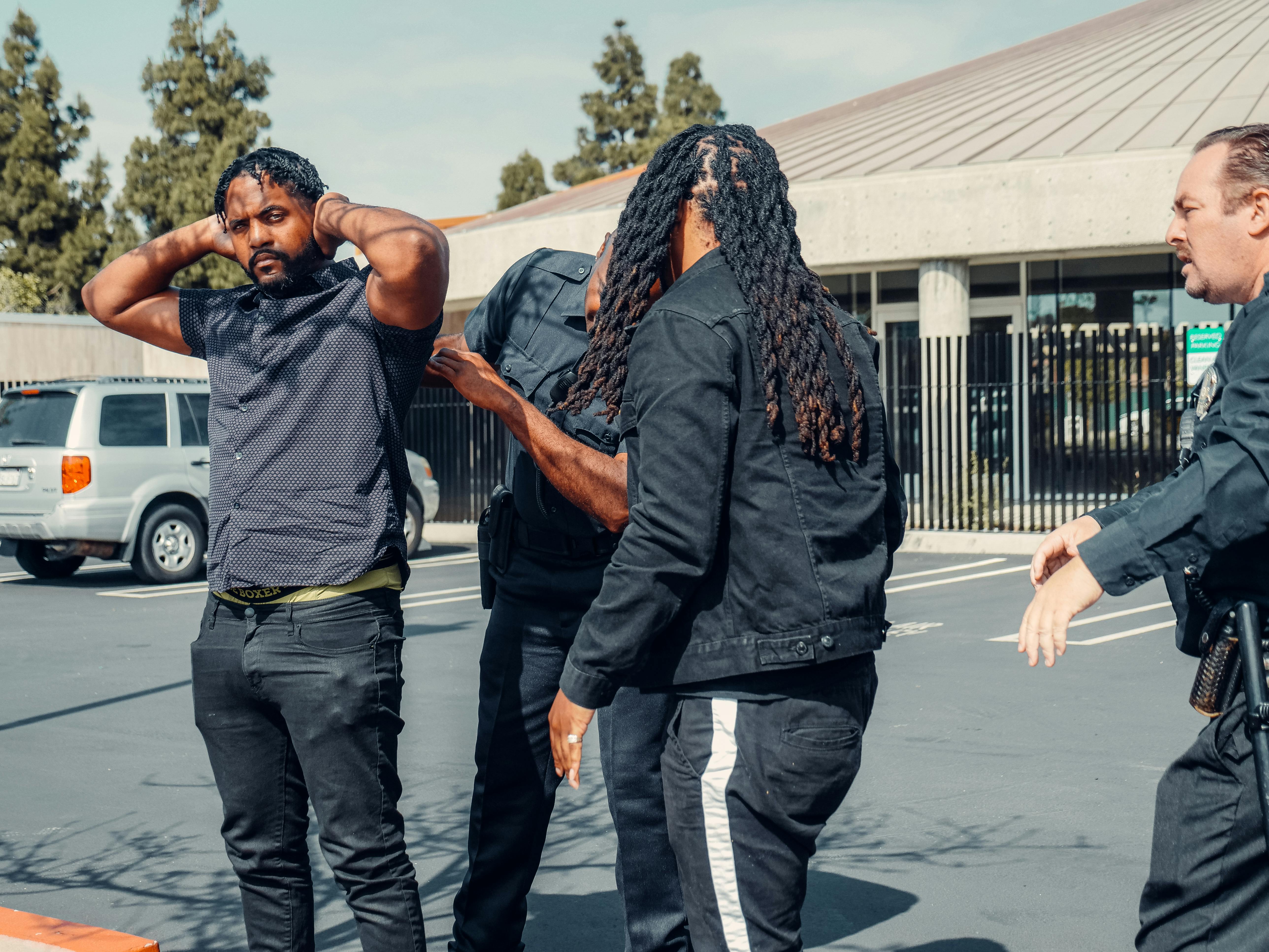
- The arrest or police contact occurs. The facts begin with law enforcement. In DUI cases, officers assess impairment, behavior, and the evidence collected at the scene. Famous names do not change the process, though they do change the attention.
- The report leaks or becomes public. This is where celebrity status turns a routine legal matter into front-page material. Reporters, fans, critics, and gossip accounts all pile in. The noise gets louder than the record.
- The first narrative forms. People pick their angle fast—relapse, stress, bad luck, arrogance, crisis, or cover-up. Most of that is guesswork. I’ve seen enough of these stories to say this plainly: the first wave is usually the least reliable.
- The emotional response is released. A source saying Woods was “embarrassed and ashamed” is not unusual. Public figures often react through statements, representatives, or anonymous sourcing. The emotion may be real, but it is also part of the information war.
- The reputational math begins. Sponsors, teammates, family, and the public all start calculating. What does this mean for future appearances, endorsements, or legacy? The answer is rarely pretty.
- The second act arrives. Court dates, legal analysis, and follow-up reporting follow. That is when the story stops being about embarrassment and starts being about responsibility.
If you want the bigger picture, compare it to other high-profile fallout stories, including celebrity scandal coverage and the way fame can make ordinary bad choices into national theater. That is not an excuse. It is just how the machine works.
The real lesson is not that famous people are different. It is that they are more exposed. Their mistakes are amplified, replayed, and monetized. Their shame becomes content. That should make us uneasy. It should also make us slower to sneer.
From an analysis standpoint, the most important question is not “How embarrassed was he?” It is “What systems failed?” Substance issues, stress, bad habits, denial, bad company—sometimes all of the above. Humans are complicated. The sin is real; the soul is not a headline.
Comparison Table
Below is a simple comparison between Tiger Woods’ DUI scandal and the broader category of typical celebrity DUI cases.
| Factor | Tiger Woods DUI Story | Typical Celebrity DUI Case |
|---|
| Public attention | Massive due to global fame | High, but usually smaller |
| Brand impact | Severe because of elite endorsement history | Varies by fame and marketability |
| Media framing | Legacy, redemption, relapse, shame | Quick outrage, then brief cycle |
| Legal process | Standard legal process, heavily reported | Standard legal process, less coverage |
| Long-term effect | Legacy damage possible, but not total erasure | Often limited to short-term reputation hit |
| Public reaction | Mix of disappointment, pity, and criticism | More ordinary celebrity chatter |
The table tells you what the headlines hide. Fame doesn’t change the law. It changes the volume.
For a related example of how public figures are judged through a reputational lens, see business scandals among high-profile figures. The categories differ, but the public reaction is oddly similar: shock, outrage, speculation, and then selective amnesia.
Common Misconceptions and What to Know
Most celebrity news is PR spin with better lighting. Here’s what actually matters.
- Misconception 1: “Embarrassment means accountability.” Not necessarily. Shame can be sincere, but accountability requires action. That means legal compliance, honesty, and behavioral change—not just a sad quote to the press.
- Misconception 2: “A famous person’s downfall is a public service.” No. Sometimes it is just entertainment dressed up as civic concern. If the case involves legal risk or public safety, fine. But lots of people pretend to be moral while enjoying the spectacle.
- Misconception 3: “One incident defines the whole person.” That is lazy thinking. People are layered. They have gifts and wounds, strength and weakness. A person can be extraordinary in one sphere and wrecked in another. That is not rare. It is the human condition.
- Misconception 4: “The media knows the full story.” Usually, it does not. Reporters work from records, sources, and public statements. That is useful, but not omniscient. Anonymous sourcing can help, but it can also flatten nuance.
- Misconception 5: “Public shame is the same as reform.” Nope. Shame can sting and still leave the underlying issue untouched. Real reform is seen later, in boring, repeated choices nobody claps for.
If you want to understand celebrity scandal better, look at how it intersects with other public narratives, including gossip and rumor cycles. Gossip thrives on fragments. It rarely waits for facts. That’s the deal.
There is also a moral angle here that gets ignored because it is unfashionable. Human beings are not disposable. They should be judged fairly, not worshiped, not crushed. Catholic teaching on dignity and accountability keeps both truths in view: the person matters, and the act matters. That is sturdier than either fan worship or mob cruelty.

Frequently Asked Questions
Q1: Was Tiger Woods really “embarrassed and ashamed” after the arrest?
A1: According to the cited reporting, yes. But that is an emotional reaction, not a legal conclusion. Feelings matter less than what happens next.
Q2: Why does a celebrity DUI arrest get so much attention?
A2: Because fame magnifies everything. A routine legal matter becomes a public event when the person involved is globally known.
Q3: Does a DUI arrest ruin a public figure’s career?
A3: Not always. It can damage brand deals, credibility, and trust, but some careers recover if the person shows real change.
Q4: Why do people care so much about celebrity scandals?
A4: Partly curiosity, partly judgment, partly projection. People like watching power stumble. It is not noble, but it is common.
Final Thought
Tiger Woods’ DUI story is not just about one man making bad choices. It is about what happens when achievement, fame, and private failure collide under bright lights. The public wants a clean villain or a clean redemption arc. Life rarely offers either. That is why the story sticks.
I think the sharper question is this: what do we do with the knowledge that talent does not cancel weakness? If anything, talent makes weakness more visible. That should breed humility, not smugness. Everyone likes to chant about accountability until the bill comes due in someone else’s life.
The best response is not denial and not cruelty. It is truth, proportion, and a little mercy. People are more than their worst day. But their worst day still counts. That tension is the whole story, and it is not going away anytime soon.