Tiger Woods keeps control behind the wheel. That stubborn choice matters, because his public life has long mixed genius, pain, scandal, and recovery, and every...
Tiger Woods keeps control behind the wheel. That stubborn choice matters, because his public life has long mixed genius, pain, scandal, and recovery, and every crash story feeds the same question: is this about privacy, pride, fear, or simple habit? Most people spin a neat narrative. Life is messier.
Key Takeaways:
- Tiger Woods’ refusal to hire a driver is tied to control, privacy, and caution after years of scrutiny.
- Public reaction often blurs the line between verified facts and media frenzy.
- His story sits at the intersection of sports, celebrity culture, legal fallout, and public image.
- The bigger issue is not gossip; it is how a famous person handles risk when every mistake becomes front-page bait.
I’ve covered enough celebrity messes to know this: people love a simple villain or saint, but real lives don’t come with clean labels. Woods is a golfer first, yes, but also a global public figure whose every move gets measured, mocked, and replayed. When he crashes a car—or is merely reported near one—the story stops being about transportation and turns into a referendum on character. That’s the cheap version. The harder version is better: a man with a bruised history may distrust other people driving him, may hate losing control, and may prefer the wheel because it feels like the one thing he can still command.
Frankly, there’s also the PR swamp. Reports about crashes, mugshots, and supposed “inner circle” concern get folded together until nobody can tell fact from garnish. NBC’s mistaken footage apology is a neat example of how fast television can bungle a serious story when speed matters more than accuracy. And when tabloids start mashing together Tiger Woods, legal trouble, and unrelated celebrity names like Vanessa Trump, the whole thing becomes a stew of half-truths. The truth is usually plainer: public figures are not symbols. They’re people, and people can be reckless, guarded, embarrassed, cautious, or all of that in one ugly week.
There’s a moral angle here too, though I’ll keep it quiet. A person is more than the worst headline attached to him. That’s not soft thinking; it’s common sense, and it lines up with the older wisdom that judgment should be tempered by charity. Still, the facts matter, and the facts around Woods’ driving choices, crash history, and public reaction are worth sorting cleanly.
What is Tiger Woods’ crash story really about?
Tiger Woods’ crash story is not one thing. It is a stack of things. It is a sports icon’s private habits, his legal exposures, his long-running struggle with image control, and the way celebrity news machine turns any wreck into a moral circus. People hear “Tiger Woods” and “car crash” and instantly jump to the loudest explanation available. That’s usually where the nonsense starts.
The core issue is this: Woods has had multiple incidents involving vehicles over the years, and each one deepens public suspicion about whether he should be driving at all. But the headline that says he “won’t hire a driver” is not proof of some grand conspiracy or cinematic paranoia. It may simply reflect a mix of mistrust, habit, and a desire for autonomy. I’ve seen this pattern before in public figures—once they feel watched, they prefer to control the most ordinary parts of their day, even when that choice looks foolish from the outside.
What matters is the tension between public image and private behavior. Woods is no longer just the polished sports machine from the 1990s and 2000s. He is an older athlete with a battered body, a complicated reputation, and a media trail that never really dried up. Every incident gets interpreted through the lens of his past scandals. That includes golf victories, relationships, injuries, and yes, anything that smells like legal trouble.
If you want the broad context, it helps to compare this kind of coverage to other celebrity blowups. The same machine that fuels Tiger Woods news also pushes stories about famous names and tangled relationships, like the sort of thing covered in BBC Entertainment, or the legal side of public embarrassment, as seen in CNN Entertainment. For deeper sports context, ESPN Golf remains the cleaner source than gossip sites with too much perfume and not enough proof.
So what is it, really? A mixture of risk, reputation, and control. Not sexy. But true.
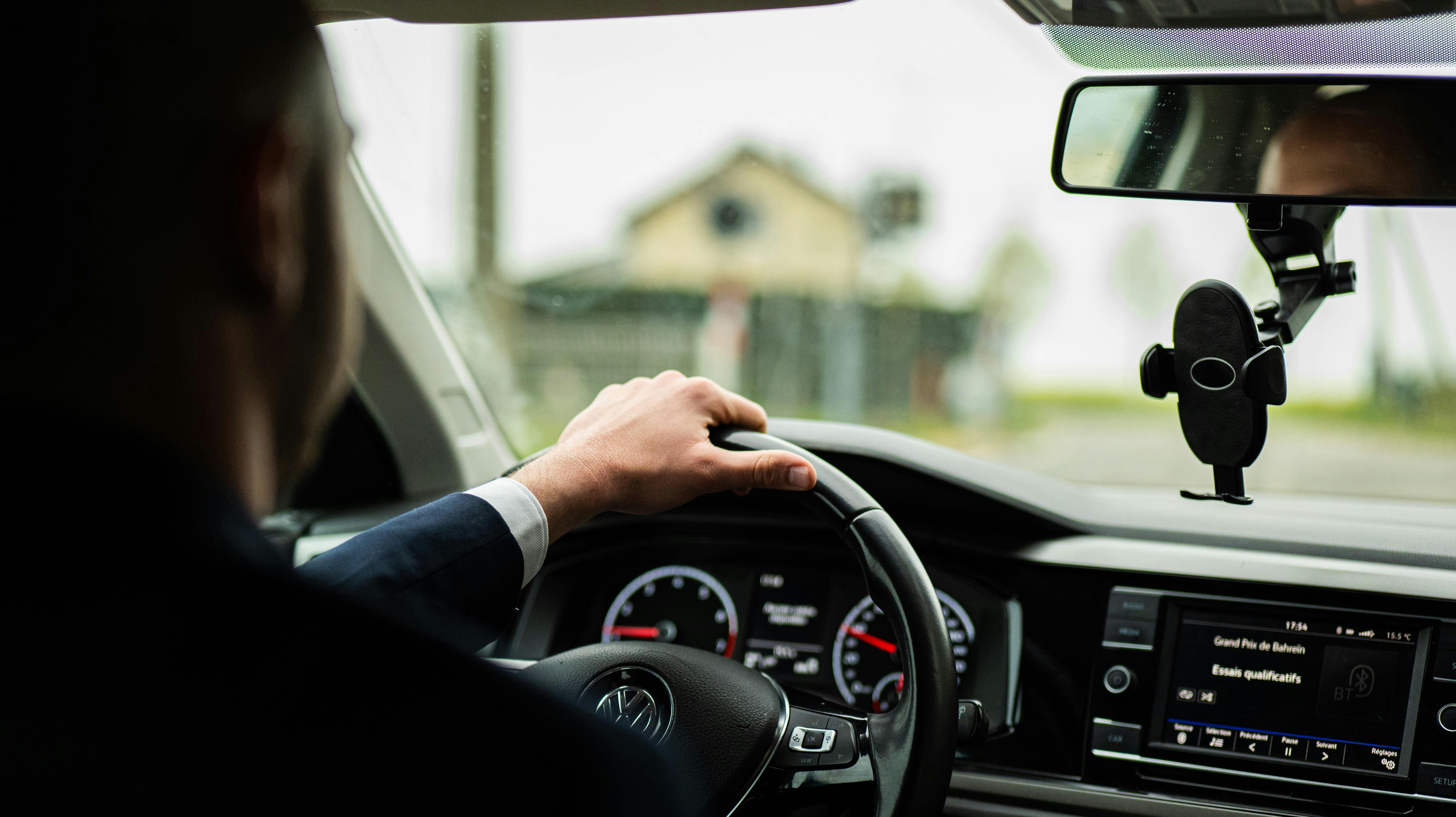
Core details and context
Here’s the kicker: most of the chatter around Woods is less about cars and more about what cars symbolize. Independence. Speed. Recklessness. Status. A crash can look like an accident, but in celebrity culture it gets treated like a character flaw. That’s a lazy habit, and I’m not buying it without evidence.
- Crash history: Woods has been involved in multiple car-related incidents over the years, which naturally makes any new report more explosive.
- Media coverage: Outlets often reuse old footage or sloppy context, which can distort what actually happened. NBC’s apology for airing the wrong crash footage is a perfect example of why people should keep one eyebrow raised.
- Public suspicion: Once a public figure has a record of scandal, every fresh event gets stacked on top of the last one, even when the facts don’t justify it.
- Driver refusal: The claim that he will not hire a driver can be read as control, privacy, or plain stubbornness. Could be all three. People are rarely only one thing.
- Inner circle concerns: Friends and associates may worry about judgment, health, or reputation management. That does not automatically mean they know better than he does, but it does show how fragile image becomes when the cameras never blink.
The most useful way to read these stories is through the lens of career and public image. Woods’ golf legacy is still enormous. His achievements are real, not symbolic. But celebrity culture doesn’t reward nuance. It rewards spectacle, and spectacle feeds on repetition. If you’ve covered public figures long enough, you know that one incident can dominate the news cycle for weeks while deeper issues—health, pressure, isolation, accountability—get barely a glance.
That’s why comparisons matter. Similar celebrity narratives often follow the same path: a headline, a rumor, then a pile-on. You can see this in stories about relationships and reputation, such as coverage around Vanessa Trump and other famous names where the public pretends to know the private facts. It’s the same old tune, just a different drummer.
Now, to be fair, Woods is not owed blind sympathy. Nobody is. If a person makes reckless choices, there are consequences. But there’s a difference between accountability and cartoonish outrage. One is useful; the other is just noise dressed up as moral clarity.

Timeline and what actually happened
- Early career rise: Woods became a global sports star, and with fame came constant attention, which usually means privacy evaporates.
- Previous controversies: As his personal life hit the tabloids, his public image shifted from untouchable hero to highly scrutinized celebrity.
- Vehicle-related incidents: Reports over the years have tied Woods to multiple car crashes or driving incidents, making his relationship with driving part of the public conversation.
- Latest wave of coverage: Fresh reporting renewed the old question: why does he apparently avoid a driver if critics say it could reduce risk?
- Media mistakes: NBC’s mistaken use of crash footage showed how quickly even major outlets can get sloppy when a famous name is involved.
- Rumor pile-on: As usual, unrelated stories—mugshot jokes, relationship gossip, and legal chatter—got sucked into the same orbit.
- Public response: Fans split into camps, some defending Woods as a man with a right to privacy, others saying the pattern looks careless.
When I tracked the reporting, one thing stood out: the strongest claims are often buried under the loudest headlines. That’s a familiar trick. A tabloid says “paranoid reason,” a broadcast blunders footage, and social media fills in the blanks with folklore. Then everybody acts as if the invented version is the real one.
What actually happened in the broad sense is simple enough. A famous athlete with a difficult history keeps making choices that attract attention, and the media keeps converting those choices into a morality play. Sometimes there is a real issue underneath. Sometimes it’s just a famous person living badly under a microscope.
For background on how public figures get dragged through similar coverage cycles, the legal and scandal reporting at Reuters U.S. is cleaner than most. For celebrity relationship angles, People tends to be more careful than outright rumor mills, though even there you should read with caution. And for the sports angle, again, ESPN gives more structure than the average gossip loop.
The point is not to pretend the pattern means nothing. It means something. It just doesn’t mean everything.
Comparison table: Tiger Woods coverage vs. the usual celebrity crash story
| Factor | Tiger Woods coverage | Typical celebrity crash story |
|---|
| Public interest | Extremely high, because of sports legacy and past scandals | High for a day, then fades |
| Media tone | Part sports analysis, part tabloid judgment | Mostly gossip and outrage |
| Main issue | Control, privacy, image, and repeated scrutiny | Shock value and clickbait |
| Legal angle | Often closely watched due to prior incidents | Sometimes present, often shallow |
| Audience reaction | Divided, intense, long memory | Short attention span, quick pile-on |
| Lasting impact | Can affect legacy and endorsements | Usually limited unless crimes are involved |
This table makes one thing obvious. Woods is not just another famous person in a fender-bender story. He is a long-term case study in how fame hardens a narrative. People remember the first scandal and use it as a filter forever after. That is human nature, sure, but it is also unfair.
Common misconceptions and what to know
The biggest misconception is that every rumor must be true because it sounds tidy. That is how people get lazy. They hear “won’t hire a driver,” “latest crash,” “inner circle worried,” and think the full picture is already in hand. Not even close.
- Misconception 1: A crash proves recklessness by itself. Not necessarily. It may, but one incident does not explain an entire life.
- Misconception 2: Refusing a driver means paranoia. Maybe. Or maybe it means privacy, ego, routine, or discomfort with strangers in your business.
- Misconception 3: The media is just reporting facts. Sometimes yes, sometimes no. Mistaken footage and recycled images show how often speed beats precision.
- Misconception 4: Celebrity and truth are the same thing. They are not. Public image is a product, and products get polished.
- Misconception 5: A person’s worst moment defines the whole person. That’s cheap thinking. Also, it’s wrong.
Let’s be real: the public loves punishment almost as much as it loves redemption. But redemption is only meaningful if the person actually changes, and punishment is only meaningful if it’s tied to facts. Otherwise it’s just a mob with better lighting.
That’s where a more humane, more honest view matters. In the old moral tradition, judgment is never meant to erase dignity. A person may be guilty, careless, or foolish, but still remains a person, not a meme. That doesn’t excuse bad choices. It simply keeps the story from collapsing into cruelty.
If you’re trying to separate noise from substance in stories like this, a few rules help:
- Trust direct reporting over recycled clips.
- Check whether the event is confirmed or merely rumored.
- Watch for language that suggests motive without evidence.
- Remember that fame magnifies ordinary human failures.
That is the core lesson here. Not glamorous, but useful.
Frequently asked questions
Why won’t Tiger Woods hire a driver?
There is no single verified answer that explains everything. The most likely reasons are control, privacy, habit, and distrust of giving up personal autonomy. The tabloids love to dress this up as paranoia. Maybe it is. Maybe it is just stubbornness.
How many car crashes has Tiger Woods been involved in?
Reports over the years have linked him to more than one vehicle incident. The exact count depends on what is being included, since not every report refers to the same type of crash or legal situation. Always check the source and the date.
Did NBC really air the wrong crash footage?
Yes, NBC publicly apologized after mistakenly showing the wrong footage in connection with Tiger Woods coverage. That mistake is a reminder that major outlets can still botch high-profile stories when they rush.
Why does Tiger Woods still draw so much attention?
Because he is one of the most famous athletes of his era, and because his life has included both historic achievement and public scandal. That combination keeps the media interested long after the average athlete fades from view.
Final thought
The strange thing about fame is that it makes ordinary choices look symbolic. A car ride becomes a clue. A crash becomes a verdict. A refusal to hire a driver becomes a rumor factory. Tiger Woods lives inside that machine now, whether he likes it or not, and the machine is not built for mercy. It is built for appetite.
Still, appetite is not understanding. There is a difference, and it matters. A man can be brilliant and flawed, guarded and reckless, proud and afraid. That mix is not rare; it is basically the human condition with better shoes. The wiser response is not to pretend the facts disappear, but to keep them attached to proportion.
Maybe that is the real reason this story sticks. It is not just about a golfer, a crash, or a driver. It is about control slipping at the edges, about public judgment getting too loud, and about whether anyone in the glare of fame can still live as a whole person rather than a headline. That question hangs around for good reason.