Susan Smith Denied Parole Again: What the Second Hearing Means
Susan Smith will remain in prison. At her second parole hearing, held by video from Leath Correctional Institution in Greenwood on Thursday, Nov. 19, the South Carolina board unanimously refused release, repeating its 2024 decision and hearing direct opposition from David Smith, father of the two boys she killed. The ruling was clear.
The decision was not a retrial, and it did not alter the conviction or the life sentence described in the hearing account. It was a parole decision: the board declined to release Smith, who appeared by video from prison. The result matched the board’s earlier answer, but the testimony gave this hearing its own human weight. David Smith came before the board as a father, not as a commentator looking back from a safe distance.
I read the central point as plain, if painful: time passing does not make the harm disappear for the people who live with it. There is no neat equation by which a number of years can cancel a child’s death or measure a parent’s grief. Nor does a public case reduce any person in it to a headline alone; dignity and accountability can sit in the same sentence. That distinction matters here.
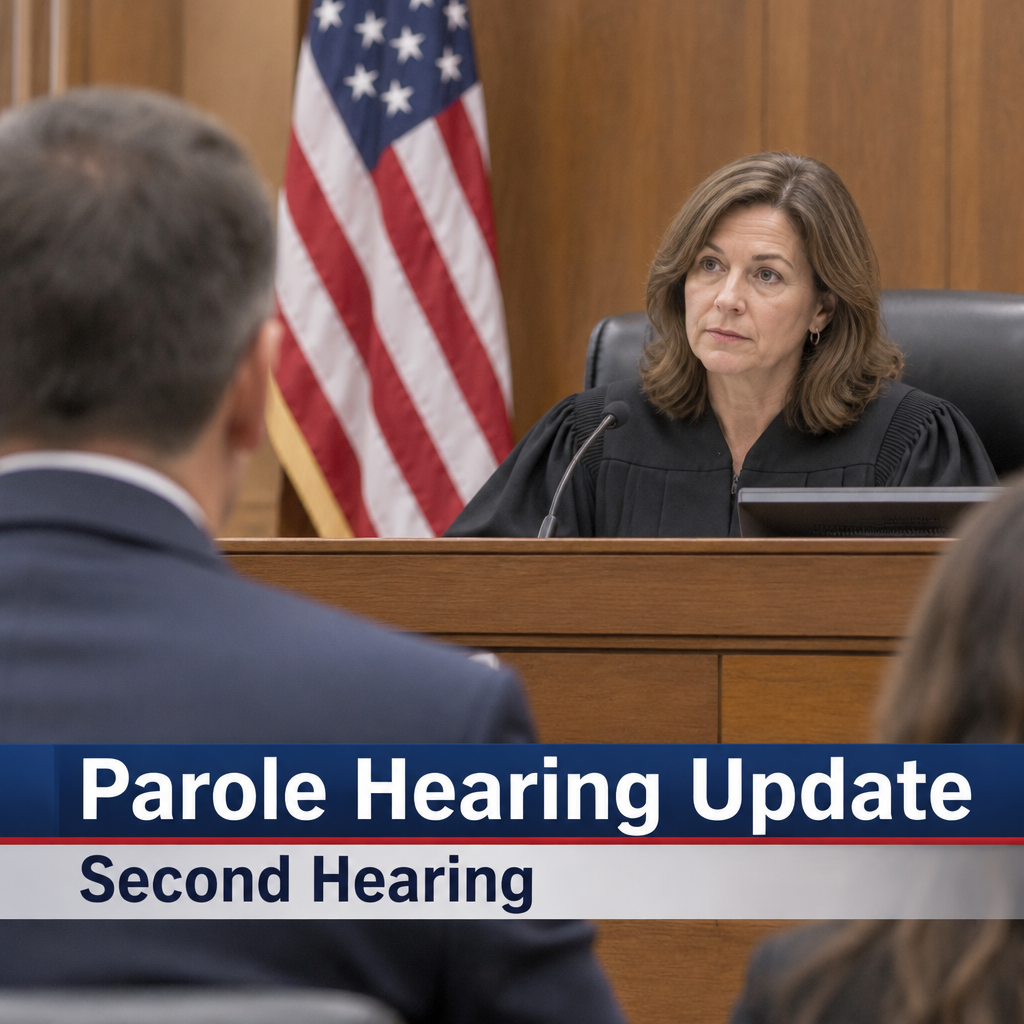
What Is the Susan Smith Parole Decision?
The Susan Smith parole decision is the board’s refusal to release her from prison at her second parole hearing. Smith, 55 at the hearing, appeared by video from Leath Correctional Institution in Greenwood, South Carolina. The board voted unanimously against parole, just as it had in 2024, the first year she became eligible. She remains under the life sentence imposed after her 1995 conviction for murdering her sons.
Parole is different from a trial. A trial determines guilt or innocence; a parole hearing considers whether a person serving a sentence should be released under the applicable process. The hearing account identifies the outcome but does not provide a detailed explanation of the board’s reasoning, so it would be careless to claim that one particular statement or prison record item decided the vote. The known result is enough: no release was granted.
The case has remained in public memory because the crime was followed by a prolonged false account. In November 1994, Smith confessed that she had let her car roll into John D. Long Lake in Union, South Carolina, with Michael, 3, and Alex, 14 months, still strapped into their car seats. Before confessing, she said a Black man had carjacked her at a red light and spent nine days making televised pleas for her children’s safe return. That sequence is part of the public record described here, not a reason to turn the story into spectacle.
I find the distinction between a reported fact and a guessed motive especially important. Prosecutors argued at trial that Smith committed the killings to win back a married man with whom she had been having an affair, after he said he did not want children. Her defense argued that postpartum depression and other mental-health struggles impaired her state of mind. Those were opposing trial arguments; the hearing account does not say the parole board revisited them or adopted either side’s explanation.
The recent decision also has a personal center. David Smith, her former husband and the boys’ father, spoke to the board against release. He said the killings were deliberate and argued that three decades had not made the loss less real. This is not a minor footnote to a procedural result. The hearing placed the continuing effects of the crime in front of the people responsible for deciding whether Smith should leave prison.
Core Details and Context
David Smith’s testimony was direct. “It wasn’t an accident. It wasn’t a bad state. She did it deliberately,” he told the board. He then stressed that the passage of time did not erase what happened to Michael and Alex, asking board members to consider a father’s pain and a still-broken heart. Those words describe his position; they should not be mistaken for a published explanation of the board’s vote.
His opposition was not limited to the hearing room. Days before the hearing, David told PEOPLE he was “totally against” Susan’s release and wanted board members to see the pain he still carried. He said that, although 32 years had passed for other people, it felt to him “still like yesterday.” He had previously described release as an injustice to his sons. The consistency matters: his appearance was not an abrupt change of view made for cameras, but a continuation of publicly stated opposition.
The timeline helps explain why the same case keeps returning to public attention. Smith confessed in November 1994, was convicted in 1995, and first became eligible for parole in 2024. The board denied release then. At the second hearing, the board denied it again. Those dates do not tell us what Smith or David feels privately, and they do not explain the board’s deliberations; they do establish the sequence without embellishment.
The public account also describes Smith’s conduct in prison. PEOPLE previously reported institutional rule violations, including drug possession and sexual encounters with two prison workers in the early 2000s. It also reported that Smith has not received education credits, although she has held a series of jobs: safety security clerk, senior teacher assistant, office clerk and landscape laborer. That is a mixed record, not a simple one-line verdict on character or rehabilitation.
Here’s the kicker: the job history can be acknowledged without treating employment as proof that release is deserved, and the rule violations can be acknowledged without pretending they tell us everything about a person. The hearing account gives no detailed board rationale and no full prison file. It would be irresponsible to fill those gaps with certainty. The available facts are enough to report what happened and to separate reported conduct from speculation.
The victims must remain central. Michael was 3, and Alex was 14 months, when they died. Their ages are not background decoration; they describe the small children at the heart of this case. David’s words make clear that a public anniversary or parole date does not turn them into an abstract issue for their father. A fair account can discuss the defendant’s sentence and prison record while refusing to let the boys vanish behind the spectacle of a notorious story.
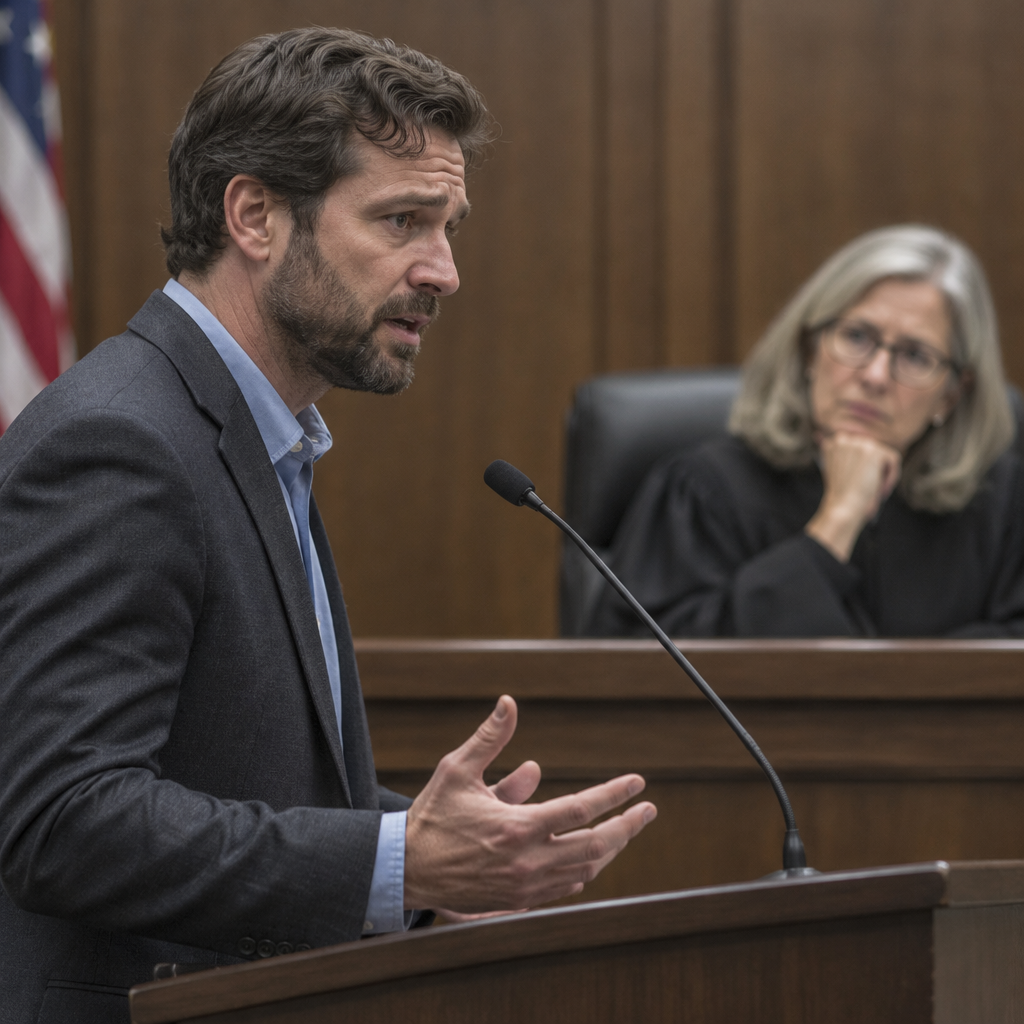
Timeline: From the Confession to the Second Parole Denial
- November 1994 — A false account and a confession. Smith initially said a Black man had taken her car at a red light while her sons were inside. For nine days, she appealed publicly for the boys’ safe return. She then confessed that she had let the car roll into John D. Long Lake with both children strapped into their car seats. The sequence is reported; a retelling should not repeat the false accusation as though it were true.
- 1995 — Conviction and life sentence. Smith was convicted of murdering Michael and Alex and began serving a life sentence. The trial included sharply different accounts of motive and mental state: prosecutors argued that the killings were connected to her effort to win back a married man who did not want children, while the defense pointed to postpartum depression and other mental-health struggles. The account does not supply further trial details, and there is no need to invent them.
- 2024 — First parole eligibility and denial. Smith first became eligible for parole in 2024. The board denied her release at that initial hearing. That earlier result is the relevant comparison for the latest hearing: both ended with a denial. The available account does not state a precise schedule for any future hearing, so none should be assumed here.
- Before the second hearing — David Smith states his opposition. David told PEOPLE that he opposed Susan’s release and wanted board members to understand his pain. He said the years felt like yesterday to him and called release an injustice to his sons. His comments before the hearing aligned with what he later told the board in person.
- Thursday, Nov. 19 — Second denial. Smith appeared by video from Leath Correctional Institution in Greenwood. David addressed the board, emphasizing that the deaths were deliberate and that 32 years had not removed his grief. The board unanimously denied parole again. I see no basis in the reported account to say more about its private deliberations than that.
The sequence is stark, but it should not be flattened into a morality play with every question answered. A confession, conviction, sentence, parole hearing and board vote are distinct events. Keeping them distinct is basic accuracy. So is remembering that the sons were children, their father remains bereaved, and the woman seeking parole is still a human being subject to a sentence imposed for grave crimes.
Comparison: The 2024 Hearing and the Second Hearing
The most useful comparison is not with another notorious case. It is with Smith’s own first parole hearing, because the supplied reporting gives comparable facts about those two decisions. The first hearing established the initial result; the second shows that the board reached the same outcome again, while David Smith again made his opposition known.
| Detail | 2024 initial hearing | Second hearing, Nov. 19 |
|---|
| Place in parole history | First hearing when Smith became eligible | Second hearing since her life sentence began |
| Smith’s appearance | Initial parole hearing | Appeared by video from Leath Correctional Institution |
| Board outcome | Parole denied | Parole denied unanimously |
| David Smith’s position | Publicly opposed release | Spoke to the board against release |
| Information about board reasoning | Not reported in the account | No detailed rationale reported in the account |
The repeated denial is the clearest point of continuity. The second hearing did not reverse the first decision, and the account does not report Smith’s release. Equally, it does not establish what the board will do at a later hearing, when such a hearing might occur, or what specific considerations carried the greatest weight. Readers should resist confident claims on those questions.
The emotional emphasis was especially visible in David’s remarks. He asked board members to look at his pain and said that 32 years had not changed how recent the loss felt to him. A calendar can count years; it cannot dictate how grief behaves. That is not a claim about what the board should decide. It is the father’s account of what the passage of time has meant to him, and the hearing gave him room to say it plainly.
The comparison also shows why “again” is both accurate and incomplete. It accurately describes a second denial. But it can make the event sound like a rerun, when the hearing included a father speaking about two specific children and a prisoner appearing remotely from the institution where she is serving her sentence. The procedural result repeated; the human circumstances did not become trivial through repetition.
Common Misconceptions and What to Know
Misconception: Thirty-two years automatically settles the question. No. David Smith explicitly said that the time passed had not reduced his pain or changed the nature of what happened to his sons. That is his personal experience, not a formula for a parole decision. A careful report can acknowledge that the passage of time matters in the timeline while recognizing that grief does not run on a public schedule. Treating elapsed years as a complete answer would erase the person most directly describing the loss.
Misconception: The second denial proves exactly why the board voted as it did. It does not. The account reports a unanimous denial but does not give a detailed explanation from the board. David’s testimony is documented, and Smith’s prison history has been reported, but neither fact permits an outside writer to declare which factor controlled the vote. Frankly, certainty without a stated rationale is just guesswork dressed up as reporting.
Misconception: The trial arguments are settled psychological findings. The account says prosecutors argued that Smith acted to regain a married man’s affection after he said he did not want children. It also says her defense argued that postpartum depression and other mental-health struggles impaired her state of mind. Those claims belong to the trial’s competing arguments as described here. They should not be rewritten as a definitive clinical explanation, nor should they be casually used to minimize the crimes.
Misconception: Prison jobs or rule violations tell the whole story. Neither does. Smith has held jobs in prison, but the account says she has not received education credits. PEOPLE also reported rule violations involving drug possession and sexual encounters with two prison workers in the early 2000s. Those details are relevant context, yet they are not a complete evaluation of her conduct, remorse, risk or prospects. The board’s detailed assessment is not reported here.
Misconception: A parole denial means the case has ended forever. The reported result means Smith was not released at this hearing. It does not tell readers when another hearing could happen, whether one will occur, or what a future board might decide. No future date is provided in the account. The sensible line is simple: report the decision that happened, and do not manufacture a forecast.
There is also a recurring trap in coverage of famous crimes: the person at the center becomes either a monster in every sentence or a tragic figure whose responsibility is softened away. Neither shortcut serves the truth. People possess dignity, and people can commit grave wrongs; recognizing the first does not erase the second. In this case, respectful writing means naming the crime, keeping Michael and Alex in view, and treating David’s grief as more than a dramatic quote.
Frequently Asked Questions
Was Susan Smith denied parole?
Yes. The board unanimously denied Susan Smith parole at her second hearing on Thursday, Nov. 19. She had also been denied parole at her initial hearing in 2024, when she first became eligible. She remains in prison under the life sentence described in the case account.
What did David Smith say at the hearing?
David Smith, Susan’s former husband and the father of Michael and Alex, opposed her release. He told the board the killings were deliberate and said that the passage of 32 years had not taken away what happened to his sons. He described his heart as still broken and asked board members to consider a father’s pain.
Why did the board deny parole?
The reported hearing account does not provide a detailed explanation from the parole board. It confirms the unanimous denial and records David Smith’s opposition, but it does not identify a single reason as decisive. Any stronger claim about the board’s private reasoning would go beyond the information reported here.
What happened to Michael and Alex?
In November 1994, Susan Smith confessed to drowning her sons by letting her car roll into John D. Long Lake in Union, South Carolina, while they remained strapped into their car seats. Michael was 3 years old and Alex was 14 months old. Smith was convicted in 1995 and received a life sentence.
Final Thought
The second parole denial is a short result attached to a long, painful record. Susan Smith appeared by video, the board voted unanimously against release, and David Smith spoke against the possibility of her return to the community. The outcome is clear. A detailed account of the board’s reasoning is not reported, and pretending otherwise would add heat without adding truth.
The case still draws attention because it combines a shocking crime, a false story told publicly, arguments over mental health and motive, a prison record, and the enduring grief of a father. Those elements can attract sensational coverage, but the most important facts are not hard to identify: two very young boys were killed, their mother was convicted and sentenced to life, and their father says the loss still feels immediate. None of that requires theatrical language.
I would keep the focus there. Accountability should not depend on whether a story remains familiar to the public, and compassion should not be rationed only to people whose lives are easy to summarize. Charity in judgment is not the same as excusing a crime; it is a refusal to turn a human being into a caricature while refusing to turn victims into props. Michael and Alex deserve to remain more than names in a parole story. David’s grief deserves to be heard without being treated as a performance. And the board’s decision deserves to be reported as it was: a unanimous denial, with no further rationale supplied in the public account.
The next chapter is not reported. Until there is a new hearing or a documented change, the responsible account ends with the decision actually made: Susan Smith was denied parole again.
Reporting references: Live 5 News coverage and hearing stream; PEOPLE reporting; South Carolina Department of Corrections.