‘Survivor Greece’ turned into a lawsuit story fast. Stavros Floros, an injured contestant, is reportedly seeking $100 million after losing his leg during...
'Survivor Greece' Contestant Stavros Floros Sues for $100 Million After Losing Leg While Filming
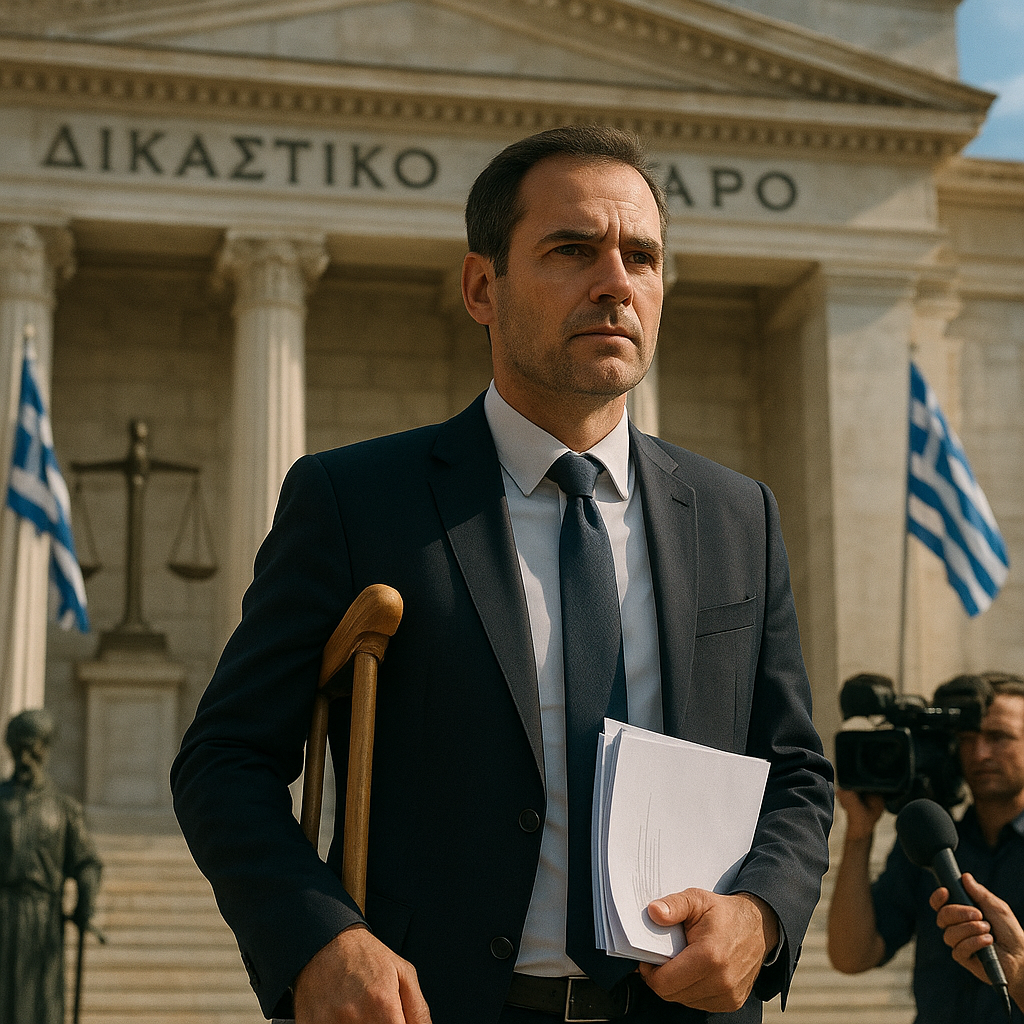
‘Survivor Greece’ turned into a lawsuit story fast. Stavros Floros, an injured contestant, is reportedly seeking $100 million after losing his leg during filming, and the case raises blunt questions about duty of care, reality TV safety, and how far producers must go when a show built on hardship crosses into serious harm.
Key Takeaways- The case centers on a severe on-set injury during reality TV production.
- Floros is reportedly pursuing $100 million in damages.
- The story touches legal liability, insurance, and producer responsibility.
- Reality TV sells grit, but it still runs on contracts, risk controls, and human limits.
- The bigger issue is not drama. It is whether anyone was properly protected.
What is the Stavros Floros ‘Survivor Greece’ lawsuit?
This is a personal injury and entertainment-industry legal dispute tied to a reality competition show. In plain English, it means a contestant claims he suffered catastrophic harm while filming, and he wants the court to decide whether the show, its producers, or related entities bear legal responsibility. That’s the heart of it. Nothing fancy.
The allegation is serious because the reported injury was not a sprain, a bruise, or some cheap bit of TV melodrama. A lost leg is life-altering. It changes work, mobility, independence, family life, and mental health. You can talk ratings all day, but the body does not care about ratings. Frankly, that’s where the TV gloss runs out.
Most reality shows sell the illusion of controlled danger. Viewers see mud, fire, heights, hunger, and bad weather, but they rarely see the safety crew, medics, waivers, and legal scaffolding behind the camera. I’ve covered enough public controversies to know this: the public story is often cleaner than the real one. There is always paperwork, always risk allocation, always somebody trying to pin down who knew what and when.
That said, lawsuits are not automatic truth machines. A claimant can have a legitimate grievance, but the facts still matter. Was the danger foreseeable? Were contestants briefed? Were safety measures reasonable? Was there negligence, or was this an awful accident in a dangerous format? Those questions decide the case, not the headline.
The moral angle is pretty simple, even if the legal one is not: people are not props. A person’s dignity is not reduced because cameras are rolling. That’s a basic moral line, and reality TV crosses it at its peril. More on that in the court records and filings that may eventually surface in fuller detail through coverage from BBC News, Reuters, and The Associated Press when the case is reported more widely.
Core Details and Context
The reported claim sits at the intersection of television production, civil liability, and public outrage. And yes, the outrage comes fast. People hear “$100 million” and instantly assume greed, theatrics, or fame-seeking. Sometimes that instinct is right. Sometimes it is lazy. Let’s be real: a massive number in a complaint is often a bargaining position, not a final payout.
- Severity of injury: Losing a leg is not a minor incident. It can support claims for medical costs, lost earning capacity, future care, and pain and suffering.
- Location of incident: If filming occurred in a jurisdiction with different safety laws, contracts, and damages rules, that changes everything.
- Waivers and releases: Reality contestants usually sign thick stacks of legal forms. But waivers do not always excuse negligence, especially gross negligence.
- Producer conduct: The real fight is often about whether producers ignored known risks, cut corners, or failed to respond properly after the injury.
- Insurance coverage: Big productions typically carry policies, but catastrophic injuries can blow past normal limits. That is where the money argument gets ugly.
The entertainment industry loves to market “survival” as entertainment. The problem is that survival is not a theme park ride. If a competition is designed to test endurance, it still has to meet basic safety standards. That tension is not new. Reality TV has always flirted with recklessness, and then acts shocked when someone gets badly hurt.
I have seen this pattern before: the public assumes a contestant is either a victim or a grifter. Life is messier than that. A person can be both ambitious and badly injured. A production can be both popular and careless. Human beings are not cartoon heroes or villains. That old truth is tucked inside nearly every serious dispute, whether people like it or not.
The size of the reported damages demand also deserves a hard look. A $100 million claim may sound outrageous, but big figures often reflect the scale of future medical care, permanent disability, trauma, and the leverage needed to force serious settlement talks. Courts do not award money because a number is dramatic. They award it when the evidence and law support it. Big difference.
For context on how broadcasters and producers handle dangerous formats, see coverage from The New York Times TV coverage and The Guardian television section, which often examine the ethical tradeoffs of reality programming.

Timeline: How these cases usually unfold
Reality-TV injury cases follow a rough sequence. The details change, but the bones are familiar. Here’s the kicker: the public usually sees the injury first and the actual legal fight much later.
- Contestant signs up
The participant agrees to film, train, and follow production rules, often under a contract packed with risk disclosures. - Filming begins
Challenges, physical tests, weather, fatigue, and pressure pile up fast. Producers insist controls are in place; contestants often say the experience is harsher than expected. - Injury occurs
A fall, collision, equipment failure, or unsafe condition triggers emergency response. If the injury is severe, medical evacuation and treatment begin immediately. - Aftermath and treatment
The injured person deals with surgery, rehab, job loss, and emotional strain. This is where the glossy TV story fades and real life bites. - Legal review
Lawyers examine contracts, safety records, witness statements, medical reports, and production protocols. I’ve followed enough disputes to say this plainly: the paper trail matters more than the press release. - Claim or lawsuit filed
The injured contestant may seek compensation from producers, network partners, insurers, or other responsible parties. - Defense response
The other side may argue the contestant accepted the risk, the injury was unavoidable, or proper safety measures were used. - Settlement talks or trial
Many cases settle. Some do not. If the evidence is ugly enough, both sides may prefer compromise over a public trial.
The big question is whether the injury was an unavoidable accident in a high-risk format or the result of bad planning. That distinction is everything. And no, a cheery host voiceover does not answer it.
When I track these cases, I look for three things: prior warnings, documented safety procedures, and what happened in the minutes after the injury. If a production ignored warning signs, that is trouble. If it responded quickly, documented everything, and followed medical protocols, the legal picture gets better for the defense. Simple enough.
For readers who want comparable legal coverage, Courthouse News is useful for civil filings, while Reuters Legal often reports on major personal injury and entertainment disputes.
Comparison Table
Below is a simple comparison between the Floros case and a more typical reality-TV injury dispute.
| Factor | Stavros Floros / Survivor Greece Case | Typical Reality-TV Injury Claim |
|---|
| Alleged harm | Loss of a leg and permanent disability | Fractures, sprains, cuts, or temporary injuries |
| Reported damages | $100 million claim | Usually much lower, though still substantial |
| Public attention | High because of severe injury and headline value | Moderate unless a celebrity is involved |
| Legal stakes | Potentially massive due to long-term care and liability questions | Often limited to medical costs and compensation disputes |
| Producer exposure | May involve negligence, safety failures, or inadequate supervision | Often resolved through insurance or settlement |
| Sympathy factor | Strong, because the injury is life-changing | Mixed, depending on facts and severity |
| Media coverage | Likely intense and skeptical | Often brief and procedural |
The comparison is blunt for a reason. A catastrophic injury changes the stakes. The public may roll its eyes at the dollar figure, but the law will focus on permanence, damages, and responsibility. Those are not the same thing.
I also think it is worth comparing this to other high-profile entertainment cases where bodily harm or legal exposure became the real story, not the show itself. That happens a lot. The spectacle gets people in the door, then the legal bill shows up and everyone starts speaking in a different tone.
Common Misconceptions and What to Know
There are a few recycled myths that pop up every time a celebrity or contestant sues. Most of them are nonsense. Some are just shorthand. Either way, they blur the facts.
Misconception 1: A big lawsuit means the claim is fake.
Not necessarily. Large civil claims often reflect the scale of permanent harm, future treatment, and lost income. A dramatic number is not proof of fraud. It is often a negotiating anchor.
Misconception 2: Reality show contestants assume all risk, full stop.
That is too simple. People can accept ordinary risks and still sue if organizers were careless. A waiver is not a magic shield. Courts usually care about what was foreseeable and what was preventable.
Misconception 3: If the show is popular, it must be safe.
Rubbish. Popularity proves an audience, not prudence. Plenty of shows are slickly packaged and still cut corners behind the scenes.
Misconception 4: The injured person is either a hero or a liar.
No. Human beings are more complicated. A person can seek justice and still be flawed. That is just reality, and frankly, it is more in line with how people actually are.
There’s a deeper point here. In public scandals, people often reduce someone to a viral clip or a single allegation. That is a bad habit. The older moral tradition teaches charity in judgment for a reason: facts first, heat later. A contestant is not just a headline, and a producer is not just a villain with a logo. Everyone involved has duties, limits, and failings.
What should readers watch for next?
- Court filings that spell out who is being sued
- Contract terms about risk, medical care, and liability
- Safety records from the production
- Expert testimony on whether the injury was preventable
- Settlement signals if both sides start talking privately
If you want the broader business side of how production companies absorb legal risk, see The Wall Street Journal and its reporting on corporate insurance, liability, and media companies.
Frequently Asked Questions
Is the $100 million figure confirmed?
Early reports often reflect the claim amount in a lawsuit, not a final court award or settlement. Big number, yes. Final number? Usually not yet.
Can a reality show be sued if a contestant signed a waiver?
Yes, sometimes. Waivers can be powerful, but they do not automatically erase liability for negligence, gross negligence, or unsafe conduct. The exact wording matters, and so does the law in the filming jurisdiction.
Why do reality TV injuries lead to such large claims?
Because severe injuries can create lifelong medical costs, lost earning power, rehabilitation expenses, and psychological harm. A catastrophic injury can easily outgrow a small settlement figure.
What usually happens in cases like this?
Most end in settlement or motion practice rather than a dramatic public trial. The lawyers trade documents, experts weigh in, and the parties decide whether to fight or pay. That’s the boring truth, and usually the real one.
Final Thought
This case is about more than one contestant and one show. It is about what happens when entertainment tries to squeeze profit from danger and then acts surprised when someone gets hurt badly. That’s the scandal, not just the number attached to the complaint.
People love to treat public figures as symbols, but they are still human beings with bodies that break and futures that can be altered in a second. The law exists, at least in theory, to measure that harm with some seriousness. Not perfectly. Never perfectly. But enough to remind everyone that fame does not cancel responsibility, and a person’s suffering is not a side plot.
If the facts show negligence, the lawsuit has teeth. If the production did everything it reasonably could, that will matter too. Either way, the case deserves more than cheap snark. It deserves a clear-eyed look at risk, duty, and the cost of pretending that spectacle is harmless.