House of horrors? That’s the mood here, because the leaked <strong>Summer House</strong> reunion audio turned a routine reality-TV sit-down into a messy...
Summer House Reunion Leak: Ciara Miller’s Rant, Amanda Batula, and Andy Cohen’s Response
House of horrors? That’s the mood here, because the leaked Summer House reunion audio turned a routine reality-TV sit-down into a messy public spectacle, and Andy Cohen’s reaction made one thing clear: Bravo knows exactly how fast a private conversation can explode online. The leak centered on Ciara Miller’s harsh rant about Amanda Batula, and the whole thing is a reminder that on reality TV, reputations, friendships, and edits can all get scrambled in one ugly afternoon.
Key Takeaways- The Summer House reunion leak exposed off-camera tension that viewers rarely hear in full.
- Ciara Miller reportedly aimed a blistering rant at Amanda Batula.
- Andy Cohen publicly responded, which only fueled more interest.
- Most of the noise is about public image, but the bigger issue is how reality TV blurs truth, performance, and damage control.
What is the Summer House reunion leak?
It’s leaked audio. And not the harmless kind, either, because this clip appears to have captured a private reunion moment that was never meant to be public, which means the usual Bravo circus got a lot less polished and a lot more combustible. The core story is simple: Ciara Miller allegedly unloaded on Amanda Batula during a reunion-related recording, and that audio spread fast enough to become the day’s main gossip item.
Frankly, that’s the whole game with reality TV leaks—what was once backstage becomes the headline. I’ve covered enough celebrity messes to know that leaks rarely arrive without motive, and even when nobody admits to planting them, the effect is the same: everyone scrambles, fans pick sides, and the network has to react before the story hardens into “truth.” The kicker is that the public usually hears one sliver, then builds a cathedral out of it.
For context, Summer House lives on conflict. The show is built from friendships, fractures, flirtations, and status games, which means the cast’s Career and Public Image are tied directly to how they argue on screen. That’s why this leak matters more than a random offhand comment. It isn’t just shade; it’s evidence of a deeper feud, whether temporary or longstanding.
If you want the broader Bravo pattern, this sits in the same bucket as other cast blowups that spilled into public view. For a related angle on the way Bravo stars and their public roles collide, see Bravo’s official coverage, or compare how media spins can snowball in pieces like People’s Bravo reporting. That’s the machinery here—attention, friction, and a lot of people pretending they’re not reading every word.
People are more than their worst clip. And that matters, because a Catholic view of human nature would say the same thing: a person is not reducible to one outburst, one edit, or one anonymous leak, even if the public loves to act otherwise.
Core Details/Context
Here’s the ugly little truth. Reality TV encourages confession, but it punishes honesty when the wrong microphone catches it, and that’s exactly why the Ciara Miller and Amanda Batula situation hit so hard—what might have been a tense reunion exchange became a wider debate about loyalty, arrogance, and who was really speaking for whom.
- Ciara Miller’s rant was the center of the leak, and the tone reportedly was sharp, personal, and unfiltered.
- Amanda Batula became the target, which matters because she is not just a castmate; she is part of the show’s emotional center of gravity.
- Andy Cohen’s response gave the story legitimacy, because when the reunion host acknowledges a leak, fans stop wondering whether it’s real and start asking why it happened.
- The leak reinforced how Media Coverage can turn a private gripe into a franchise-wide scandal.
- The real audience, as always, was not just viewers—it was the internet, which eats half-stories for breakfast.
Let’s be real: most reality-TV outrage is performance layered over real feeling. That doesn’t mean the anger is fake. It means the cast knows the camera is always near, so even a genuine grievance can be sharpened into a sound bite. When I tracked similar Bravo stories, the pattern was obvious—people talk more bluntly off camera than on it, then act shocked when the unfiltered version gets out.
There’s also a business angle, and yes, it’s less glamorous than the drama. Bravo monetizes conflict. Cast tension drives clips, recaps, reunion ratings, podcast chatter, and social media traffic. The network has every reason to keep the franchise buzzing, but it also has to protect the illusion that the drama still has boundaries. Once an audio leak crosses that line, control slips.
For readers who follow this sort of thing closely, the broader context is familiar. Check out how celebrity conflict plays out in stories like People’s Summer House coverage and Bravo’s own episode and cast updates at Bravo’s Summer House page. If you want to see how public figures handle reputational damage in a different arena, the same playbook appears in CNN politics reporting—deny, clarify, reframe, repeat.
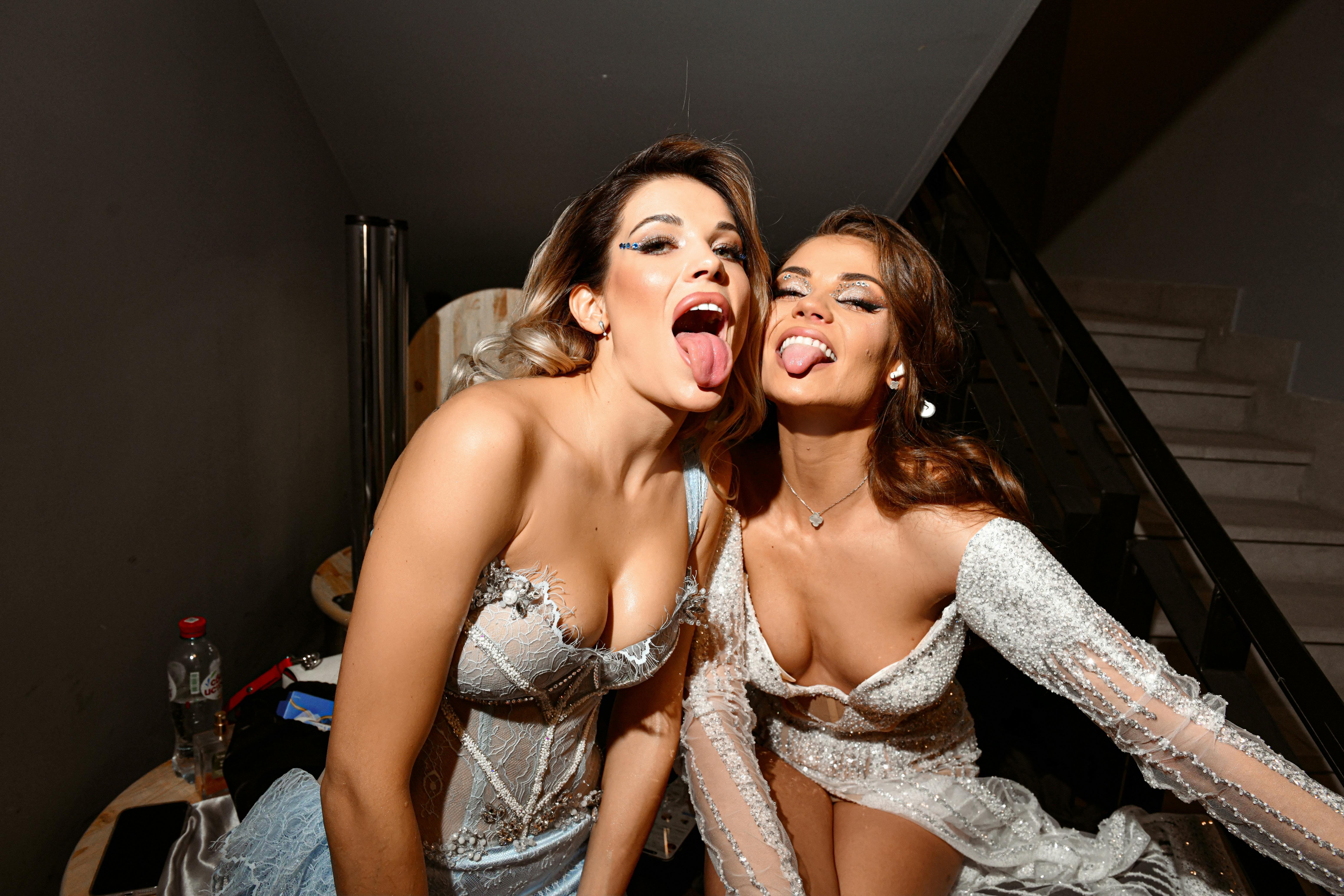
What’s the moral of the story? It’s not complicated: public people live under glass, but the glass distorts more than it reveals, and charity in judgment is not naïve—it’s sober. A person may say something nasty and still remain a person worth hearing in full.
Timeline/Step-by-Step
The sequence matters. Because with leaks, the order of events tells you more than the outrage does, and the timeline here shows how a private feud became a public pileup before anyone had a chance to cool off.
- Tension builds on the show. The cast dynamics around Ciara Miller and Amanda Batula had already been strained, so the reunion did not emerge from nowhere. These things almost never do.
- A reunion recording captures the blowup. Somewhere in the post-filming machinery—call it production, call it loose talk, call it the usual mess—audio surfaced that included Ciara’s reported rant.
- The leak spreads online. Once the clip hit the internet, the story escaped Bravo’s control, and the fan discourse turned immediate and feral. No surprise there.
- Andy Cohen responds. Cohen’s reaction mattered because he is the franchise’s public face, and when he addresses a leak, he is effectively acknowledging that the mess is real enough to require management.
- Fans and media parse the fallout. The clip becomes a referendum on tone, friendship, loyalty, and who started what, which is exactly the sort of thing tabloids and recap culture love.
- The broader reputational battle begins. At this stage, everyone involved is no longer just reacting to the audio—they’re reacting to how others are reacting to the audio. That’s where the spiral begins.
I’ll say this plainly. The main event is not the rant itself but the aftershock, because once a reality-TV feud becomes a shareable artifact, the cast stops speaking only to each other and starts speaking to the public, the sponsors, and the edit.
If you want a cleaner explanation of how these TV ecosystems work, official and secondary sources help. See The Hollywood Reporter TV news for industry framing, and Deadline’s Bravo coverage for the business-side read. A rumor may start as noise, but it becomes narrative when enough outlets repeat it.
Comparison Table
Here’s the practical comparison. Because every scandal needs a foil, and in this case the “competitor” is the carefully edited reunion segment that viewers expected versus the leaked audio that ripped the mask off and changed the rules.
| Factor | Leaked Reunion Audio | Aired Reunion Episode |
|---|
| Control | Low; once leaked, anyone can share it | High; edited by production |
| Tone | Raw, blunt, unscripted | Smoother for broadcast standards |
| Public impact | Immediate and chaotic | Slower, shaped by recap cycle |
| Risk to cast image | Higher, because context is thin | Lower, because editors add framing |
| Fan reaction | Fast, polarized, messy | More measured, still noisy |
| Network response | Damage control and clarifying statements | Promotion and episode scheduling |
| Main weakness | Missing context | Possible selective editing |
The table tells the story. And the story is this: the leak wins the internet because it feels unguarded, but the aired version wins because it comes with context, even if that context is curated to the point of suspicion.
That’s why fans never quite trust either version. The leaked clip feels authentic, the broadcast feels managed, and both can be true at once.
For more on the cast and the show’s official framing, Bravo’s Ciara Miller page and Bravo’s Amanda Batula page are the cleanest starting points. For wider celebrity-news context, E! News regularly covers these interpersonal blowups with the sort of eye-roll tone the audience expects.

Common Misconceptions/What to Know.
People love a shortcut. And when the topic is a leaked rant, the shortcuts get ridiculous fast, because everyone wants a villain, a victim, and a final sentence, while the real story is usually uglier and less tidy than that.
Misconception 1: The leak proves everything. Not quite. It proves a version of a conversation, not the full context, and context is the thing everyone conveniently forgets when the clip flatters their side.
Misconception 2: Andy Cohen’s response means Bravo approved the leak. No. A response usually means the network or host is trying to limit the damage, not secretly endorsing the mess. People confuse acknowledgment with admission. That’s sloppy thinking.
Misconception 3: One rant defines a person’s character. This is where the moral part matters. Public figures can behave badly without becoming cartoons, and they can also be unfairly flattened by a single moment. Human beings are mixed, always. It’s an old truth, and still true today.
Misconception 4: Reality TV drama is random. Usually it’s not. It grows from real friction, production pressure, social competition, and the simple fact that fame makes small grievances louder.
Here’s the kicker. A leak is not a verdict, it’s a shard of glass, and if you stare only at the shard, you miss the whole broken window.
If you want a broader sense of how media narratives harden around celebrity conflict, read Vulture’s TV coverage or Variety’s television reporting. They’re useful because they show how quickly a small off-camera moment becomes a full-scale publicity problem.
Frequently Asked Questions
What did the Summer House reunion leak reveal?
It reportedly revealed a heated rant from Ciara Miller aimed at Amanda Batula, which spread online and fueled a wave of reaction about their cast relationship, the reunion process, and Bravo’s leak problem.
Why did Andy Cohen respond?
Because once a reunion audio leak starts circulating, silence looks like evasion, and Cohen’s role as the face of the franchise makes his response part damage control, part clarification, and part recognition that the story had already broken loose.
Is the leaked audio the full story?
No. It’s one recording, not a courtroom transcript, and any honest reading has to admit that missing context can distort motive, tone, and sequence.
Why do viewers care so much about reality-TV leaks?
Because they love access, and leaks feel like forbidden access, even when the result is mostly confusion, performative outrage, and endless social-media crossfire.
The truth is simple. People want secrets, but they also want moral certainty, and those two cravings usually collide the moment a reality-TV clip goes public.
Final Thought
This story is about more than one rant. It’s about how quickly public image can be shredded when private anger meets the internet, and how a show built on social conflict ends up exposing the old problem every age has faced: people want to be known, but they fear being seen whole. I’ve covered enough of these blowups to know the real scandal is often not the first insult—it’s the appetite we all have for dragging a person down to their worst moment and calling that justice.
That’s poor judgment. A more honest reading gives space for fact, for context, and for mercy, because if the public keeps treating every celebrity slip as proof of total depravity, then nobody learns anything, and everyone just gets noisier. Summer House will move on, because these shows always do, but the pattern remains: fame amplifies weakness, editors compress truth, and the audience fills in the rest with whatever confirms its mood that day.
Maybe that’s why these stories sting. They show how thin the line is between entertainment and humiliation, and how easily a crowd can forget that a cast member is still a person, not a prop.