Chaos hit the streets. The <strong>“No Kings” rallies</strong> turned into a mess of arrests, tear gas, road closures, and a <strong>tactical...
Streets of Mayhem: What the ‘No Kings’ Rally Chaos Means for U.S. Politics
Chaos hit the streets. The “No Kings” rallies turned into a mess of arrests, tear gas, road closures, and a tactical alert in Los Angeles, showing how fast a political message can become a public-order problem. The slogan was meant to signal resistance, but the footage told a sharper story—one about crowd control, law enforcement pressure, and the ugly speed of escalation.
Key Takeaways
- Multiple U.S. cities saw unrest tied to “No Kings” rallies.
- At least 13 arrests were reported in early coverage.
- Los Angeles declared a tactical alert as tensions rose.
- Tear gas and police lines became part of the story.
- The event sits at the crossroads of politics, law enforcement, and public image.
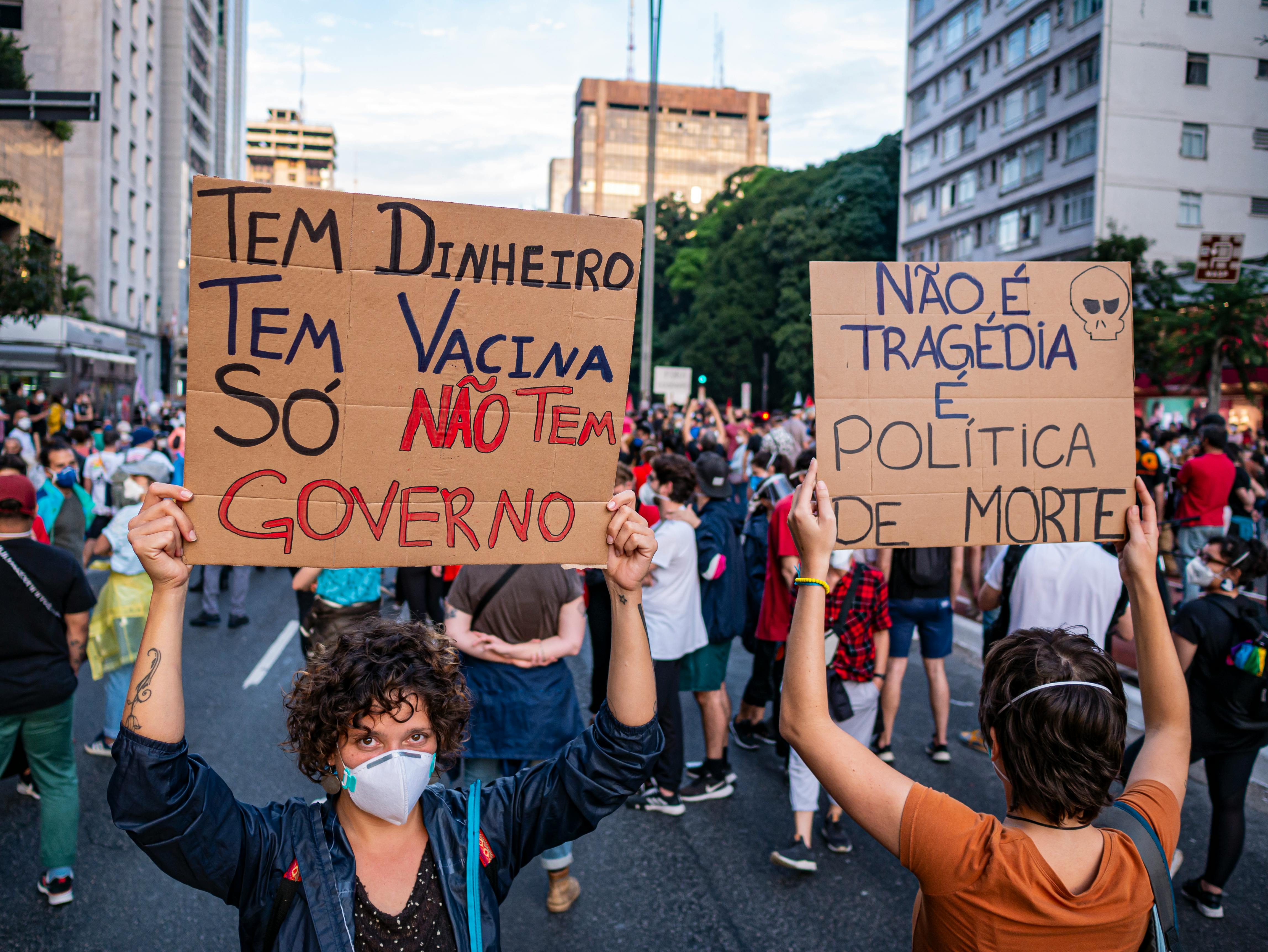
What is the “No Kings” rally chaos?
The “No Kings” rally chaos is what happens when anti-establishment protest branding collides with a hot crowd, heavy police presence, and the internet’s appetite for conflict. It is not just a chant. It is a public test of whether organizers can keep a message clear while the street tries to swallow it whole.
I’ve covered enough political flare-ups to know the first headline is rarely the whole truth. Most of the drama starts with slogans, but the real story is usually pressure, order, and blame. Frankly, the slogan is the easy part. The harder part is keeping a crowd focused when everyone—supporters, critics, the curious, and the reckless—is reading the same signs for different reasons.
The phrase itself taps into an old American instinct: distrust of concentrated power, anger at elites, and a taste for public defiance. But once a rally spills into clashes, the argument changes. Are police responding in proportion? Are organizers maintaining discipline? Are agitators making things worse? Here’s the kicker: all three questions can be true at once.
There’s also a moral layer people often ignore. Public life is not a cartoon, and people are more than their worst moment or their most shareable clip. A Catholic view of human dignity makes that plain. It doesn’t excuse violence or excuse sloppy policing; it just refuses to reduce anybody to a costume in someone else’s outrage machine.
For background on how public figures and institutions get dragged into these fights, see our related coverage of political protests and public order, city emergency response, and arrests at public demonstrations.
Core details and context
- Arrests: Early reports said at least 13 arrests were made across several rally sites.
- Tear gas: Officers used tear gas in some places to disperse crowds.
- Los Angeles response: Officials declared a tactical alert as the situation escalated.
- Public order: Street closures, police lines, and crowd-control barriers became central visuals.
- Media effect: Viral clips often shaped opinion before fuller reporting caught up.
What stands out is not just the unrest itself, but how quickly it became a political Rorschach test. Supporters frame enforcement as repression. Critics frame disruption as proof the movement lacks discipline. Everyone talks past everyone else. Annoying, but true.
I’ve seen this pattern before. A charged message, a loud crowd, a police presence that grows heavier by the minute, and then one spark sends the whole thing into a new orbit. The label matters less than the behavior. A protest can have a serious purpose and still be hijacked by bad actors. A police response can be lawful and still look excessive if the timing is clumsy or the footage is cropped.
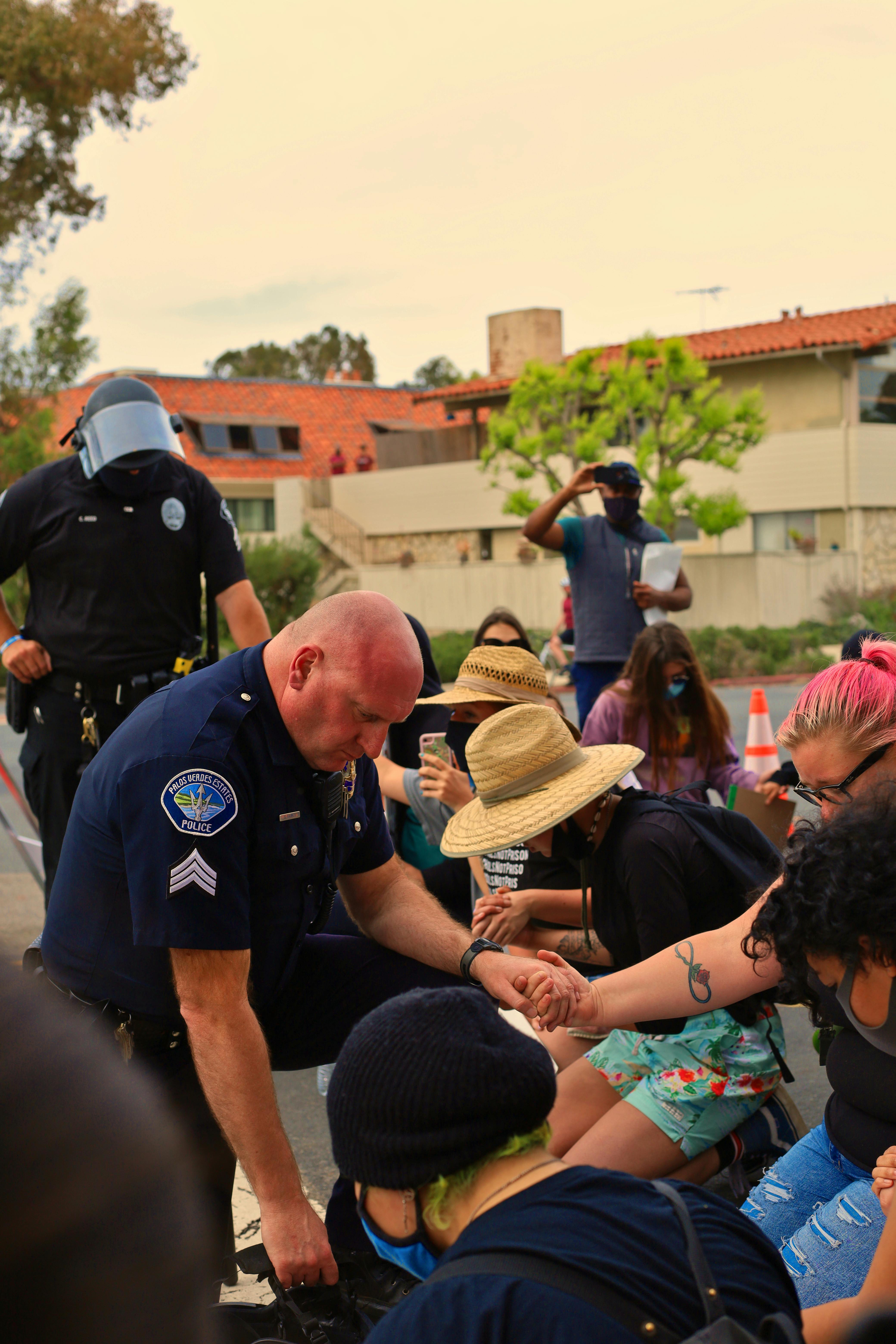
Timeline / step-by-step
- Rally messaging spread. The “No Kings” framing gained traction as a symbol of anti-authority protest.
- Crowds assembled. Participants gathered in multiple U.S. cities, including Los Angeles.
- Tension rose. Police monitoring increased as crowds grew louder and less orderly.
- Clashes began. Tear gas was deployed in some areas, and arrests followed.
- Los Angeles escalated. Officials declared a tactical alert as conditions worsened.
- Narrative war started. Political figures, activists, and media outlets fought over what the footage meant.
Here’s what nobody tells you: once a crowd gets agitated, decisions happen fast and are rarely perfect. Protesters may think they are being cornered. Police may think they are one shove away from a riot. Both may be wrong in different ways. Human frailty sits right in the middle of public disorder.
Comparison table
| Factor | “No Kings” Rallies | Mainstream Political Rally |
|---|
| Core message | Anti-authority, anti-elite | Candidate or policy support |
| Public image | Edgy, confrontational | Controlled, branded |
| Risk of unrest | Higher when crowds mix with agitators | Usually lower, but not zero |
| Media coverage | Focuses on clashes and optics | Focuses on speeches and turnout |
| Law enforcement posture | Heavier monitoring, crowd control | Standard event policing |
| Political fallout | Fast and volatile | Slower and more predictable |
For a wider look at how public-order stories get packaged, see more on political protests and public order, city emergency response, and arrests at public demonstrations.
Common misconceptions / what to know
- Misconception 1: All protesters want chaos. No. Most people showing up want their message heard, not a street brawl.
- Misconception 2: Police action automatically proves abuse. Also no. Sometimes force is justified, sometimes it is not, and the facts matter.
- Misconception 3: Viral footage tells the whole story. It rarely does. A ten-second clip can hide hours of calm, confusion, or provocation.
- Misconception 4: One city’s unrest means the whole movement is violent. That’s lazy thinking, and it helps nobody.
The smartest way to read this story is to separate the cause, the crowd, and the clash. They are related, but they are not the same. Most commentary smears them together because outrage sells. I’ve seen that trick too many times to let it pass without a raised eyebrow.
What the public should watch next is not just arrest counts. Look at charging decisions, police body-cam releases, organizer statements, and whether injuries are documented. Those details matter more than the loudest clip on social media. If there was misconduct, it should be shown. If there was restraint, that should be shown too.
Frequently Asked Questions
Q1: What does “No Kings” mean in protests?
It usually signals opposition to perceived authoritarianism, elites, or concentrated power.
Q2: Why did police use tear gas?
Tear gas is typically used to disperse crowds when officers believe the situation is becoming unsafe or unmanageable.
Q3: What is a tactical alert in Los Angeles?
It is an emergency staffing and deployment status used to increase police readiness during major incidents.
Q4: Were there arrests?
Early reports said at least 13 arrests occurred across the demonstrations.
Final Thought
The street is a lousy place for truth to sit still. Once a protest tips into chaos, everybody reaches for the version that flatters their side, and the facts get bruised in the process. But public order, human dignity, and the right to assemble all matter at once. That’s the hard part, and the only honest place to begin.