Spring break can get ugly fast. When crowds swell, alcohol flows, and local police are stretched thin, beach towns and downtown districts can start looking...
Spring Break Chaos: Why Rowdy Revelers Are Turning Tourist Cities Upside Down
Spring break can get ugly fast. When crowds swell, alcohol flows, and local police are stretched thin, beach towns and downtown districts can start looking less like a holiday spot and more like a public-order headache, with fights, stampedes, vandalism, and emergency calls piling up.
Key Takeaways- Spring break is a recurring public safety issue, not just a party story.
- Police overload often comes from a few flashpoints: alcohol, overcrowding, and weak crowd control.
- Cities respond with curfews, beach closures, extra patrols, and fines.
- Most coverage focuses on chaos, but the real issue is planning, incentives, and accountability.
- People are more than their worst night out; public order still matters.
What is Spring Break chaos?
Spring break chaos is the messy side of a seasonal travel rush, where large groups of students and young adults flood a city and the normal rules of calm civic life get shoved aside. It is not complicated. The pattern is simple enough, and frankly, it repeats because the incentives are obvious: cheap drinks, social media bragging, loose supervision, and venues that make money off volume rather than restraint.
I’ve covered enough public flare-ups to know this: most stories sold as spontaneous madness are actually the end result of predictable behavior. Cities promote themselves as party capitals, bars push promotions, influencers chase attention, and then everybody acts shocked when the crowd behaves like a crowd. The truth is, a city cannot market intoxication and then feign surprise when the bill arrives.
That does not mean every spring breaker is a troublemaker. Hardly. Most people just want sun, music, and a break from class or work. But a loud minority can overwhelm police and ruin it for everyone else. That is the key issue. Civic order is a shared good, not a private luxury. When it breaks down, the vulnerable pay first: local workers, families, shop owners, and emergency crews.
The phrase “turns cities into The Purge” is tabloid language, sure. But it points to a real anxiety: when police are overwhelmed and fights break out in public, people feel like normal rules have thinned. That feeling may be exaggerated online, but it is not invented. Once a city loses control of a crowd, reputation spreads faster than facts, and that hurts business, residents, and public confidence.
For broader context on how crowd behavior and celebrity-style public attention can warp events, see this related piece on spring break crowd safety, plus our coverage of public disorder in tourist zones and this look at police staffing challenges.
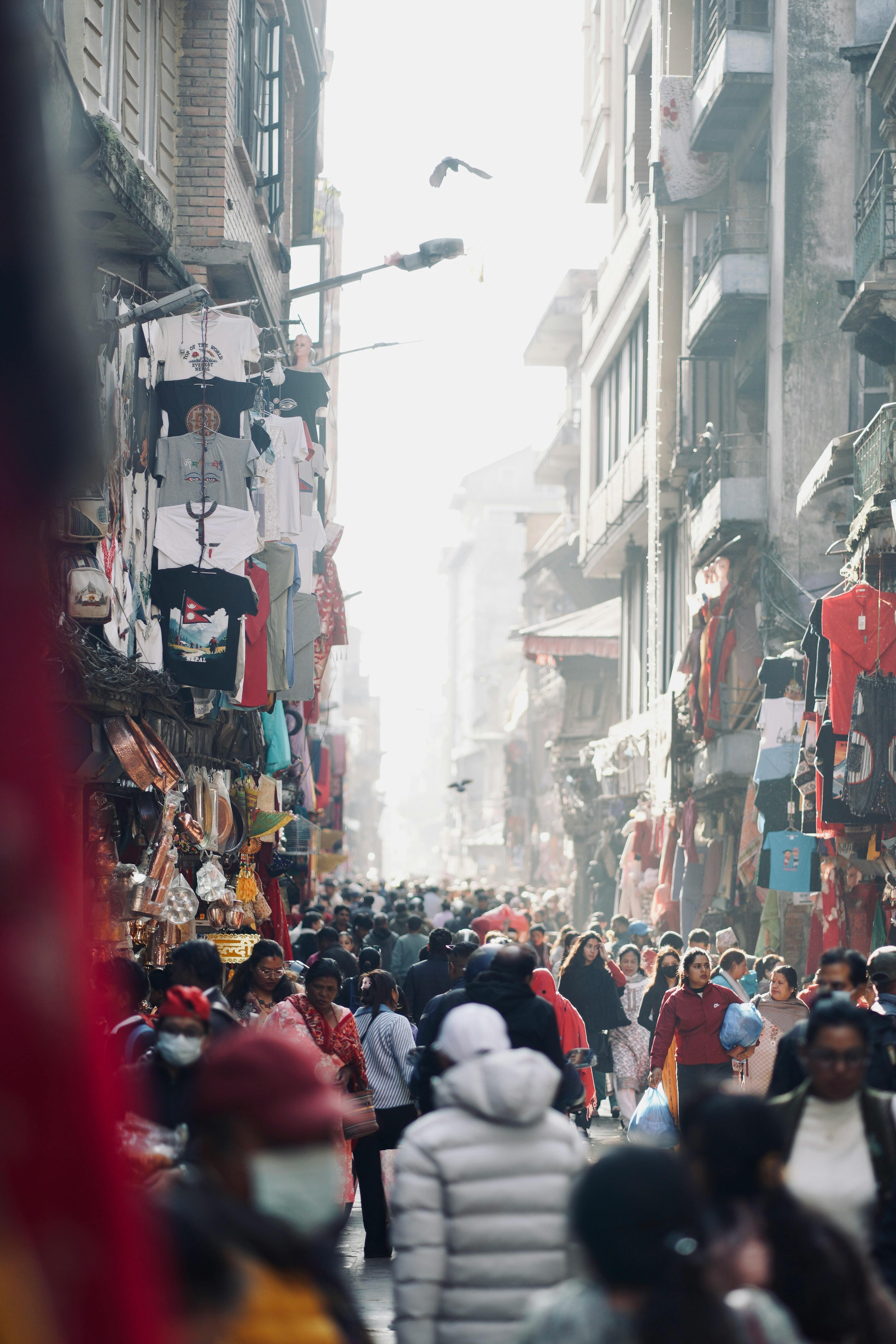
Core Details and Context
Spring break unrest is usually built from the same ingredients, and there is no mystery about them.
- Alcohol saturation: More drinks, worse judgment. Not exactly a shock.
- Overcrowding: Too many people in too small a space, and tempers rise.
- Thin police presence: If officers are spread too thin, small incidents snowball.
- Social media pressure: People perform for phones, not for common sense.
- Economic incentives: Bars and rentals profit from volume, while towns absorb the mess.
- Weak boundaries: When curfews, ID checks, and event limits are loose, disorder fills the gap.
Here’s the kicker: the worst incidents often come from a tiny slice of the crowd. But that tiny slice can dominate headlines, shape public memory, and spark political fights. Local leaders then scramble to sound tough without killing tourism, which is a difficult balancing act and often a clumsy one.
Cities are not helpless, though. They can do quite a bit, if they stop pretending a wish and a press release count as a strategy.
- Earlier curfews reduce late-night violence.
- Beach or district closures can stop crowd compression.
- Extra medical teams matter when intoxication spikes.
- Transit controls help limit people pouring into one hotspot.
- Fines and citations make bad behavior cost something.
- Clear messaging tells visitors what will and will not be tolerated.
What I find most irritating is the ritualized blame game. Politicians blame “outsiders,” business owners blame police, police blame staffing, and social media blames the kids. Everyone gets a piece of the story and misses the whole thing. Human beings, as any decent moral tradition reminds us, are capable of both joy and foolishness. The job of civic authority is not to pretend virtue into existence; it is to create conditions where vice has less room to spread.
There is also a class angle that gets ignored. Local workers clean up after the party, medics handle the aftermath, and residents wake up to broken glass. The people who profit rarely take the worst hit. That is worth saying, because public narratives love to celebrate chaos until it reaches their own doorstep.
For another angle on how public figures and institutions manage image under pressure, see our coverage of Reuters U.S. public safety reporting and this broader piece on AP public safety coverage.
Timeline and Step-by-Step
Spring break disorder does not erupt from nowhere. It usually follows a predictable chain, and once you see it, you can spot the warning signs early. I’ve watched similar cycles in nightlife districts, sports celebrations, and political rallies. Same movie, different costumes.
- Marketing starts early. Hotels, bars, and travel pages promote the area as a place to party. Cheap rooms and drink deals do the heavy lifting.
- Crowds arrive in waves. The first weekend looks manageable, then the second and third pack in more visitors. Streets feel tighter. Lines get longer. Patience gets shorter.
- Alcohol and heat mix badly. Add long hours outside, poor sleep, and too much drinking, and the odds of a blowup rise fast. No wizardry needed here.
- Minor incidents multiply. A shove becomes a scuffle. A scuffle becomes a fight. Someone films it. Then everyone thinks they need to join in.
- Police get stretched. Officers are forced into reaction mode, handling multiple problems in different places. That is when crowd confidence drops and panic can spread.
- Authorities tighten controls. Curfews, dispersal orders, liquor restrictions, or beach closures follow. By then, though, the worst headlines have already traveled farther than the truth.
- The cleanup begins. Cities restore order, but the financial and reputational damage lingers. Residents remember. Businesses remember. So do insurers.
- The cycle resets. Unless a city changes policy, staffing, and enforcement, the next season tends to look a lot like the last one.
The part that gets underreported is the decision-making before the mess. Once a crowd is already unruly, choices narrow fast. The smarter play is prevention, not dramatic press conferences after the fact. That goes for mayors, police chiefs, venue owners, and event promoters alike.
If you want examples of how cities and institutions deal with fast-moving public problems, it helps to compare them with other high-pressure stories, like this report on NBC News U.S. coverage and our related analysis of The Guardian’s U.S. public order reporting.
Comparison Table
Spring break chaos is often compared with other public disorder events, but the mix of causes and responses is different. Here’s a blunt comparison.
| Factor | Spring Break Chaos | Biggest Comparator: Major Sports Celebration |
|---|
| Primary trigger | Alcohol, crowds, vacation behavior | Game result, rival fans, emotional surge |
| Police challenge | Prolonged multi-day pressure | Shorter but often intense spike |
| Economic driver | Tourism, bars, rentals | Stadium traffic, bars, local events |
| Media framing | “Wild youth,” moral panic, party culture | Team loyalty, fan passion, occasional riots |
| Common risks | Fights, stampedes, vandalism, assaults | Public intoxication, clashes, property damage |
| Best response | Prevention, zoning, crowd limits, curfews | Transit management, post-game dispersal, alcohol control |
| Public tolerance | Often lower once residents are fed up | Often higher if tied to hometown pride |
The comparison matters because it proves a point most commentary misses: chaos is not unique to one group. It appears wherever large crowds, alcohol, weak planning, and performative behavior collide. Spring break just makes the pattern easier to see because the party is the product.
That also means the fix is not moral theater. Scolding visitors after the fact does little. Planning matters. So does enforcement. So does humility. A city that knows its limits and sets them clearly will usually do better than one that smiles for the camera and hopes for the best.
For more on related crowd and event safety issues, see CBS News public safety coverage and this USA Today national news hub.
Common Misconceptions and What to Know
The biggest myth is that all spring break chaos is random. It is not. It is patterned. People love to call it “a bad weekend” because that sounds cleaner than admitting the city misread the crowd. But bad weekends can be forecast.
Another myth is that stronger police presence alone fixes everything. It helps, sure, but it is not magic. If a city invites tens of thousands of people into a small area, sells alcohol everywhere, and leaves transit messy, officers are being asked to mop a floor while the tap is still running. That is not policing; it is damage control.
A third myth is that all the attention is exaggerated by media. Sometimes the footage is edited for maximum outrage. True enough. But I would caution against the lazy opposite view, which is to wave it all away as “just online hype.” When several agencies issue warnings, when medics report overload, and when residents change routines, there is usually real smoke under the drama.
Here’s what nobody tells you: the public often wants both freedom and order at once, and that tension is why these stories keep coming back. Cities want tourism dollars. Visitors want a no-rules escape. Residents want sleep, safety, and normal life. You cannot satisfy all three completely. A decent civic culture tries to protect the common good while still allowing celebration to remain celebration, not an excuse for ugliness.
The Catholic angle here is simple, even if some readers will miss it: every person has dignity, including the person making a fool of himself at 2 a.m. That dignity does not erase responsibility. Mercy and order are not enemies. We can refuse to treat people as monsters while still insisting that bad conduct has consequences. That is just common sense with a conscience.
Another misconception is that all enforcement is anti-fun. Nonsense. Most adults know the difference between a good time and a public nuisance. The troublemakers are usually not interested in harmless fun anyway. They want spectacle. They want permission. And when they do not get it, they complain that the rules ruined the party.
If you want a broader view of how public narrative gets distorted by outrage cycles, read this related coverage on AP News and our linked piece on Reuters for cleaner reporting.
Frequently Asked Questions
Why do spring break cities keep having the same problems?
Because the incentives do not change fast enough. Cities want tourist money, visitors want freedom, and weak enforcement lets the worst behavior spread. Round and round it goes.
Are the police really overwhelmed, or is that just media hype?
Sometimes headlines overstate it, but not always. When officers are outnumbered, incidents happen across multiple blocks, and medical calls climb, “overwhelmed” is a fair word. Not glamorous, but fair.
What do cities do to stop spring break violence?
They use curfews, alcohol restrictions, beach or street closures, extra patrols, surveillance, and crowd dispersal plans. The better cities also set rules before the crowd arrives.
Is spring break disorder only a young-person problem?
No. Young people are usually the face of it, but the system around them matters more. Venue owners, city officials, promoters, and local businesses all shape the outcome.
Final Thought
Spring break chaos is not a mystery, and it is not harmless just because some people laugh about it on camera. It is a public order problem with real costs, real victims, and real warnings that too many officials ignore until the damage is done. I’ve seen enough of these stories to know the pattern: reward recklessness, tolerate disorder, and you will get more of both.
But do not flatten people into a headline, either. That is the lazy part of modern outrage. Most travelers are not vandals. Most students are not looking for a brawl. People are messy, yes, but they are not faceless. A sane city remembers that and still draws a line.
The best civic response is not hysteria. It is discipline, preparation, and a plain refusal to pretend chaos is culture. That may not make for catchy promo copy, but it keeps streets usable, workers safe, and neighbors from feeling like strangers in their own town. And honestly, that should matter more than the next viral clip.