NYU students protested school merchandise. Roughly 20 students stripped to bras and underwear outside the Kimmel Center, demanding transparency about whether...
NYU Student Protest Over Sweatshop Labor Claims: What Happened and Why It Matters
NYU students protested school merchandise. Roughly 20 students stripped to bras and underwear outside the Kimmel Center, demanding transparency about whether university-branded apparel was made in sweatshops. The stunt drew attention fast, because money, image, and labor ethics are a messy mix, especially at an expensive private university.
Key Takeaways- About 20 NYU students staged a mostly-clad protest outside the Kimmel Center.
- Their demand was simple: disclose the factories behind NYU merch.
- The protest centered on alleged sweatshop labor and supply-chain secrecy.
- Public reaction split between support for labor transparency and criticism of the theatrics.
- The issue taps a bigger question: what do institutions owe workers, students, and the public?
What is the NYU merch protest?
The NYU student protest is a campus labor demonstration aimed at pressuring New York University to reveal where its branded apparel is made and whether those suppliers meet basic labor standards. The students chose a visual stunt—bras and underwear—to make the point impossible to ignore, and frankly, it worked.
I’ve covered enough public spectacles to know the trick: the clothes come off, the headlines go up, and suddenly a dry supply-chain fight becomes a morality play. That does not mean the protest is fake. It means the method is noisy. The message may still be legitimate.
What was the message? That university merch should not depend on hidden labor conditions, if those conditions include low wages, unsafe factories, or abusive production practices. That’s the core. Everything else—the embarrassment, the viral clips, the eye rolls—was theater around the central claim.
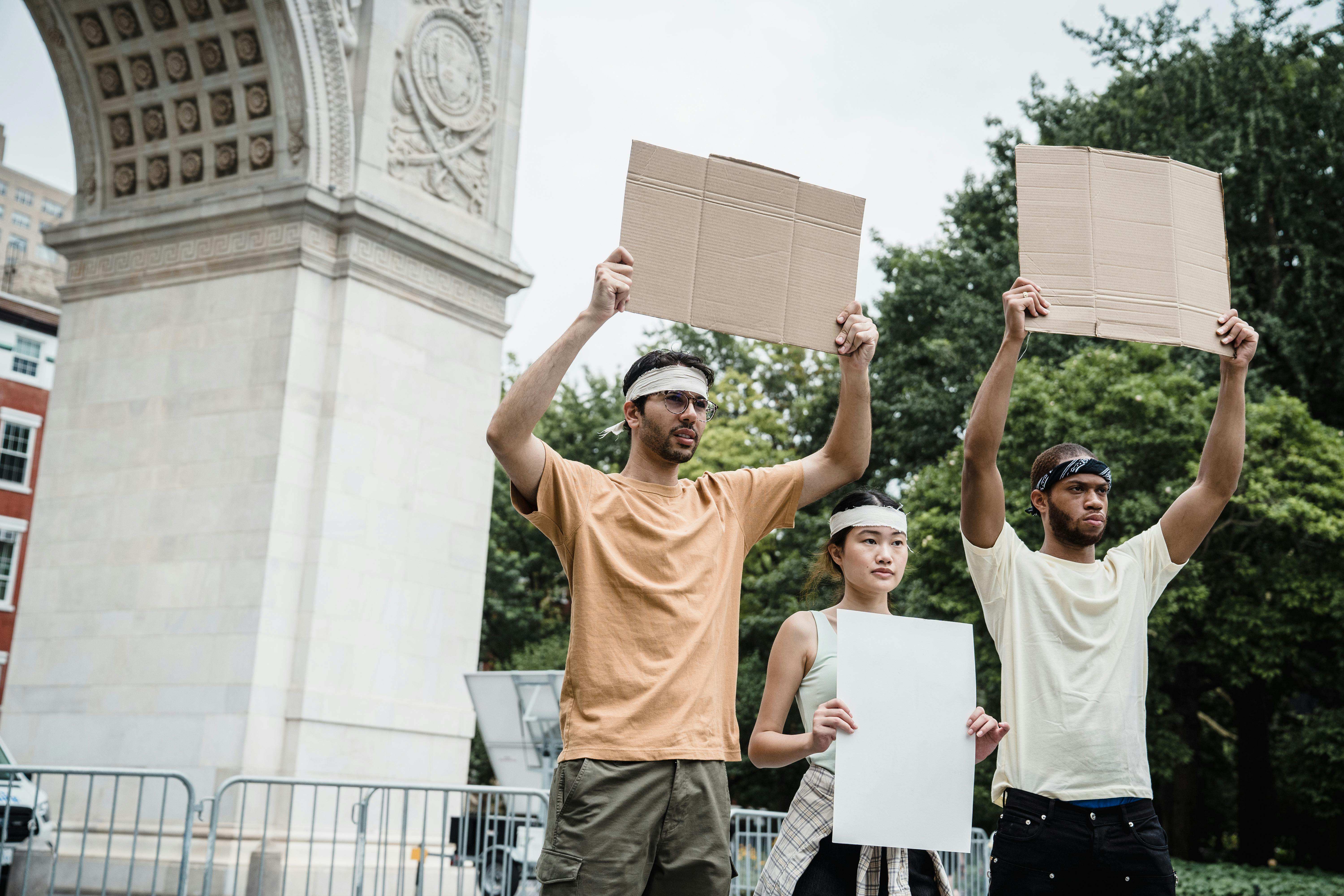
Most people hear “sweatshop” and picture a simple villain, but real life is uglier and more boring than that. Supply chains are layered. Contractors use subcontractors. Brand owners hide behind vendors. Students want names, receipts, and accountability. Institutions prefer polished statements and a vague promise to “review practices.”
Here’s the kicker: the issue is not just about T-shirts. It is about whether a university that charges top-dollar can ask students to believe in ethics while keeping its own sourcing secret. That gap between public image and private conduct is where outrage grows. And yes, people are messy, but dignity matters.
The ethics here are not abstract. Universities sell identity as much as education. School sweatshirts, caps, and tote bags are not just products; they are symbols. If those symbols are made by exploited workers, the image gets stained. A Catholic view of human dignity would say the worker is never just a cost line. That sounds simple. It should be.
There is also the business side. Universities, like brands, care about reputation. They do not like being forced to release vendor lists, because vendor lists can lead to more questions, and more questions can expose cheaper sourcing arrangements. Most PR spin tries to bury that fact under cheerful language. Nice try.
Relevant background sources on labor and student activism include coverage from major news and education outlets such as The New York Times, The Guardian, and Inside Higher Ed. Those outlets routinely show how campus activism connects to policy, labor ethics, and institutional accountability.
Why this protest got attention
- It was visual.
- It was blunt.
- It hit a wealthy university where image matters.
- It turned an ethics complaint into a public scene.
Let’s be real. If the students had held a quiet forum, almost nobody outside the campus bubble would have noticed. The skimpy clothing made it news. That does not settle the argument, but it explains the coverage.
Core Details and Context
The protest was not random. It grew out of a broader campus labor-rights push, and the choice of location mattered. The Kimmel Center is a high-visibility hub at NYU, which means the demonstration was designed for maximum foot traffic and maximum social-media spread. Smart? Maybe. Sensible? Depends on your taste for shock tactics.
I’ll be blunt. Most campus protests fail because they are either too vague or too polite. This one had a clear target: university merch supply chains. It also had a visual hook that reporters could not ignore. That is how modern activism works, for better or worse.
Some of the main facts and angles:
- Participants: Roughly 20 students took part.
- Setting: Outside the Kimmel Center at NYU.
- Dress code: Bras and underwear, meant as a symbolic protest.
- Demand: A full list of factories used to make NYU merchandise.
- Underlying accusation: The merch may have been produced under sweatshop-like conditions.
- Broader issue: Transparency in university purchasing and ethical sourcing.
The public reaction was predictable. Supporters called it principled and necessary. Critics called it performative and attention-seeking. Both can be true. That’s the part most pundits skip because nuance is boring and outrage sells better.
When I look at protests like this, I ask one question: what would a fair-minded person want to know? In this case, the answer is obvious. Who made the merch? Under what conditions? Was the labor legal, safe, and fairly paid? If the university refuses to answer, suspicion hardens fast.

The ethics here are not abstract. Universities sell identity as much as education. School sweatshirts, caps, and tote bags are not just products; they are symbols. If those symbols are made by exploited workers, the image gets stained. A Catholic view of human dignity would say the worker is never just a cost line. That sounds simple. It should be.
There is also the business side. Universities, like brands, care about reputation. They do not like being forced to release vendor lists, because vendor lists can lead to more questions, and more questions can expose cheaper sourcing arrangements. Most PR spin tries to bury that fact under cheerful language. Nice try.
Relevant background sources on labor and student activism include coverage from major news and education outlets such as The New York Times, The Guardian, and Inside Higher Ed. Those outlets routinely show how campus activism connects to policy, labor ethics, and institutional accountability.
Why this protest got attention
- It was visual.
- It was blunt.
- It hit a wealthy university where image matters.
- It turned an ethics complaint into a public scene.
Let’s be real. If the students had held a quiet forum, almost nobody outside the campus bubble would have noticed. The skimpy clothing made it news. That does not settle the argument, but it explains the coverage.
Timeline and Step-by-Step
The sequence matters because stories like this often get flattened into a one-day headline. They usually build for weeks, sometimes months, before the public sees the spectacle.
- Complaint forms inside the campus.
Students and labor-minded organizers raise concerns about the sourcing of NYU merchandise, asking for transparency about suppliers and factories. - Pressure starts to build.
Campus activists push for answers, while administrators, as administrators do, likely weigh legal exposure, vendor contracts, and the risk of setting a precedent. - The protest is planned.
Rather than a standard rally, students choose a theatrical demonstration outside the Kimmel Center. The goal is attention, and not the gentle sort. - The action happens.
Roughly 20 students appear in bras and underwear, making the labor issue impossible to miss for students, staff, and anyone with a phone. - Media coverage follows.
The visual element drives headlines and clips, while the underlying question—who made the merch—gets pulled into the open. - Institutional response becomes the next battleground.
The university must decide whether to release factory information, issue a statement, or try the classic corporate move: say as little as possible and hope the heat fades.
I’ve seen this pattern before. Outrage erupts, cameras swarm, and then the real fight begins: document requests, vendor scrutiny, and messy meetings no one films. That’s where truth usually sits.
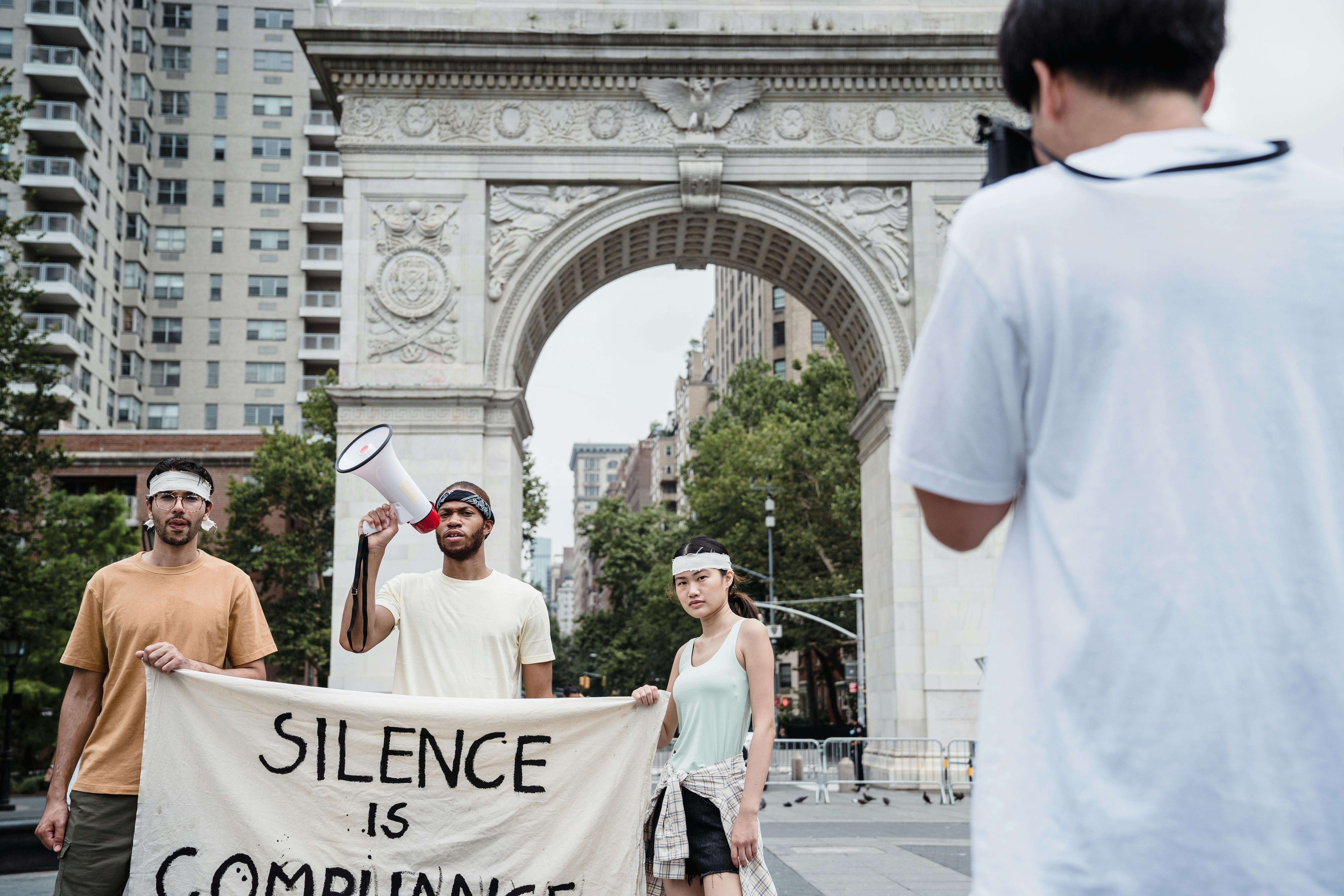
The step-by-step reality also shows why the protest landed. Each move escalated visibility. Each visible detail sharpened the moral contrast between a high-priced school and the workers behind its branded goods. The students were not just protesting a shirt. They were protesting secrecy.
For broader context on how institutions handle scandal and image management, see related coverage from BBC News and Associated Press. Those outlets are useful when the smoke clears and everyone wants the facts instead of the slogan.
Comparison Table
| Factor | NYU Skivvies Protest | Typical Campus Labor Petition |
|---|
| Visibility | Very high | Moderate |
| Tone | Provocative, theatrical | Formal, restrained |
| Main demand | Reveal factory list for merch | Often broader labor reforms |
| Media appeal | Strong | Mixed |
| Risk of backlash | High | Lower |
| Chance of viral spread | High | Lower |
| Moral framing | Human dignity, transparency | Policy, fairness, procedure |
| Institutional pressure | Immediate | Slow burn |
The comparison is straightforward. The NYU stunt was built for headlines. The petition model is built for paperwork. Which one works better? Depends on the goal. If you want attention, the skivvies win. If you want durable policy change, the paper trail may last longer.
Common Misconceptions and What to Know
The biggest mistake is assuming all shock protests are meaningless. That is lazy thinking. Another mistake is assuming all dramatic protests are automatically righteous. Also lazy.
Here’s the truth: spectacle is a tool, not a verdict.
A few myths need clearing up:
- Myth 1: The protest proves abuse happened.
No. It shows students believe there is enough concern to demand answers. Allegations are not proof. - Myth 2: The protest is unserious because of the clothing.
Not necessarily. Symbolic dress is a long tradition in activism. The question is whether the tactic illuminates the issue. - Myth 3: Universities are transparent by default.
Not at all. Institutions often reveal only what they must, when they must. - Myth 4: Media attention settles the issue.
It usually does the opposite. It raises the stakes and forces everyone to take a side before all facts are in.
I’m skeptical of any neat narrative that turns students into saints or clowns. People are more mixed than that. A decent moral instinct, the kind older wisdom insists on, is to judge actions honestly while remembering that persons are bigger than their worst photo.
There is also a practical question nobody loves: if the university does disclose factory information, what then? Will students accept it? Will critics find a new angle? Will the story move from outrage to auditing? That is where real accountability begins, and where press releases often fall apart.
For readers interested in similar campus and public-image disputes, related coverage often appears alongside stories in the categories of CelebrityNews, Politicians, Entertainment, Business, and Legal. The reason is simple: public figures and institutions share the same weak spot—reputation depends on trust, and trust collapses when transparency looks selective.
Frequently Asked Questions
Q1: What were NYU students protesting?
They were protesting alleged sweatshop labor tied to university-branded merchandise and demanding a full list of factories involved in production.
Q2: Why did they protest in bras and underwear?
It was a symbolic tactic meant to create attention and dramatize the idea that students should not have to ignore ethical concerns about labor conditions.
Q3: Was the protest peaceful?
Based on available coverage, yes. It was a peaceful demonstration, though deliberately provocative.
Q4: Why does merch sourcing matter?
Because branded products reflect institutional values, and if the labor behind them is exploitative, the institution’s public image and ethical claims come under pressure.
Final Thought
This story is not really about underwear. It is about power, money, and the old habit of hiding uncomfortable work behind clean branding. That happens in universities, corporations, and politics alike. The students at NYU used a crude spotlight, but sometimes a crude spotlight is the only one bright enough to expose what polite language keeps in the dark.
The smarter question is not whether the protest looked silly. It did, to some eyes. The smarter question is whether the university can show its work. If the merch was made fairly, prove it. If it was not, admit that people who sew, cut, and pack those items are not props in a campus brand campaign. They are human beings, and that ought to matter more than the logo on the chest.