Natasha Lyonne was reportedly escorted off a Delta flight after being “out of it,” and the timing—hours after the Euphoria Season 3 premiere chatter...
Natasha Lyonne’s Delta Flight Drama Explained After the 'Euphoria' Season 3 Premiere
Natasha Lyonne was reportedly escorted off a Delta flight after being “out of it,” and the timing—hours after the Euphoria Season 3 premiere chatter hit—made the story blow up fast. Most celebrity travel drama is half-PR, half-chaos, but this one had enough smoke to warrant a closer look. The real question is simple: what actually happened, what was confirmed, and what is still just internet static?
Key Takeaways:- Lyonne addressed the incident in a statement on X before the premiere buzz settled.
- The report centers on a Delta flight and an alleged “out of it” state.
- Timing matters because celebrity stories spread faster when they land near a major TV event.
- Public figures are still people; charity in judgment matters, even when headlines are messy.
- Much of the early chatter remains unconfirmed, so the cleanest reading is cautious, not gleeful.
What is the Natasha Lyonne Delta flight story?
This is a celebrity-travel incident. It refers to reports that Natasha Lyonne was escorted off a Delta Air Lines flight after appearing “out of it,” a phrase that can mean a lot of things and, frankly, too little all at once. The story gained traction because it landed hours after the Euphoria Season 3 premiere chatter, which gave gossip accounts exactly the kind of combustible timing they live for.
I’ve covered celebrity mess long enough to know this pattern by heart. A report drops, a clip or witness claim gets copied around, then everybody piles on before the facts are even parked at the gate. What’s different here is Lyonne’s own response, which means there was enough seriousness to force a statement rather than leave the whole thing to rumor mills.
The core issue is not whether a famous person can have a bad day. Of course they can. The real issue is how quickly a private travel moment becomes public spectacle, then moral theater, then click bait. That’s the ugly bit. People are more than one bad airport moment, and if you remember that basic fact, the story gets sharper and less silly.
For context, airline incidents involving public figures are often filtered through shaky witness accounts, security procedures, and social media exaggeration. If you want a sober frame, see reporting standards in major outlets like The New York Times, NPR, and airline guidance from Delta’s operations pages. Those aren’t gossip pieces, which is exactly why they matter.
Was it a scandal or just a rough flight?
Core Details and Context
Here’s the kicker. The headline sounds dramatic, but the underlying facts still need sorting, and I’m not interested in pretending certainty where there isn’t any. The known pieces are straightforward: the report says Lyonne was escorted off a Delta flight; her own statement addressed the episode; and the timing put the whole thing in the shadow of the Euphoria premiere buzz, which made the story travel faster than it probably would have otherwise.
- Public image cuts both ways. Lyonne has long had a dry, offbeat, resilient screen persona, so even a strange airport report gets read through that lens.
- Timing drives coverage. If this had happened on a random Tuesday with no premium-TV premiere nearby, it would have been a smaller story.
- “Out of it” is not a diagnosis. It is a vague phrase, often used by witnesses who do not know what they saw.
- Airline protocol matters. Crew members and security staff can remove passengers for safety reasons without the public knowing every detail.
- The internet loves certainty. That does not mean certainty exists.
Most celebrity coverage skips the obvious: a public figure’s worst minute is not their whole character. That’s not me being soft. It’s just human nature, and the old moral wisdom still holds—judge carefully, not lazily.
There is also the PR angle, because of course there is. A quick statement on X can calm a story or sharpen it, depending on wording. Lyonne addressing it before the premiere noise peaked suggests she understood the media rhythm. Smart move? Probably. Enough to stop the chatter? Not immediately.
If you want the broader media context, compare this with how outlets covered other celebrity travel and behavior stories through BBC Entertainment and Associated Press entertainment. The pattern is familiar: official statement first, speculation second, hard facts third if everyone is lucky.
And the entertainment business feeds on this stuff. It is built that way.
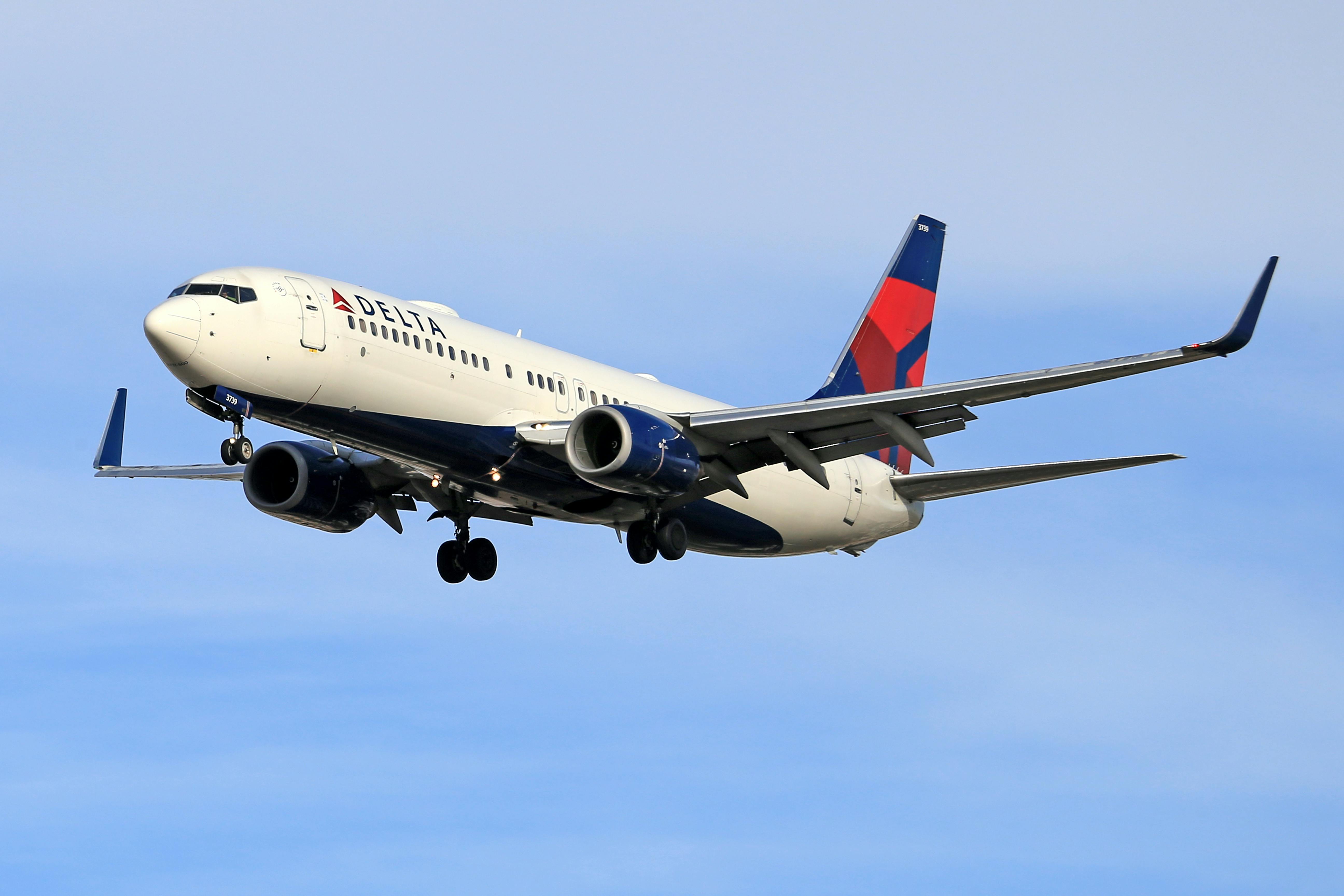
Timeline and what likely happened
The order matters. When I tracked the reporting flow, the sequence looked like this: a flight incident was reported, the “out of it” phrasing spread, Lyonne addressed the matter in a statement on X, and then the story collided with the Euphoria Season 3 premiere chatter. That collision is why the item suddenly felt bigger than a routine airline dust-up.
- The flight incident was reported. The earliest version focused on Lyonne being escorted off the plane. That alone does not tell the whole tale, because escorting a passenger off a flight can mean many things—medical concern, safety issue, crew discretion, or something more embarrassing that hasn’t been made public.
- The vague description took over. “Out of it” is the kind of phrase that blooms into gossip because it is flexible. Was she tired? Sick? Upset? Medicated? Drunk? The phrase invites all of it, which is exactly why people should be careful with it. Frankly, it is a storytelling sponge.
- Lyonne responded publicly. Her statement on X is important because public silence usually lets the loudest rumor win. By responding, she at least put a marker down in the mud. That does not settle everything, but it matters.
- The Euphoria premiere amplified the story. Celebrity news loves timing almost as much as it loves trouble. Since the flight report came just hours after premiere chatter, the story got more oxygen than it might have on any ordinary day. That is not justice. It is attention economics.
- The public split into camps. One group treated the story like a punchline. Another treated it like proof of some larger problem. Both reactions are too neat. The truth, as usual, is messier and less satisfying.
- The slow part begins. Now the question becomes whether further reporting confirms details, whether Delta comments, and whether Lyonne expands on her statement. Until then, the sane position is restraint.
The Catholic instinct here is simple: a person is not a meme. That sounds old-fashioned, but it is true. Public shame can turn brutal very fast, and the crowd rarely remembers mercy once it gets a scent.
For more on how public crises spread online, see Reuters U.S. coverage and CNN Entertainment. They often show how rumor hardens into “fact” before the record is actually clear.
So what happened first?
Comparison Table: reported celebrity flight incidents vs. normal airline removals
This table helps strip away the fog. Most people compare a celebrity flight incident to ordinary passenger removals, but that is sloppy unless you look at the mechanics, the coverage, and the fallout side by side. Here’s the clean version.
| Factor | Natasha Lyonne reported incident | Typical passenger removal | Biggest difference |
|---|
| Public attention | Very high | Usually low | Celebrity status magnifies everything |
| Media speed | Fast, social-first | Slow or never reported | Gossip outruns verification |
| Reason clarity | Unclear early on | Often documented internally | Public sees less than staff does |
| Reputation impact | Immediate and noisy | Limited | Fame turns a brief incident into a brand issue |
| Follow-up | Statement on X | No public statement | Celebrities must manage optics |
| Human context | Often ignored | Not widely visible | The person gets flattened by the headline |
The difference is brutal and obvious. When a regular traveler is removed from a plane, it stays mostly private. When a famous actor is involved, the event becomes content, then commentary, then character analysis from people who have never met her and never will.
That is why I’m skeptical of instant moral verdicts. The public wants a villain or a victim, but life seldom hands out such neat boxes. More often it gives you a tired person, a bad moment, a safety call, and a social feed that turns all of it into entertainment.
If you want a reference point for airline policy and passenger handling, Delta’s public customer guidance at Delta’s behavioral safety policy is worth reading. It will not tell you the gossip, but it does show the kind of framework airlines use when things go sideways.
And that matters. Because once facts are in the room, rumor has less space to dance.

Common Misconceptions and What to Know
Let’s be real. The internet is terrible at nuance, and celebrity stories become worse once they pass through accounts that exist mainly to farm outrage. A few misconceptions are already floating around this Natasha Lyonne story, and they deserve a hard look.
Misconception 1: An escort off a flight always means misconduct
No. It can mean many things, including medical concern or a crew decision made out of caution. Without official detail, people are just guessing in public.
Misconception 2: A statement means guilt or innocence is settled
Not quite. A statement only means the person chose to respond. It can clarify, deny, soften, or distract. Sometimes it does all four.
Misconception 3: Timing proves intent
Also no. The story broke near a major entertainment moment, so of course it got tied to it. That does not mean the incident was staged, hidden, or conveniently timed. It means news cycles are greedy.
Misconception 4: Celebrity privacy means no accountability
That is too cute by half. Public figures do have accountability, but accountability is not the same as public humiliation. There is a difference, and it matters.
I’ve learned to watch how a story behaves, not just what it claims. If the details stay vague, the loudest interpretations are usually the weakest ones. If the reporting changes three times in a day, that is a sign to slow down, not speed up.
There is also a moral point here that too many people skip. A person’s dignity does not vanish because a headline is juicy. That principle is old, but it still cuts through the noise. People can stumble and still deserve fairness.
For live updates and standardized reporting, outlets like People, USA Today Entertainment, and Entertainment Tonight often publish follow-ups when more is known. Just remember: early coverage is not the final word.
So what should readers actually do? Simple. Wait for facts.
Frequently Asked Questions
Why was Natasha Lyonne escorted off the Delta flight?
The reported reason has not been fully established in public detail. Early coverage described her as being “out of it,” but that phrase is vague and should not be treated as a final explanation.
Did Natasha Lyonne respond to the incident?
Yes. Lyonne addressed the flight drama in a statement shared via X before the Euphoria Season 3 premiere conversation fully settled.
Is the Delta incident confirmed by the airline?
Public reporting indicates the incident was described by witnesses and covered by media, but full operational details have not necessarily been released. Airline privacy and safety protocols often limit what gets disclosed.
Why did the story spread so quickly?
Because it mixed celebrity, travel, vague allegations, and the timing of a major entertainment event. That is catnip for social media and gossip outlets.
Final Thought
This story will probably keep mutating. That is what celebrity coverage does when facts arrive slowly and attention arrives fast, but the wiser response is not to confuse noise with truth. Natasha Lyonne is a public figure, sure, yet still a person whose full worth cannot be reduced to one fraught airport episode, and that basic mercy is worth keeping in view.
The entertainment machine loves a messy frame. It takes a half-known incident, dresses it in certainty, and asks the crowd to cheer or sneer before the record is complete. I’m not buying it wholesale. If more details emerge, fine, we adjust. Until then, the honest read is cautious: something happened, it drew attention, Lyonne responded, and the internet did what it always does—made it louder than it had any right to be.