Natasha Lyonne was reportedly removed from a Delta flight, and that kind of story spreads fast because celebrity trouble always does. But the useful question...
Natasha Lyonne Removed From Delta Flight After Euphoria Premiere: What Actually Happened?
Natasha Lyonne was reportedly removed from a Delta flight, and that kind of story spreads fast because celebrity trouble always does. But the useful question is not whether the headline sounds spicy. It is what is known, what is not, and why the internet loves turning a brief airport incident into a full-blown morality play.
Key Takeaways- The story centers on Natasha Lyonne and a reported Delta flight removal shortly after a public event.
- Much of the online chatter is louder than the confirmed facts.
- Celebrity incidents at airports often become bigger in the retelling than in the original event.
- Public figures are still people, and charity matters even when the gossip mill is grinding away.
What is the story here?
It is a small burst of celebrity news that sits at the intersection of public image, travel drama, and media coverage, where a brief airport dispute can look like a scandal even when the record is thin. I have covered enough celebrity messes to know this much: the first version online is usually the loudest, not the truest. Here’s the kicker. People do not merely react to facts; they react to the idea of a famous person getting checked by ordinary rules. That is why a report about Natasha Lyonne being “removed” from a Delta flight drew attention so quickly.
The important thing is to separate the human moment from the theater around it. A flight removal can mean several things: a seating issue, a crew decision, a policy problem, a gate dispute, or a simple misunderstanding that escalated. Most readers want a clean villain and a tidy explanation. The real world rarely delivers that. Frankly, it is usually messier, more mundane, and less cinematic than the online crowd pretends.
Natasha Lyonne’s public identity makes the story travel farther than it otherwise would. She is a recognizable actor with a distinctive screen presence, a strong fan base, and a long reputation for being witty, sharp, and unvarnished. That means any airport incident gets framed not just as travel news, but as character analysis. That is lazy, and often unfair. A person is not reduced to a checkpoint moment or an airline dispute. Catholic common sense says as much: dignity does not vanish because somebody had a bad day in a terminal.
So what do we actually know? We know the report landed because it involved a celebrity, a commercial airline, and timing that made it irresistible to gossip outlets. We know the internet filled in blanks with certainty it did not earn. We know that, until the relevant parties give a clear account, the wise move is to treat the story as an incident, not a verdict.
Core Details and Context
The core details matter because celebrity airport stories are often built on scraps. When I track these things, I start with the basics: who said what, when it was said, and whether there is any direct confirmation from the airline or the passenger involved. Without that, the tale becomes a rumor with good lighting. Not exactly journalism, is it?
- Natasha Lyonne is the central figure in the report, which is why the story got traction so fast.
- The airline named in the headline, Delta, adds corporate scrutiny, because airlines are public-facing, rule-heavy, and quick to become part of a narrative.
- The timing, coming after a high-profile entertainment event, made the story easier to share and harder to verify calmly.
- Most versions of this kind of story depend on social posts, eyewitness claims, or secondhand reporting rather than a full incident statement.
- The biggest risk is that “removed from a flight” gets read as something criminal or explosive when it may have been an ordinary operational decision.
That last point is where a lot of readers get played. The phrase sounds dramatic, so the crowd supplies its own outrage. Maybe the passenger was disruptive. Maybe the seat assignment went sideways. Maybe there was confusion over conduct. Or maybe the airline simply decided to deplane someone for a policy reason. Those distinctions are not small. They are the whole ballgame.
There is also the broader celebrity angle. Natasha Lyonne has built a public persona that feels candid and a little rough-edged, which is part of her appeal. But public personality is not the same thing as private conduct. People online love to flatten a person into a vibe, then act shocked when reality is more complicated. Human beings are mixed bags. That is not cynicism; that is anthropology with less perfume.
And yes, the media business feeds on this. A headline with a famous name and an airline is click bait by design. I am not saying every outlet is dishonest. I am saying the incentives are obvious. If the information is incomplete, the rush to publish can still outrun the facts. Most readers sense that, even if they do not always admit it.
For context, celebrity flight incidents have become a reliable internet genre. They combine class resentment, curiosity, and the fantasy that fame should shield someone from boredom but not from embarrassment. That contradiction sells. It also distorts reality. When a public figure is involved, the crowd often treats the story like a referendum on their whole character. That is too much weight for a terminal incident to carry.
For broader celebrity background and how public personas get inflated by small incidents, see the analysis in BBC Entertainment News, which regularly shows how fast entertainment stories accelerate once a recognizable name enters the frame. You can also compare how quickly airport drama becomes national chatter with coverage in CNN Entertainment. It is the same machinery every time: a fragment, then a flood.
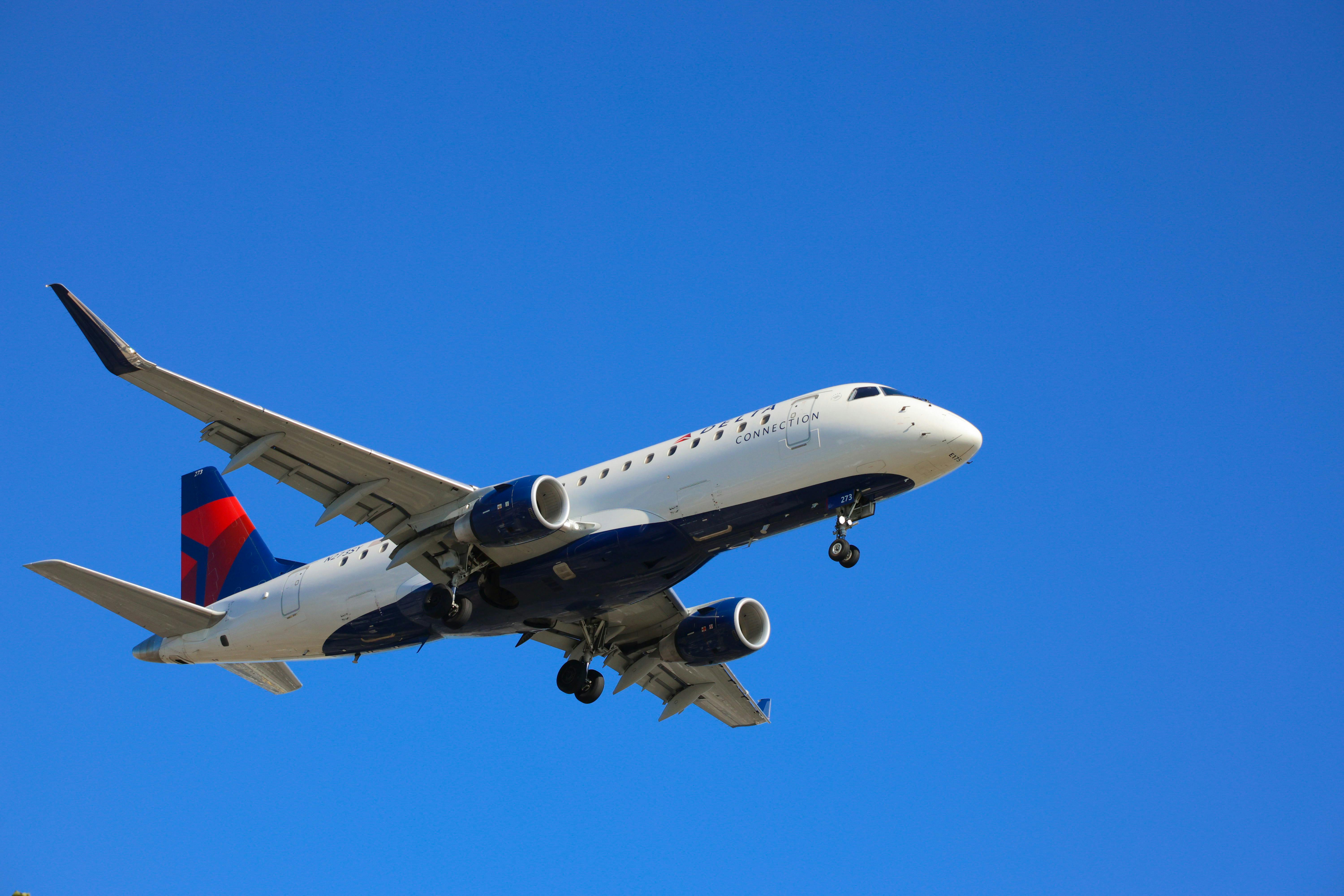
One more thing. The humane view is also the smarter view. It is easy to assume the worst about a famous person because fame itself can feel like an invitation to mockery. But charity in judgment is not weakness; it is precision. We should not pretend innocence where there is none, but we also should not invent guilt just because the headline is amusing. That is how the public gets dumbed down by spectacle.
Timeline / Step-by-Step
Here is the sequence as best as it can be responsibly framed. Anything more certain than this is probably overcooked. Let’s be real.
- Public appearance: Natasha Lyonne attends a high-profile entertainment event, which ensures there are cameras, posts, and a lot of people primed to notice what happens next.
- Travel movement: She later boards or attempts to board a Delta flight, placing her in the ordinary but high-friction world of airport logistics.
- Reported incident: A report emerges that she was removed from the flight, though the exact reason is not clear from the headline alone.
- Online spread: The story moves rapidly through entertainment accounts, gossip pages, and social media reposts, each adding heat and often subtracting nuance.
- Speculation phase: The public starts guessing about behavior, alcohol, crew conflict, or policy issues, even when there is no confirmation for those guesses.
- Public reaction: Fans defend her, skeptics pile on, and everyone pretends they have a firmer grasp on the facts than they really do.
I have seen this pattern enough times to trust the pattern more than the noise. The first account is rarely the full account. What actually happened may be boring, irritating, or administrative. That is not a cop-out. That is how many airline incidents work. A lot of drama is just procedure wearing a fake mustache.
If an airline decides a passenger should not continue on a flight, there can be multiple reasons, and each reason carries different implications. Safety issues are one thing. Conduct issues are another. Miscommunication is another still. The headline rarely clarifies that because clarity reduces clicks. Annoying, but true.
When I look at stories like this, I ask three questions. Who has direct knowledge? What documentation exists? What parts are assumptions? Those questions strip away the glitter and expose the bones. Here, the bones appear to be a report of a removal and a lot of reaction layered on top. That is all, at least for now.
For context on how airlines handle disruptions and removals, the Federal Aviation Administration explains passenger and operational rules in public guidance, including safety and compliance issues at FAA Fly Right behavior guidance. It is dry reading, but dry is good when the alternative is rumor. The same goes for airline policy updates from Delta’s Conditions of Carriage, which show how much of air travel runs on terms most people never read until something goes sideways.

There is also a moral angle here, and it is not preachy to say so. People are more than their worst public moment. That is not a soft take; it is a sane one. A society that forgets that tends to become cruel very quickly, and cruelty rarely improves the truth. It just makes the gossip louder.
Comparison Table
Here is the comparison that matters. The celebrity-flight story and the more ordinary airline incident may look similar from a distance, but they are not the same thing. The headline wants the first version. Reality often gives the second.
| Aspect | Celebrity Flight Removal Story | Typical Non-Celebrity Airline Incident |
|---|
| Public attention | Very high, instant spread across gossip and entertainment outlets | Usually limited to the passenger and airline staff |
| Verification | Often based on social media, eyewitness claims, or secondary reporting | Handled internally, with little public reporting |
| Media framing | Personal, dramatic, and loaded with character assumptions | Operational, procedural, and usually uneventful |
| Risk of distortion | High, because the celebrity name drives speculation | Lower, because there is less incentive to exaggerate |
| Public takeaway | People assume the story says something about the celebrity’s character | People see it as a travel hassle and move on |
The table shows the problem plainly. Celebrity turns a procedural event into a moral drama. That is the trade. Fame buys attention, but attention is a harsh auditor. Sometimes it overstates, sometimes it undercuts, and sometimes it just gets things wrong.
For a parallel example of how fame reshapes a routine event into a larger narrative, see coverage from NBC News Pop Culture. The machinery is similar: a recognizable face, a quick incident, then a heap of commentary. Here’s the odd part. The commentary often says more about the audience than about the person in the headline.
Most celebrity coverage follows this script because the audience wants texture, not restraint. I get it. People enjoy stories. But stories need guardrails. Otherwise you end up with a half-truth dressed up as a revelation. That is bad journalism and worse habits.
Common Misconceptions and What to Know
The biggest misconception is that a flight removal automatically means some dramatic meltdown. Not necessarily. People hear “removed” and think chaos, when sometimes it is administrative, procedural, or based on a misunderstanding. The internet loves the loud version. The loud version is not always the true one.
- Misconception: A removal proves misconduct.
Reality: It may reflect an airline’s internal decision, not a final moral judgment. - Misconception: A celebrity headline is enough to know what happened.
Reality: Headlines compress events and often leave out context. - Misconception: Public figures should be treated like characters in a show.
Reality: They are people with ordinary flaws, pressures, and private frustrations. - Misconception: Every viral post is evidence.
Reality: Viral is not the same thing as verified.
There is also a subtler mistake: thinking that because someone is famous, every inconvenience becomes fair game for sneering. That is a bad habit. You do not need to excuse bad behavior to avoid enjoying schadenfreude. You can simply wait for facts. Amazing concept, I know.
What else should readers know? The setting matters. Airports are tense places even on a good day. Delays, rules, cramped space, tired people, and poor communication can turn a small friction point into a memorable mess. That happens to ordinary travelers all the time; celebrities just get filmed. Fame is not immunity. It is a spotlight, and spotlights are unforgiving.
For readers who want a better sense of how entertainment stories are shaped by reporting pipelines, the Reuters Lifestyle desk is often a useful baseline because it tends to separate fact from fireworks. Likewise, the entertainment pages at Associated Press Entertainment are often cleaner than the more feverish outlets. Clean is good. Clean is rare.
The deepest mistake, though, is forgetting that public judgment is not the same as justice. A scandal can be entertaining and still be incomplete. A headline can be plausible and still be thin. And a famous person can be exasperating without being reduced to the worst interpretation of one airport moment. That is the sort of restraint older moral traditions understood better than our timeline does.
Frequently Asked Questions
Was Natasha Lyonne actually removed from a Delta flight?
The report says she was removed, but the important point is that the public headline does not explain the full context. Until there is a clear statement from the parties involved, the safest reading is that an incident occurred and details remain limited.
Why did the story get so much attention?
Because it combines a recognizable celebrity, an airline, and a timing window that makes gossip easy to spread. Fame turns small events into oversized conversation pieces. That is the ugly little engine behind much of celebrity coverage.
Does “removed from a flight” mean she broke a rule?
Not necessarily. It could, but it could also reflect a seating issue, policy decision, or a crew judgment. People rush to conclusions because ambiguity is boring, and the internet hates boring.
How should readers handle stories like this?
With patience and a little discipline. Check for direct sourcing, avoid turning rumor into certainty, and remember that public figures are still human beings. That sounds simple because it is simple.
For further reading on celebrity reporting standards and fact-first coverage, a useful sample from mainstream outlets can be found at Vanity Fair Style for tone and at The Guardian Celebrities for context and follow-up. Neither outlet is perfect, of course. Nothing is. But better reporting still beats rumor dressed up as certainty.
Final Thought
The whole story is a reminder that public life magnifies small events until they look fated. That is the trick, and it works because people are hungry for drama and reluctant to wait for substance. Natasha Lyonne may be famous, but fame does not strip away personhood, and a single travel incident does not define anyone’s character. That should be obvious, but obvious things often get trampled when the crowd is eager.
I’ve covered enough celebrity noise to know that the facts usually arrive late, after the hot takes have already done their damage. So here is the better habit: keep your skepticism, keep your sense of humor, and keep a little mercy in the mix. There is nothing weak about refusing to pile on before the record is clear. In fact, it is one of the few civilized reflexes left in a very loud media market.
And if the final explanation turns out to be ordinary, which it often does, then the only real scandal is how quickly everyone wanted it to be something uglier. That says less about Natasha Lyonne than it does about the appetite of the audience. Frankly, that is the part worth watching.