Meryl Streep’s press wardrobe for <em>The Devil Wears Prada 2</em> is not just clothes. It is controlled image-making, and Hollywood knows it. Celebrity...
Meryl Streep’s ‘Groundbreaking’ Press Wardrobe for The Devil Wears Prada 2: Why the Fashion Circus Matters
Meryl Streep’s press wardrobe for The Devil Wears Prada 2 is not just clothes. It is controlled image-making, and Hollywood knows it. Celebrity stylist Micaela Erlanger reportedly lined up no fewer than 25 designer looks for the film’s global marketing push, which tells you the studio wants every photo to do a job. Frankly, this is how modern fame works.
When I tracked celebrity tours like this, one thing kept showing up: the outfit is the message, the interview is the garnish, and the public gets fed a neat little story about glamour, reinvention, and power. But there is usually more going on under the hemline. The real question is not whether the looks are expensive. It is whether they are saying something new, or just reheating an old headline in a prettier coat. Most celebrity news is PR spin, and this one has the fingerprints all over it.
That said, Streep is not some random marquee name. She is Meryl Streep, and her public image has always rested on something rare in celebrity culture: authority without obvious desperation. That matters. In a culture that often mistakes noise for merit, her wardrobe choices can look like a sly argument for craft, discipline, and the dignity of presentation. People are more than their image, of course, but image still speaks loudly in public life. And in Hollywood, it often screams.
Key Takeaways
- Meryl Streep’s press wardrobe is part fashion story, part marketing strategy.
- Micaela Erlanger reportedly prepared about 25 designer looks for the tour.
- The campaign leans on The Devil Wears Prada legacy, where clothes are never just clothes.
- Studio fashion tours are meant to drive attention, social sharing, and box-office curiosity.
- The bigger story is how celebrity, image, and commercial pressure keep feeding each other.
What is Meryl Streep’s The Devil Wears Prada 2 press wardrobe?
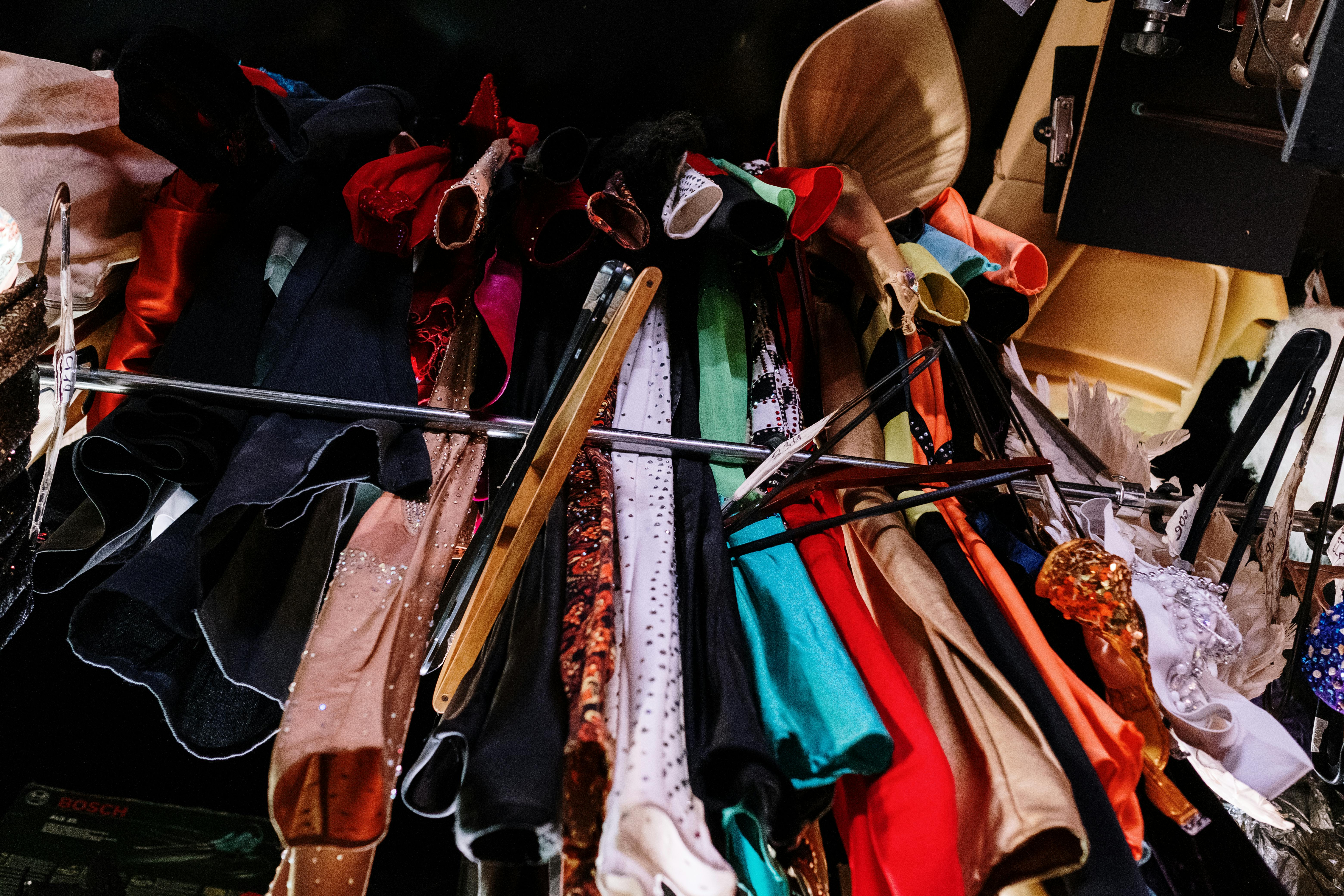
It is a publicity machine with sleeves. The wardrobe tied to The Devil Wears Prada 2 is being treated like a feature in its own right, because the original film turned high fashion into a character, not just a costume department afterthought. Now the sequel’s press run appears built to extend that idea beyond the screen and into every airport, photocall, and interview stop.
According to reports, stylist Micaela Erlanger assembled as many as 25 different designer outfits for Streep’s appearances. That is not casual dressing. That is strategic branding. The message is plain enough: the movie wants its marketing to feel as polished and witty as the original film’s fashion-world satire. And yes, it is a bit theatrical. That is the point.
Here’s the kicker. A wardrobe like this does not just flatter the star; it also flatters the audience’s memory of the franchise. The first Devil Wears Prada became a cultural shorthand for office politics, image warfare, and the uneasy truce between talent and vanity. So when the sequel leans into a lavish fashion rollout, it is not random. It is a continuation of the franchise’s own language.
I have covered enough celebrity rollouts to know that studios love to present these campaigns as spontaneous expressions of personality. They rarely are. More often, they are carefully tuned to trigger headlines, social chatter, and free media coverage. Still, there is a reason this works. Fashion gives a public figure shape. It says, in visual shorthand, who holds the room.
For more on how public image gets packaged, see Vogue’s coverage of the fashion strategy, and for the original film’s cultural footprint, the Britannica overview of The Devil Wears Prada is a cleaner summary than most breathless fan posts. If you want the broader celebrity machinery at work, the pattern is similar to the publicity surrounding The New York Times on celebrity stylists. Same game, different shoes.
Core details and context
Let’s be real: the numbers matter because they show intention. Twenty-five outfits mean the production is treating press style as a campaign asset, not an afterthought. That may sound obvious, but Hollywood still likes to pretend these decisions are “organic.” Sure.
- Micaela Erlanger is reportedly behind the styling push, and she is not a novice. Her work often balances polish with a bit of bite.
- The looks likely serve multiple audiences at once: film fans, fashion editors, social media accounts, and the brand partners hoping for a tag.
- Meryl Streep has enough authority to wear strong fashion without seeming like she is begging for approval. That is rare.
- The sequel’s marketing appears built on nostalgia, but nostalgia alone is thin gruel. The wardrobe has to do some heavy lifting.
- “Groundbreaking” is the sort of word publicity people toss around when they need a simple story to feel historic. Sometimes it is true. Often it is just loud.
The deeper context is that celebrity fashion now functions like instant editorial content. One outfit can generate dozens of posts, think pieces, and copycat searches. That is why the studio wants variety. Each look becomes a new hook. Each city stop becomes a fresh mini-campaign. Each photo becomes another tile in the same glossy mosaic.
There is also a moral undercurrent here, faint but present. In Catholic thought, a person is never reducible to the surface. That should matter in celebrity coverage, because public life tends to flatten people into symbols. Streep, like any public figure, is a whole person before she is a style event. The clothes may be artful, but they do not exhaust the human being wearing them.
And yet, the clothes are still worth analyzing. Why? Because celebrity culture is one of the few places where costume, commerce, and reputation collide in plain sight. If the first film mocked that world, the sequel seems happy to participate in it. That is not hypocrisy. It is show business being honest about what it is.
For readers tracking the broader entertainment angle, it is worth comparing this with other celebrity coverage like Elle’s take on sequel styling and The Hollywood Reporter’s fashion report. The reporting varies, but the core point does not: the wardrobe is part of the story, not a side note.
Timeline and step-by-step: how the wardrobe campaign likely unfolded

The rollout did not happen by accident. It never does. Publicity campaigns for major films are built in stages, and this one appears to follow the usual playbook with a few couture flourishes. I’ve seen this pattern before: prep, fit, tease, reveal, repeat. Simple on paper. Expensive in practice.
- Early styling concept — The team likely established the central visual idea first: sleek, high-fashion, instantly readable as Devil Wears Prada without copying the first film too literally.
- Look curation — Micaela Erlanger reportedly pulled together roughly 25 outfits, giving the production enough range for multiple cities, climates, and press contexts.
- Brand alignment — The wardrobe had to work for the film, the studio, and the luxury labels lending clothes or support. Everybody wants their name in the picture, naturally.
- Media pacing — Instead of dropping one big look, the campaign can spread outfits across stops, which keeps the chatter alive longer.
- Audience bait — Fans notice the callback, fashion accounts amplify it, and entertainment outlets run with the image. That is the loop.
When I look at press tours like this, I see choreography, not spontaneity. The public often hears about “iconic” outfits after the fact, as if greatness just floated down from the heavens and landed in a fitting room. No. There are fittings, approvals, alternates, last-minute swaps, and plenty of second-guessing. Human beings are messy. Even the glossy ones.
There is also the practical side. A globe-trotting press tour requires clothing that can survive airports, weather changes, cameras, and changing interview moods. It is not only about looking good; it is about looking consistent while appearing fresh. That is a tougher trick than it sounds, and the best stylists make it seem effortless.
One reason the campaign gets attention is that the original film still looms large in pop culture. This is not a random sequel; it is a sequel to a film that turned wardrobe into critique. So every new outfit is read through that old lens. That is a burden and a gift. Studio marketers know it, and they are cashing the check.
If you want more background on the franchise’s staying power, the Britannica fashion-industry entry on the film is useful. For a broader sense of how celebrity tours are staged, The Cut’s reporting on press tour style helps explain why each appearance is engineered to be clipped, shared, and discussed.
Comparison table: the sequel’s fashion strategy vs. the original film’s style legacy
Here is the useful comparison. Not the fluff. The useful part.
| Category |
The Devil Wears Prada 2 Press Wardrobe |
Original Devil Wears Prada Style Legacy |
| Primary purpose |
Promote the sequel and generate media coverage |
Define the characters and satirize the fashion world |
| Style function |
Brand activation, photo-ready variety, social buzz |
Narrative storytelling through costume |
| Audience reaction |
Instant online discussion, fashion breakdowns, viral clips |
Long-term cultural memory and repeat viewing |
| Celebrity role |
Meryl Streep as the campaign’s visual anchor |
Streep and the ensemble as part of the film’s identity |
| Main risk |
Overt branding can feel contrived |
Style can overshadow plot if not handled carefully |
The table makes the point plain: the sequel’s wardrobe is not trying to be subtle. It is trying to be legible. That can work beautifully, but only if the looks feel like they belong to Streep and the story, not to a spreadsheet. Audiences smell fake fast. Maybe not always, but fast enough.
The original film had the advantage of surprise. The sequel does not. So it has to trade on authority, memory, and a stronger visual program. That is why this press wardrobe matters. It is not merely decorative. It is the bridge between old affection and new curiosity.
Common misconceptions and what to know
People love to pretend celebrity fashion is frivolous. It is not, not really. It is commerce with better tailoring. Still, there are a few myths worth knocking down. The first is that a star just “wears what she likes.” Sometimes, but rarely in a major press cycle. Public appearances are negotiated spaces. Every seam has a purpose.
Another myth is that more outfits automatically mean better style. No. A huge wardrobe can look desperate if the visual thread is weak. Variety is only useful when there is a clear idea underneath. Otherwise, it is just costume clutter. The best stylists know the difference.
There is also the assumption that a glamorous rollout proves artistic confidence. Not necessarily. It can prove the opposite: a need to keep attention moving so nobody asks harder questions about the film itself. That is the skeptical read, and it is often the correct one.
But skepticism should not become sneering. The truth is that fashion, when done well, can express character, discipline, and yes, even seriousness. That sounds grand for a stack of designer gowns, but culture is built from smaller signs than people admit. The issue is not whether the wardrobe is beautiful. The issue is whether it is honest.
Here are the main things to keep in mind:
- Celebrity image is curated, especially on a major press tour.
- Styling is strategic, not just personal taste.
- Nostalgia is a tool, and studios use it when they need instant recognition.
- The public reads meaning into clothes, even when the meaning is manufactured.
- A person remains more than the rollout, however loud the rollout gets.
That last point matters. Public figures get flattened into symbols all the time, and it is a bad habit. A Catholic view of the person resists that flattening. It reminds us that image is real, but not ultimate. So yes, analyze the wardrobe. Just do not worship it.
For related celebrity coverage with a similar mix of image and strategy, see People’s style reporting on press tours and InStyle’s look at celebrity fashion campaigns. The names change. The machinery does not.
Frequently asked questions
Why is Meryl Streep’s press wardrobe getting so much attention?
Because the original The Devil Wears Prada made fashion central to the story, and the sequel is leaning into that history. When a film’s identity is built on style, the marketing has to follow suit.
Who is styling Meryl Streep for the press tour?
Reports point to Micaela Erlanger, a celebrity stylist known for high-profile red carpet and press looks. The reported number of outfits suggests a highly organized campaign.
How many looks were prepared?
The reports say as many as 25 designer outfits. That sounds excessive until you remember these tours can span multiple cities, outlets, and events.
Is this just a fashion gimmick?
Partly, yes. But that is not a fatal flaw. For a film like this, the fashion is part of the pitch. The problem would be if the styling looked empty rather than intentional.
Final thought
The fashionable truth is simple: Meryl Streep does not need a loud wardrobe to matter, which is exactly why the wardrobe gets loud. Hollywood loves contradiction. It sells faster than sincerity and photographs better too. But the best celebrity style always does a little more than decorate the person wearing it. It frames character, hints at power, and leaves a trace of intelligence.
The Devil Wears Prada 2 press tour appears to understand that instinctively. It is not merely dressing a star. It is staging a cultural memory and inviting the public to remember why the first film mattered in the first place. I’ve seen enough celebrity campaigns to know that many are all shine and no spine. This one, at least, has a point.
Still, the smartest way to read it is with clear eyes. The gowns, coats, and tailored looks are part of the performance, not proof of anything deeper on their own. Public life can be a parade of surfaces, yet surfaces matter because they reveal what a team thinks will hold the crowd’s attention. That is the real story here: a veteran actress, a legendary film, and a marketing machine trying to make elegance feel inevitable. Sometimes it works. Sometimes it is just expensive theater. Either way, people will look. That’s show business. And people, bless them, are never as simple as the photo spread wants them to be.