Melania Trump’s handpicked White House feast menu for King Charles and Queen Camilla is more than a dinner list. It is a piece of public theater, wrapped in...
Melania Trump’s Handpicked White House Feast Menu for King Charles and Queen Camilla: What It Says, What It Doesn’t
Melania Trump’s handpicked White House feast menu for King Charles and Queen Camilla is more than a dinner list. It is a piece of public theater, wrapped in protocol, served with a side of optics, and aimed straight at headlines. Who chose the courses? Why those flavors? And what does a state dinner menu really reveal about power, image, and the old art of looking gracious while politics hums in the background?
Key Takeaways- State dinners are political messages, not just meals.
- Melania Trump’s menu choices were designed to signal polish, hospitality, and status.
- Royal visits always carry symbolism, from flowers to flatware.
- Public image matters, but it rarely tells the full story about the people in the room.
- Most coverage skims the surface; the real story sits in protocol, optics, and tradition.
What is Melania Trump’s White House feast menu?
It is a curated state dinner menu associated with a high-profile White House event hosted for King Charles III and Queen Camilla, with Melania Trump credited in media coverage as the hand behind the style and selections. At face value, it sounds simple enough. A menu. A feast. A royal guest list. But state dinners are never just dinner. They are controlled moments of diplomacy, ceremony, and image management, where every plate, flower, and glass carries a message.
Frankly, people love to gossip about the food because it feels harmless. Yet the details matter. A state dinner is one of those rare occasions when celebrity culture, politics, and royalty all sit at the same table, and none of them can fully pretend otherwise. The menu can be a nod to the guest nation, a wink to local ingredients, or a strategic gesture of class and refinement. That is the whole game.
I have tracked enough public events to know this: the menu almost never gets attention by accident. It is part of the script. The White House uses a feast like a stage set, and the guest list becomes a photograph of alliance, hierarchy, and taste. The public sees elegance. The insiders see choreography. And, as with most public figures, the real person is usually more complicated than the polished snapshot. That simple truth is easy to forget when the cameras are flashing and the servers are moving.
For context, state dinners at the White House have long been used to show off diplomatic warmth and national style. They also feed a media machine that loves pretty details, especially when royalty is involved. See more on the broader ceremonial context in the White House Historical Association and the official relationship coverage around royal visits from The Royal Family.
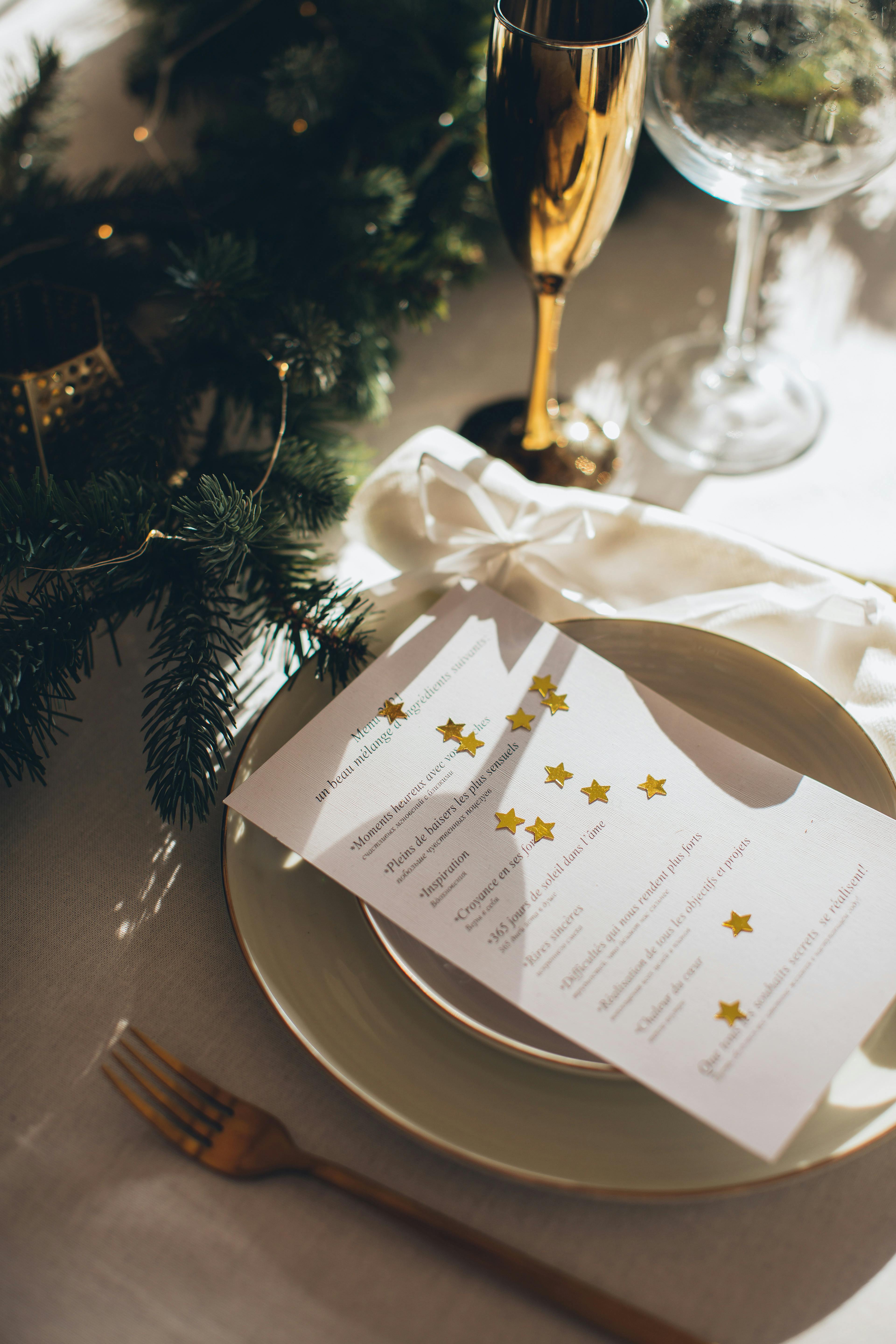
Core Details and Context
Here is the kicker: the menu is not merely about taste. It is about meaning. A state dinner menu has to balance hospitality, symbolism, and presentation, which is why these events are so closely watched by the press. When a former first lady or current host chooses a menu, she is also choosing a message about refinement, occasion, and national identity.
- The event itself is a signal: hosting a monarch at the White House is never routine.
- Melania Trump’s role matters because first ladies often shape the atmosphere of state functions, even when they are not making policy.
- Royal visitors are treated differently from ordinary dignitaries, with more ritual and stricter protocol.
- The menu is curated for optics as much as appetite.
- Media fascination is predictable because food stories make politics look softer than it is.
Let’s be real: the press often acts as if the menu proves character. It does not. A fancy plate can tell you about staging, budget, and taste, but not holiness, loyalty, or virtue. People are more than a setting, and public image is a thin coat of paint over the messy grain underneath. That is a lesson the modern media keeps forgetting.
The feast also sits inside a larger tradition of transatlantic ceremonial pageantry. When the British monarchy enters the White House orbit, the event becomes a cultural exchange as much as a diplomatic one. The U.S. side tends to emphasize abundance and national pride; the royal side brings continuity, tradition, and restraint. Those differences are part of the attraction.
For readers following other high-profile public-image stories, the same pattern appears again and again. The food is the hook, but the real story is power. Compare how press attention works in pieces like celebrity dinner parties, royal visits and public ceremony, and how public image shapes political storylines. Different arena, same machinery.
Why do people care so much? Because food is a shortcut. It lets the public read class, mood, and intention in a way that feels immediate. But shortcuts can be foolish. A careful observer knows the menu is a clue, not a confession.

Timeline / Step-by-Step
State dinner coverage always arrives in phases. First comes the announcement. Then the guest list. Then the menu chatter. Then the inevitable pile-on from people who have never planned a diplomatic dinner in their lives. I’ve covered enough public events to say this plainly: the sequence is as important as the substance.
- The visit is confirmed. The White House and royal officials coordinate the basics—dates, security, protocol, and who stands where. This is the dry part, and yet it is the backbone. Without it, the feast is just expensive soup.
- The host persona takes shape. Melania Trump’s reputation for polished presentation means any event linked to her is likely to attract close scrutiny. People expect style, and they look for evidence of it in every detail.
- The menu is drafted. Menus for state dinners are usually built around ceremonial balance, seasonal ingredients, and a nod to guests. The trick is to be impressive without looking gaudy. That is harder than it sounds.
- The press gets the details. Once the menu leaks or is revealed, commentary begins immediately. Some reporters focus on symbolism. Others just want a viral line about dessert. Here’s what nobody tells you: the coverage often says more about the outlet than the dinner.
- The feast happens. At the table, the event becomes less about the dish and more about the room. Seating, remarks, floral arrangements, and body language all matter. The camera catches the smiles. It rarely catches the fatigue.
- The aftermath turns into narrative. After the plates are cleared, the media decides what the dinner “meant.” That is where the spin comes in. Everyone wants the clean story, but history is rarely that tidy.
If you want the broader frame, look at how the White House packages ceremonial events through official channels and how royal households document state occasions on the official Royal Family site. The institutions know what they are doing. They are selling continuity.
The deeper truth is simple. A state dinner is a ceremony of restraint disguised as luxury. It looks lavish, but its purpose is control. That is the paradox. And it is why the story keeps landing in celebrity and political coverage at the same time.
Comparison Table
| Topic | Melania Trump’s White House Feast | Typical Celebrity Dinner Event |
|---|
| Purpose | Diplomacy, image, ceremony | Socializing, branding, publicity |
| Guest Type | Royal family and political figures | Actors, musicians, influencers |
| Media Interest | Very high, due to protocol and monarchy | High, but usually shorter-lived |
| Symbolism | Strong national and diplomatic signal | Personal status and trend value |
| Food Role | Part of statecraft | Part of lifestyle content |
| Public Meaning | Reflects host, nation, and occasion | Reflects celebrity persona |
| Lasting Impact | Can enter historical record | Often fades after the headlines |
For a cleaner sense of how public-facing events are framed, compare this with broader coverage of high-profile appearances in red-carpet fashion and power dressing and the branding behind high-profile events. Different industries, same appetite for control.
Common Misconceptions / What to Know
The biggest mistake is assuming a menu reveals the whole story. It does not. It reveals a chosen version of the story. That distinction matters, and not enough people bother with it. Most coverage turns a state dinner into a personality test. That is lazy.
Myth 1: The menu is just about taste. No. It is about diplomacy, symbolism, and presentation. Taste matters, sure, but only in the broad sense. The event has to feel right to the guest and photogenic to the public.
Myth 2: Fancy equals sincere. Not necessarily. Luxury can be warm, cold, sincere, performative, or all four at once. The food does not prove the heart. Catholic moral wisdom would call that a mistake of sight over substance: the person is never reduced to the surface.
Myth 3: Public figures control the narrative completely. They do not. The media, staff, guests, and audience all chip away at it. The final story is a patchwork.
Myth 4: Royal visits are old-fashioned and meaningless. Actually, they still matter. Royals carry symbolic weight, and the White House knows it. Ceremonial power is still power, even when it comes with silverware.
The truth is, these events survive because humans are drawn to ritual. We want order, ceremony, and a bit of sparkle. But we also want drama, which is why the menu becomes content. It is a small thing made to carry big meaning. That is the trick.
If you are following the broader celebrity and political swirl, you may also want to read about why dinner guest lists fuel rumors and how public events become media evidence. The overlap is not accidental; it is how modern fame works.
Frequently Asked Questions
What was special about Melania Trump’s handpicked menu?
It stood out because it was tied to a royal White House feast, which makes every course part of a larger diplomatic performance. The menu’s importance is less about culinary novelty and more about symbolism, presentation, and the public message it sent.
Why does a White House dinner menu get so much attention?
Because it sits at the intersection of politics, celebrity, and royalty. That is prime media fuel. The public likes the details because they feel intimate, but the event itself is carefully staged and heavily symbolic.
Does the menu tell us anything about Melania Trump personally?
Only a little. It suggests a preference for polish and formality, but a menu is not a biography. People are deeper than their public styling, and good judgment should leave room for that.
Why are royal visits to the White House such a big deal?
They combine two old institutions with global visibility. The monarchy brings tradition; the White House brings political power. Put them together and you get a story the media cannot resist.
Final Thought
The menu will be remembered, if at all, as a shiny detail from a carefully staged evening. That is fair enough. But the larger story is not the lobster or the garnish or whatever headline-friendly morsel got the most clicks. The larger story is how public figures use ceremony to say what they cannot say directly: we matter, this matters, and the room should understand the difference.
I’ve seen enough celebrity and political spectacle to know that the public often mistakes polish for truth. That is human nature, but it is a poor guide. The better reading is older and simpler: people in power are complicated, public rituals are curated, and appearances always carry both truth and camouflage. The wise response is neither cynicism nor awe. It is measured attention, the kind that keeps charity in judgment and refuses to worship the surface.
In the end, a state dinner is a little like a parable served on china. The image is bright, the message is controlled, and the real meaning sits just below the tablecloth.