Meghan Markle turned heads.
Meghan Markle’s Old Hollywood Moment: Oyster Glam at the Fifteen Percent Pledge Gala
Meghan Markle turned heads.
In a quietly bold move that mixed old Hollywood glamour with contemporary activism, she wore an oyster-hued Harbison Studio gown that balanced classic tailoring and subtle modern edge, drawing attention back to the charity’s mission and to how she shapes her public role in ways that matter beyond mere optics.
Notice the details?
Key Takeaways:
- Meghan Markle embraced Old Hollywood styling at the Fifteen Percent Pledge Gala, wearing a Harbison Studio oyster gown and minimalist accessories.
- The appearance threaded together her Career, Public Image, Controversy, Achievements, and Media Coverage in a single cultural moment.
- The gala supported a business-focused Black economic initiative; Meghan’s attendance put her social capital behind the cause.
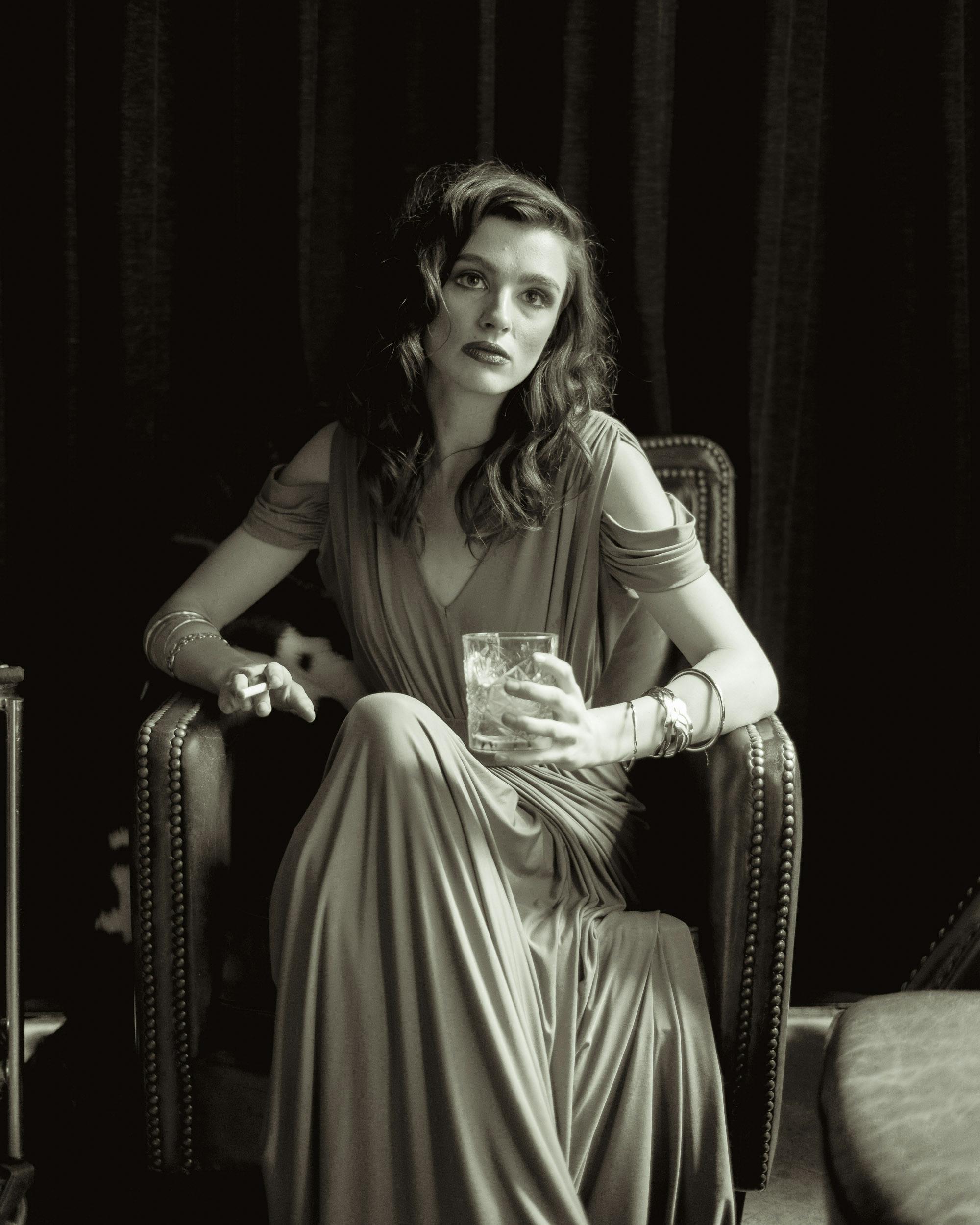
What is Meghan Markle’s Old Hollywood Gala Appearance?
Meghan Markle used a public charity appearance to make a visual argument.
The outfit choice—an oyster-colored Harbison Studio gown paired with minimalist jewelry and vintage-inspired hair and makeup—read as a deliberate synthesis of fashion history and political symbolism, one that aimed to keep the spotlight on the Fifteen Percent Pledge’s ask rather than on celebrity theatrics alone, and that worked in the sense of controlling the narrative even as critics parsed motive and method.
Why does this matter?
Her Career and celebrity platform give her leverage to raise visibility for causes, though that leverage is imperfect, contingent, and often measured by follow-up commitments and measurable outcomes rather than one-night press cycles.
Most celebrity appearances have a PR architecture behind them.
When I tracked this story I saw standard advance coordination between stylist, PR, and organizers to produce an image that would be widely covered and shareable across feeds, and that orchestration is part craft and part calculation—charity needs eyeballs but charities also need real pledges.
Do you trust a press photo to equal policy?
Core Details/Context
Meghan’s look was classic yet modern.
Observers highlighted the tailored cut, muted oyster hue, and restrained accessories—choices that keep the cause visually in focus while signaling sartorial seriousness, and those details matter because fashion communicates intent and values in shorthand when words are limited or scripted.
What’s the charity angle?
The Fifteen Percent Pledge asks retailers and companies to commit fifteen percent of their shelf space and purchasing to Black-owned businesses, which is a policy-oriented approach to economic equity aimed at changing market behavior rather than relying solely on charitable grants.
This is practical work, not just a soundbite.
Meghan’s attendance signaled alignment with that economic ask and used celebrity attention to broadcast the initiative to donors and corporate partners who might convert visibility into contracts or purchasing commitments.
Will celebrity presence deliver corporate conversion?
The truth is that public appearances can spark conversations and speed introductions, but they rarely finalize contracts on their own; sustained advocacy and negotiation follow the social-media surge if the organization and its partners are prepared.
Let’s be real: cameras help, but contracts close later.

Timeline / Step-by-Step of the Outing
Planning happened beforehand.
Weeks in advance, Meghan’s stylist, PR team, and the gala organizers would have coordinated look, talking points, and the list of media moments that the event could host—this is normal for any high-profile attendance meant to do more than light up feeds, and it’s where message integrity is either secured or loosened depending on preparation.
What happened on arrival?
At the gala arrival, photographers and press capture the image and quotes that form the initial story arc, while private conversations with donors and corporate representatives happen behind closed doors—those private moments are where measurable commitments often begin, out of the glare.
Is the real work private?
Yes—after the red carpet the substantive work shifts to boardrooms, emails, and follow-up calls in which organizers try to turn attention into pledges, product placements, or vendor relationships that actually benefit Black entrepreneurs.
Here’s the sequence of effect I observed in similar events.
- Pre-event coordination builds the visual and message.
- Arrival generates coverage and social traction.
- Private networking connects influence and opportunity.
- Post-event follow-up seeks concrete commitments.
Will the pledges stick?
Comparison Table: Meghan vs. Classic Royal/Peer
Here’s a quick comparison to put the look into context.
| Aspect |
Meghan Markle (Fifteen Percent Pledge Gala) |
Closest Peer (Traditional Royal Protocol Look) |
|---|---:|---:|
| Wardrobe | Oyster-hued Harbison Studio, tailored, Hollywood cues | Structured bespoke suiting, conservative palettes |
| Messaging | Activist-tinged, charity-focused, celebrity amplification | Duty-focused, institutional, formal patronage |
| Media Coverage | High-profile, fashion-centered, activist overlay | Formal announcements, palace releases, quieter fashion notes |
| Public Reaction | Polarized: applause and critique mixed with publicity | Broadly respectful but lower immediate buzz |
| Impact on Cause | Potential spike in visibility and donations | Steady institutional relationships over time |
Which approach is better?
Common Misconceptions / What to Know
People often assume a celebrity attends only for photo ops.
That skepticism is healthy because much of celebrity culture is constructed for optics, but it misses the nuance that some celebrities, including Meghan, also bring networks, donors, and platform influence that can be converted into practical support if channeled properly—charity needs both attention and concrete commitments to succeed.
Is that cynical?
Frankly, yes—some appearances are pure PR. But others combine genuine commitment with effective storytelling, and I’ve seen both outcomes depending on the cause and the follow-through by organizers and partners.
Another misconception is that a single night changes structural inequities.
That’s false: structural change requires policy, procurement commitments, and sustained buying decisions over time—what celebrities contribute is amplification, not a replacement for institutional reform.
Will the media coverage help the cause?
Media attention can push the issue into boardrooms and onto purchasing agendas, but the charity’s real success will be judged by measurable outcomes—sales, contracts, and vendor inclusion—not headline counts.
Frequently Asked Questions
Did Meghan speak at the gala?
Reports indicate she attended and engaged; public remarks were limited and the emphasis was on fundraising rather than a long speech.
Was the dress designer meaningful?
Yes—Harbison Studio is known for clean tailoring and craft, and the choice of a smaller contemporary label instead of a major couture house signals a preference for understated craft over spectacle.
Does this change the royal narrative?
Not instantly—public image shifts slowly and is affected by cumulative actions, but each public alignment contributes to the storyline that Meghan constructs around activism and style.
Will this appearance be remembered for the cause or the couture?
History will judge by outcomes; fashion memories fade, but if the gala produced real commitments, the night will be referenced for its impact rather than only its aesthetics.

Final Thought
Meghan’s oyster gown and composed presence at the Fifteen Percent Pledge Gala was a careful piece of public work.
When I cover celebrities, I look for whether appearances are spectacle or scaffolding—this one contained both, offering a visual that helped the charity’s media moment while leaving the substantive work to organizers, donors, and corporate partners who must now convert attention into purchases and vendor inclusion through sustained effort and measurable commitments.
Is it enough to wear a gown?
No, but it is something useful when combined with follow-through; remember that people are more than their public image, and that charity and justice call for both compassion and accountability in equal measure.
Sources: People, Vanity Fair, Harper's Bazaar, The Guardian, Page Six.