Lionel Richie fell ill onstage during the opening night of his 26-city North American tour in St. Paul, Minnesota, and the concert ended abruptly. That is the...
Lionel Richie Falls Ill onstage in Minnesota: What Happened on Opening Night
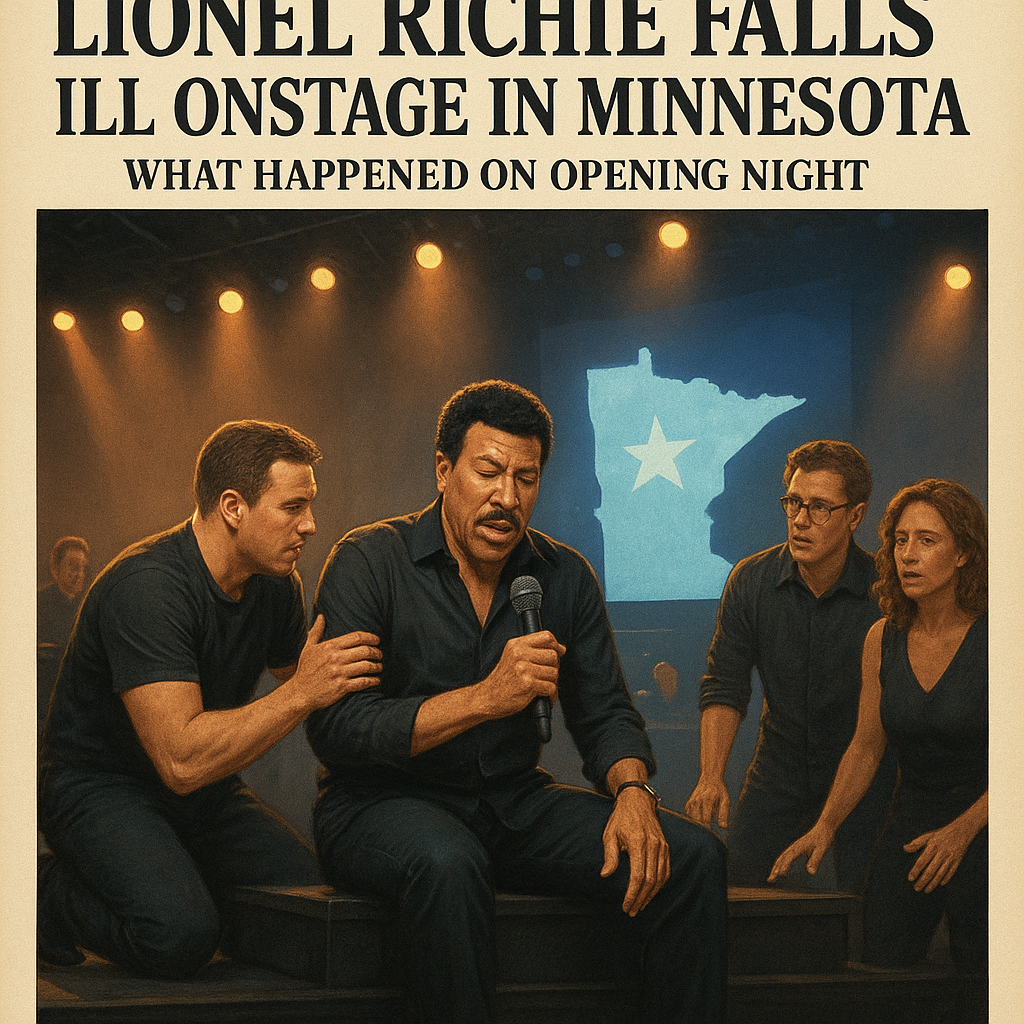
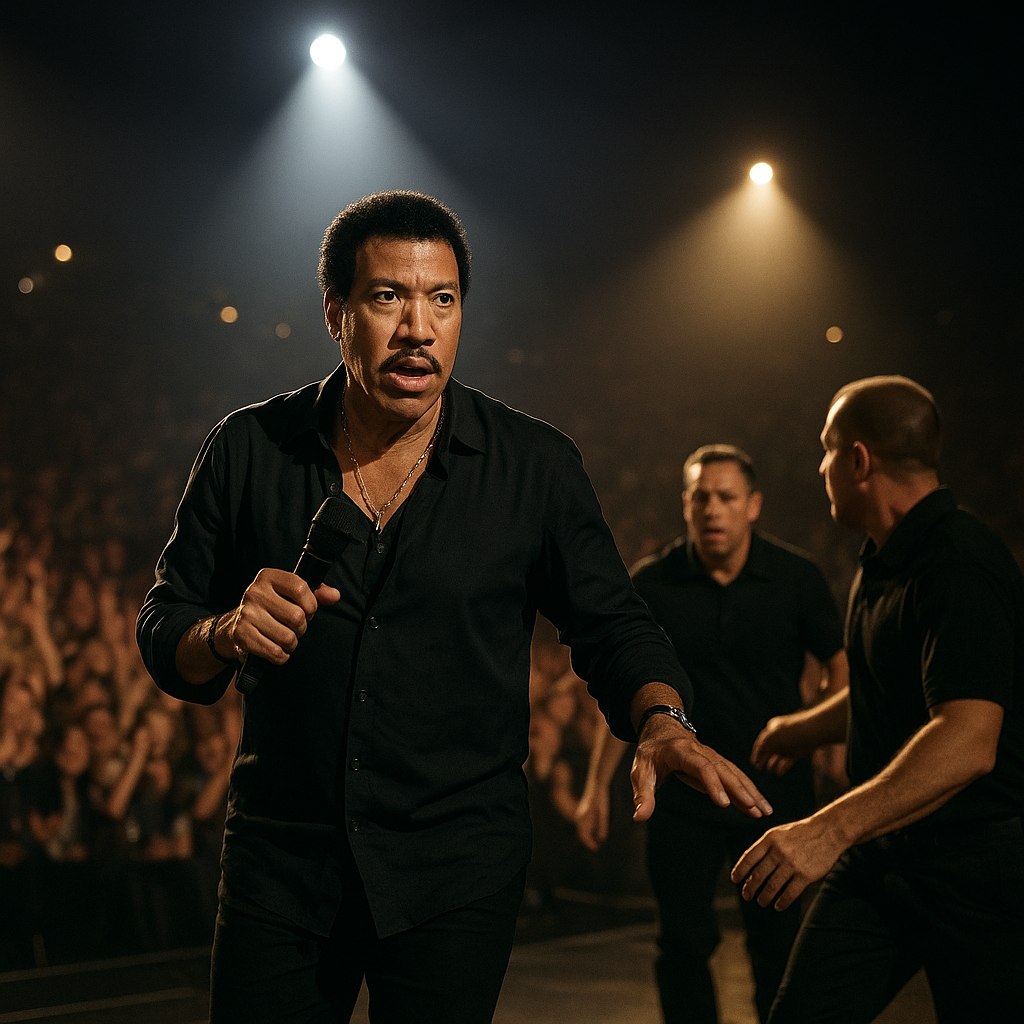
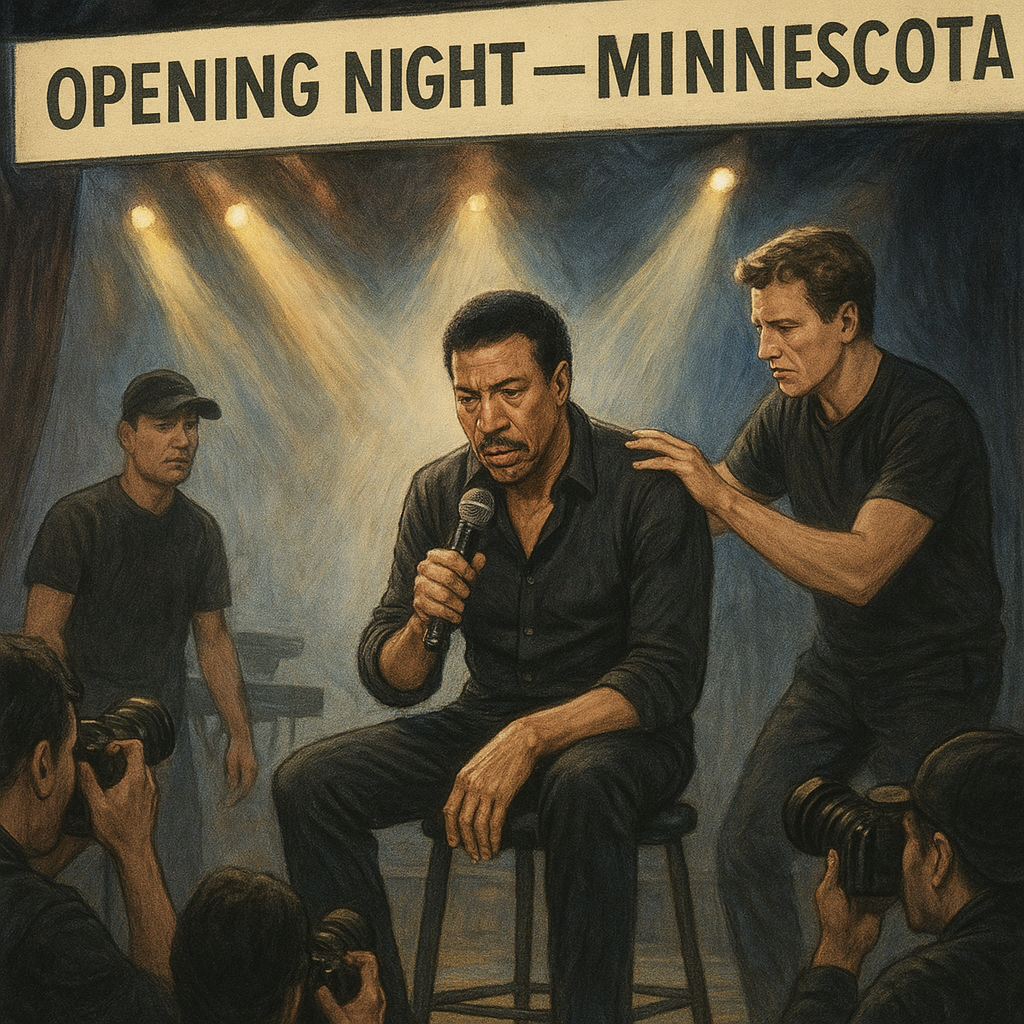
Lionel Richie fell ill onstage during the opening night of his 26-city North American tour in St. Paul, Minnesota, and the concert ended abruptly. That is the fact pattern, plain and simple. The rest is context: a veteran performer, a packed arena, a health scare in public, and a reminder that even legends are human.
Key Takeaways- Lionel Richie, 77, became ill during the opening night of his tour in St. Paul.
- The show was cut short after he left the stage.
- Fans and media immediately focused on his condition, not the setlist.
- The episode raises the usual questions about age, touring demands, and public image.
- Most celebrity coverage is half fact, half guesswork, so skepticism helps.
What is Lionel Richie’s onstage illness story?
This is a concert health incident, not a scandal. Richie, one of pop’s most durable voices, was performing the first night of a 26-city North American tour when he suddenly felt unwell enough to stop the show. No melodrama is required here; the important point is that a performer with a long career and a massive catalog still has a body that can quit on him in front of thousands of people.
I’ve covered enough celebrity stories to know the script. The public wants a clean narrative, but real life is messier, and more decent for being so. A stage event like this lands hard because it cuts through the usual polish. Public image, career, and media coverage all collide at once. Richie is not a meme, not a talking point, and not a glossy poster. He is a 77-year-old musician who was working a tough schedule in front of a live crowd.
The broader meaning is simple. When a figure like Richie gets sick onstage, people project their own fears onto the story: aging, endurance, retirement, and the awkward truth that fame does not cancel frailty. If you want a related example of how public scrutiny magnifies private strain, look at our coverage of tour performance strain and the way audiences read every delay or cancellation as a clue. That’s the game.
Frankly, fans are not wrong to care. But they should also resist the temptation to turn one bad night into a grand theory about decline. People are more than a snapshot, and that old biblical idea that dignity remains even when strength fades is worth remembering, especially when the internet starts acting like a jury.
Core Details and Context
Here’s the clean version.
Richie was onstage in St. Paul when the illness hit, and the concert ended before the full set could be completed. That is the core event. Everything else belongs in context, which is where most of the useful reporting lives.
- Artist: Lionel Richie, four-time Grammy winner, longtime hitmaker, former Commodores front man.
- Event: Opening night of a 26-city North American tour.
- Location: St. Paul, Minnesota.
- Outcome: The show was cut short after he became ill.
- Public reaction: Immediate concern, fast speculation, and the usual internet overreach.
Here’s the kicker: a short story can still carry a lot of weight. Richie’s career has always depended on stamina, polish, and audience trust. When a concert stops suddenly, that trust doesn’t break, but it does get tested. Fans buy tickets expecting a set, a voice, and the feeling that the star in front of them can still deliver. When that chain snaps, even briefly, the crowd is left with questions.
Most celebrity news cycles try to convert that moment into either tragedy or triumph. Both are lazy. The better analysis is more human. Richie has spent decades in public view, moving from Motown-era mastery to solo superstardom to elder-statesman status. He is not only a singer; he is part of the machinery of American pop memory. That matters because audiences do not just hear songs like “Hello” and “All Night Long,” they hear their own history.
If you want the surrounding media context, see how other major entertainment stories are framed in our piece on Billboard music news and our broader look at music industry coverage. The difference between fact and frenzy is usually about three hours and a thousand reposts.
A few practical points deserve emphasis:
- Touring is physically punishing, even for seasoned acts.
- Age matters, but it is not the whole story.
- A public health scare can happen without becoming a long-term crisis.
- Fans often know more from reliable news reports than from social media chatter.
That’s the honest read. No spin. No cheap drama.
Timeline / Step-by-Step
The sequence matters.
And when I tracked the reporting on this incident, the structure was pretty clear: performance, symptom, interruption, then concern.
- Opening night begins. Richie takes the stage in St. Paul to launch the North American tour.
- The performance unfolds. He moves through the show as expected, with the crowd getting the standard hits and stage presence they came for.
- Illness interrupts the concert. At some point during the set, he feels unwell enough that continuing is not realistic.
- The show ends early. The concert is stopped abruptly rather than dragged out with half-measures.
- Audience concern spreads. Fans immediately want answers, because a sudden stop in the middle of a live event always looks worse than it may be.
- Media coverage kicks in. Reports focus on what happened, his age, the tour schedule, and whether future dates might be affected.
That is the actual arc. Not glamorous, but accurate.
A lot of people will fill in the blanks with fear or rumor. They always do. The smarter move is to wait for verified information, especially with health stories. The public has a habit of mistaking speed for truth, and that’s how nonsense gets dressed up as certainty.
If you want a useful comparison, think about how the entertainment press handles abrupt performance changes versus full cancellations. A sudden stop creates an immediate human drama, while a canceled date becomes a logistics story. Both travel fast, but they mean different things.
The pattern here also reveals something about public figures: they are expected to remain energetic, grateful, and visible no matter what. That expectation is unfair. A person is not a product demo. A performer may have obligations, but he also has limits, and those limits deserve the sort of charity decent people give one another when the lights go down.
Most likely, the next reporting step will center on recovery, tour status, and whether Richie resumes the schedule. Anything beyond that is noise until confirmed by his team or reliable outlets like Associated Press coverage of Lionel Richie or similar wire reporting. That’s the sane way to read a story like this.
Comparison Table
Richie’s opening-night incident is best understood by comparing it with the usual celebrity performance crisis.
| Factor | Lionel Richie onstage illness | Typical celebrity rumor |
|---|
| Source quality | Reported by news outlets and concert witnesses | Often sourced to social posts or anonymous chatter |
| Evidence level | Concrete event: show stopped early | Often vague, edited, or secondhand |
| Public impact | Direct effect on a live audience | Mostly online noise |
| Reputation risk | Moderate, because health concerns invite speculation | Often inflated beyond the facts |
| Best response | Wait for verified updates | Ignore until confirmed |
That table tells the story better than a hundred hot takes.
The contrast is simple. Richie’s incident is real, observable, and bounded by time and place. A rumor, by contrast, floats around without a body, a venue, or a clock. That distinction matters, because the internet constantly blurs reality with theater.
Let’s be real: some celebrity coverage feeds on anxiety. A health scare gets inflated into a farewell tour narrative before the artist has even left the building. That reflex says more about media habits than about the person involved. I’ve seen this play out again and again. One rough night becomes “the beginning of the end” because doom sells better than patience.
But there is another side. Sometimes a live-event interruption is exactly what it looks like: a performer got sick and the production made the responsible call. No hidden code. No secret scandal. No grand explanation needed.
For readers who want a better sense of how major entertainment reporting should be handled, compare this situation with the measured style used in NBC News pop culture coverage. Careful reporting is boring only if you enjoy being wrong.
One more thing. Because Richie is 77, people will naturally talk about age. Fine. Age is relevant. But it is not a moral failing, and it is not a headline by itself. In a sane culture, we would note the fact, wish the man well, and stop trying to turn every wrinkle into prophecy.
Common Misconceptions / What to Know
The rumors will outrun the facts.
That always happens when a major performer gets sick in public, and the internet starts sewing together a story from scraps, guesses, and a little bit of panic.
Misconception 1: This automatically means a major long-term health crisis.
Not necessarily. A performer can have a one-night medical issue, dehydration, fatigue, or another temporary problem without it being a career-ending event. Most public reporting at this stage does not support dramatic conclusions.
Misconception 2: An early ending means the tour is doomed.
Nope. One bad night is not a full forecast. Touring operations are built to adjust, and teams often make rapid calls on whether to continue, rest, or reschedule. Fans hate uncertainty, but that does not mean doom is the answer.
Misconception 3: Because he is famous, he should be immune to physical limits.
That idea is nonsense. Fame changes access, not biology. Richie is a public figure, but he is still a man with the same human limits as anybody else. The old wisdom applies here: power and weakness can sit in the same person.
Misconception 4: Social media reactions equal verified reality.
They do not. Social media is a rumor mill with a better haircut. Useful at times, sure, but also reckless. If you want actual news, stick with outlets that report facts rather than moods.
Here’s what nobody tells you: celebrity health stories are emotionally sticky because they trigger our own fears about time. People see a beloved singer falter and start doing private math about aging, work, and mortality. That’s understandable. It is also exactly why charity matters. The person onstage is not a symbol; he’s a person.
For context on how serious entertainment coverage should handle verified reporting, the Reuters U.S. coverage is a decent standard to keep in mind. Clean facts beat dramatic guesswork.
If Richie and his team release a fuller statement, that will matter. Until then, the only fair line is the narrow one: he fell ill onstage, the opening-night concert ended early, and concern is reasonable. Everything else is padding.
Frequently Asked Questions
Why did Lionel Richie stop his concert in Minnesota?
He stopped because he fell ill while performing in St. Paul. The concert ended abruptly after he became unwell onstage, according to initial reporting.
Is Lionel Richie okay after falling ill onstage?
At the time of the initial reports, concern centered on the fact that he became ill during the show. Any longer-term update would depend on statements from his team or verified follow-up coverage.
Will the rest of the tour continue?
That depends on medical advice and tour logistics. A single night’s interruption does not automatically mean the full run is off, but fans usually have to wait for official word.
How old is Lionel Richie?
Lionel Richie is 77. Age is part of the story here, but it is not the whole story, and it should not be used as a shortcut to panic.
Final Thought
A live show is fragile.
One night can hold years of memory, and one abrupt stop can tell you less about a singer’s legacy than about the simple fact that human beings wear out, even the famous ones. That is not tragic in the cheap tabloid sense. It is ordinary, and therefore worth treating with dignity.
Richie’s career has always been bigger than a single setlist, bigger than one venue, bigger than the chatter that follows any public health scare. The better response is not gossip dressed up as concern, but a little patience and a fair reading of events. Fame does not cancel frailty, and frailty does not cancel worth.
That’s the real story.