An LIRR strike would hit ordinary commuters first. That is the ugly truth, and it is why both Gov. Kathy Hochul and Nassau County Executive Bruce Blakeman...
An LIRR strike would hit ordinary commuters first. That is the ugly truth, and it is why both Gov. Kathy Hochul and Nassau County Executive Bruce Blakeman should stop posturing and apply real pressure where it counts, because voters do not care about union theatrics when trains stop running and paychecks, childcare, and daily routines get wrecked.
Key Takeaways- A Long Island Rail Road strike would punish commuters, employers, and small businesses fast.
- Kathy Hochul and Bruce Blakeman both have political leverage, and both should use it.
- Union leadership may frame the fight as wages and fairness, but a strike also becomes a public nuisance in a hurry.
- Most coverage turns into stock-team nonsense; the facts are simpler: service disruption hurts the public most.
- Human beings are not bargaining chips. That is basic moral common sense, and it should matter here.
What Is the LIRR Strike Fight?
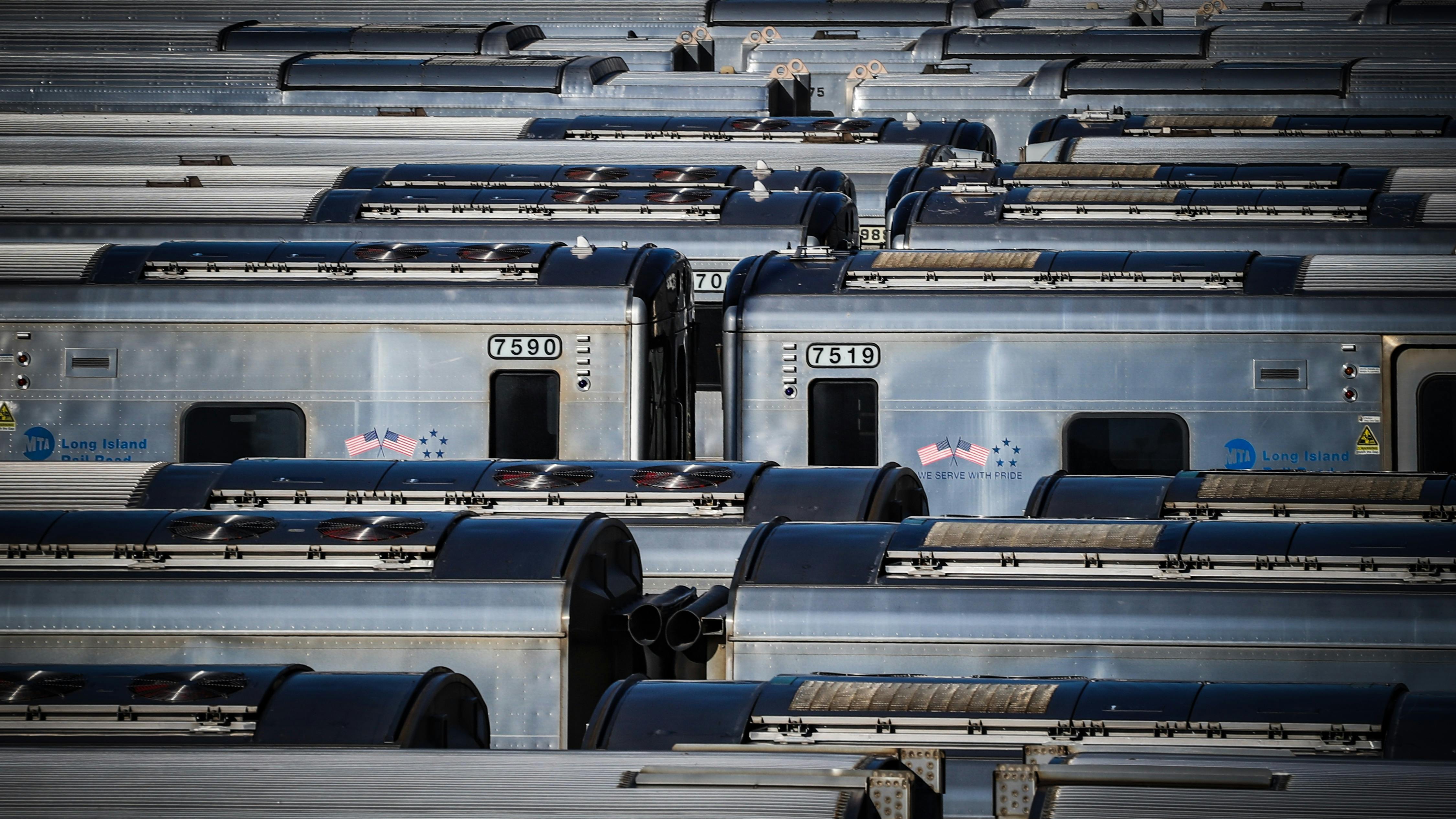
The Long Island Rail Road is not some abstract agency. It is the artery for hundreds of thousands of commuters, and when it hiccups, the entire region coughs. An LIRR strike means trains stop, service gets gutted, and Long Islanders—many of whom have no realistic backup—absorb the pain first. Frankly, that is why this fight matters beyond the usual transit drama.
I have covered enough public disputes to know this pattern: each side talks about fairness, hardship, and responsibility, but the people stuck in traffic are the ones who pay the bill. Most celebrity and political theater works that way, too. The loudest voices get the mic, while the quiet crowd absorbs the cost. Here, the moral issue is not hard to see. Workers have rights, yes. But commuters are not faceless props, and public leaders have a duty to protect the common good, not just score points.
That is where Hochul and Blakeman come in. The governor has state power, transit oversight, and a direct line into negotiations. Blakeman, though not the top boss on transit, is the chief elected official in Nassau County and can shape public pressure, emergency planning, and the political temperature. If both sit back and let the strike narrative become a blame carnival, they fail. The public deserves clarity, not hand-waving.
The editorial case is simple: both should stand up to union pressure if that pressure crosses into coercion or obstruction. A union can bargain hard without turning working families into hostages. There is a difference, and anyone with a straight face knows it. For background on how public disputes get spun, see this look at LIRR contract negotiations, and for the broader political frame around transit disputes, this coverage from Reuters is useful.
Core Details and Context
The stakes are not theoretical.
- Commuters: A strike hits people who must get to work, school, medical appointments, and caregiving duties. No one gets a gold star for being “on message” while riders sit stranded.
- Employers: Businesses lose time, money, and staff reliability. Small firms feel it first, which is always how these things go.
- Regional economy: The LIRR is tied to the daily rhythm of Long Island and New York City. Disruption spreads quickly.
- Political accountability: Hochul has the most direct institutional responsibility. Blakeman has the loudest county-level platform on Long Island and should use it instead of mumbling from the sidelines.
- Public trust: If leaders appear weak, voters remember. They always do.
Most union battles are wrapped in noble language. Sometimes that language is deserved. Workers should be paid fairly, and nobody should shrug off legitimate safety or wage concerns. But let’s be real: the public often hears only the moral claim and not the leverage tactic underneath it. A strike threat is power, plain and simple. Power can be legitimate, but it can also become ugly when it is used without restraint.
This is where the common good matters. Catholic social teaching has a plain idea worth repeating: society exists for people, not the other way around. That means workers matter, yes, but so do commuters, families, and the elderly who depend on a functioning transit system. Charity in judgment does not mean gullibility. It means recognizing that human beings on all sides are fallible and deserve fair treatment without making everybody else bleed for it.
For readers following the political angle, there is a useful parallel in how officeholders handle public anger. See also coverage of Hochul and the LIRR dispute and transit labor reporting from amNewYork. Not every headline tells the whole truth, but the pattern is clear enough.

The political problem is blunt.
Hochul cannot act like a spectator. She is the governor. If the state runs the railroad, then the state owns the mess when talks collapse. Blakeman cannot act like this is somebody else’s storm either. Long Island voters expect him to fight for the people who keep the county running, not simply pose for the cameras and complain after the damage is done.
Here’s the kicker: both officials have incentives to talk tough, but not always to do tough things. That gap is where the public gets burned. I have seen it over and over in politics, sports, business, even celebrity scandals. Everyone says they want accountability until the bill comes due. Then suddenly it is “complex.” Spare me.
Timeline and Step-by-Step Pressure Points
- Negotiations stall. The first sign is usually familiar: contract talks drag, deadlines loom, and both sides leak talking points. I’ve watched enough of this to know the leaks are often aimed at shaping blame, not solving the problem.
- A strike threat becomes public. At this stage, union leaders signal they are prepared to walk. That changes the public mood fast. Riders stop thinking about abstract labor law and start planning alternate routes, babysitters, and lost wages.
- Officials are forced to choose posture or action. This is the line where Hochul and Blakeman should stop speaking in safe slogans. They need visible pressure: emergency planning, public briefings, direct contact with the parties, and clear statements that holding commuters hostage is not acceptable.
- The media machine spins up. One side says the other is greedy. The other side says the first is cruel. Everybody finds a microphone. Most of it is noise.
- Public outrage builds. Riders, business owners, and local residents start asking why the state is always late to act. Good question.
- A deal is struck or the strike begins. Either way, the cost of delay lands on the public. That part is rarely argued honestly.
When I tracked similar labor standoffs, the winning strategy was never silence. It was visible leadership backed by consequences. Leaders do not need to demonize workers to insist on continuity of service. They do need to make plain that the public cannot be used as a bargaining chip. That is the adult position, and frankly, the grown-up move is rare enough to be news.
For more context on transit labor and public reaction, see The Wall Street Journal and Gothamist. The details shift, but the basic setup does not.
Comparison Table: Public Leadership vs. Political Theater
| Category | Meaningful Leadership | Political Theater |
|---|
| Goal | Keep service running and protect commuters | Score headlines and shift blame |
| Tone | Firm, calm, specific | Loud, vague, performative |
| Focus | Public welfare, continuity, fairness | Message discipline, optics, donor pressure |
| On-the-ground effect | Real contingency planning, pressure on negotiators | More outrage, less action |
| Public trust | Builds credibility | Burns credibility fast |
| Moral posture | Respects workers and riders alike | Treats both as props |
The comparison is not flattering to most politicians. That is the point. A leader either reduces harm or multiplies it. If Hochul and Blakeman want to look serious, they should behave like people who understand that a railroad is not a press release machine.
Common Misconceptions and What to Know
The biggest myth is that every strike threat is automatically noble. It is not. Some are justified, some are strategic, and some are blunt-force leverage designed to make the public panic. People should be careful about letting sympathy become blind allegiance. Good will matters, but so does judgment.
Another myth says elected officials have no real leverage. That is convenient nonsense. They may not control every union move, but they control public pressure, emergency response, legislative attention, and the narrative around who is acting in good faith. They can also say “enough.” Sometimes that matters more than a flashy speech.
A third myth is that commuters should just absorb the inconvenience because “that’s how labor fights work.” No, it is not. Public transit is not a private chessboard. If the issue is compensation or working conditions, settle it without punishing people who had zero role in the dispute. Common sense is not glamorous, but it beats ideological fog.
The fourth myth is that standing up to union pressure means hating workers. That is sloppy thinking. The better view is more honest: workers deserve fair treatment, and the public deserves reliable service. Those ideas can live together. In fact, they must.
Here’s what nobody tells you: public resentment usually grows when leaders act morally blurry. If they talk only about process and never about duty, people feel abandoned. And when people feel abandoned, they stop trusting everybody, including institutions that actually do important work. That is a bad road, and we have all seen where it leads.
For readers wanting more on how labor fights get framed in politics, this reporting on Hochul’s pressure campaign and this piece on county reaction from Newsday help fill in the political texture.
Frequently Asked Questions
Q1: Why does an LIRR strike matter so much?
Because the railroad is essential to daily life on Long Island and into New York City. When it stops, commuters, employers, and families feel the disruption immediately.
Q2: What can Kathy Hochul actually do?
She can push hard in negotiations, coordinate state response, apply public pressure, and make clear that the state expects continuity of service. Being governor is not a decorative title.
Q3: What can Bruce Blakeman do?
He can use his platform to defend commuters, coordinate local planning, and keep the pressure on from Nassau County. He should not pretend this is somebody else’s problem.
Q4: Does standing up to union demands mean being anti-worker?
No. It means refusing to let one group’s leverage become a public hostage situation. Fair bargaining and public responsibility can coexist.
The honest answer is not fancy.
Hochul and Blakeman should act like leaders, not spectators, because people who ride the LIRR are not extra pieces in a political board game. They are parents, nurses, teachers, mechanics, office staff, and retirees trying to live their lives with some order. That dignity matters. It always has.
Most public fights are sold as heroic clashes between good guys and bad guys, but real life is dirtier than that. Workers can be right and wrong in the same breath. Officials can be helpful and cowardly in the same week. The public, meanwhile, gets stuck with the bill. That is why the standard should be simple: do not let a strike threat become a spectacle if there is still room for serious, honest bargaining and firm leadership.
If Hochul and Blakeman want any credit from Long Islanders, they should prove they understand the difference between protecting workers and protecting the public from chaos. It is not a hard distinction. It is just one politicians prefer to blur when the cameras are rolling.