A Minnesota father found himself at the center of a noisy political fight. He was not supposed to be famous, yet his words, outrage, and street-level defiance...
A Minnesota father found himself at the center of a noisy political fight. He was not supposed to be famous, yet his words, outrage, and street-level defiance turned him into a symbol for anti-ICE protestors—and then the backlash hit, including a reported attack on a reporter that dragged the whole story into uglier territory.
Key Takeaways
- A local parent became a national symbol because movements need faces, not just slogans.
- His rise was fueled by media coverage, protest energy, and a simple message that resonated online.
- The reporter attack changed the tone fast, because violence tends to wreck the moral claim of any cause.
- The story is not just about one man; it is about immigration politics, public anger, and what happens when protest turns nasty.
What is this story about?
This is a story about a man who got pulled from the local layer of politics into national attention. He became, at least in the eyes of supporters and media outlets, a voice for anti-ICE protestors in Minnesota. That means he was not simply speaking about one raid, one arrest, or one agency action. He was standing in for a wider rage over immigration enforcement, family separation fears, and the ugly suspicion many activists hold toward federal power.
Frankly, that kind of rise is not rare. Movements love a human face. A person with a job, a family, a neighborhood story, and a plain way of speaking can make a protest feel authentic instead of staged. I’ve covered enough public flare-ups to know the pattern: first comes the local grievance, then the camera, then the online clip, and finally the mythmaking. By the time the internet is done chewing on it, the person is no longer just a dad from Minnesota. He becomes a symbol, a brand, or a punching bag, depending on who is talking.
The trouble is that symbols are poor substitutes for reality. People are more than the slogan pasted on them. That old truth matters here. A man can have real grievances and still say foolish things. A protest can have a just cause and still get hijacked by rage. The Catholic instinct, if you want the honest version, is to resist easy idols: do not flatten a person into a poster, and do not pretend anger makes a statement holy.
What seems to have made this Minnesota father stand out was not just his opposition to ICE. It was how he spoke—directly, angrily, and in a way that many online users read as the plain voice of ordinary people who feel ignored by elites. That kind of talk travels fast. But fast does not mean clean, and public attention rarely comes without mess.
If you want the broader context, it helps to read adjacent coverage like this piece on ICE protests in Minneapolis, broader debate around ICE enforcement and immigration politics, and the way media narratives harden around people in public fights, as seen in stories from NBC News immigration coverage.
Core details and context
Here’s the kicker: nobody becomes “the voice of a generation” by accident. That sort of label gets attached when three things happen at once—real anger, a memorable face, and a hungry media cycle. In this case, the Minnesota dad fit the role because he looked like the kind of person many viewers think of as ordinary, not polished, not scripted, and not safely distant from the consequences of the issue.
A few core points matter:
- He represents a localizing effect. National issues often become more persuasive when translated through a family story, a neighborhood, or a parent’s fear.
- He benefited from simplicity. The message against ICE can sound morally clean to supporters when framed as protection of families and dignity.
- He also triggered opponents. To critics, the same message can sound reckless, emotional, and hostile to law enforcement.
- Media amplification did the rest. A clip, a quote, or a confrontation can travel far faster than the underlying facts.
Most people miss the power of narrative convenience. A reporter wants a face. Activists want a witness. Viewers want someone to root for. And political actors—well, they want leverage. That is how a local protest figure gets elevated into a national talking point before anyone has finished checking the record.
The reporter attack, though, is where the story gets serious and morally uglier. Violence, intimidation, or even a vicious physical confrontation against the press changes the frame. It stops being a tidy anti-enforcement story and becomes a story about disorder, responsibility, and the corrosion of civic life. If an activist movement claims compassion but tolerates blows against journalists, that is not strength. That is rot.
I’ve seen this play out again and again: once a cause gains momentum, some participants start acting as if outrage gives them permission. It does not. A reporter may be annoying, biased, or manipulative—sure, that happens. But assaulting a reporter is not a rebuttal. It is a collapse of discipline. And discipline matters if a movement wants to be taken seriously outside its own echo chamber.
For readers who want more on how public controversies get framed, a useful reference point is coverage of protest escalation in major outlets like AP News immigration reporting and local political reaction in The Minnesota Star Tribune.
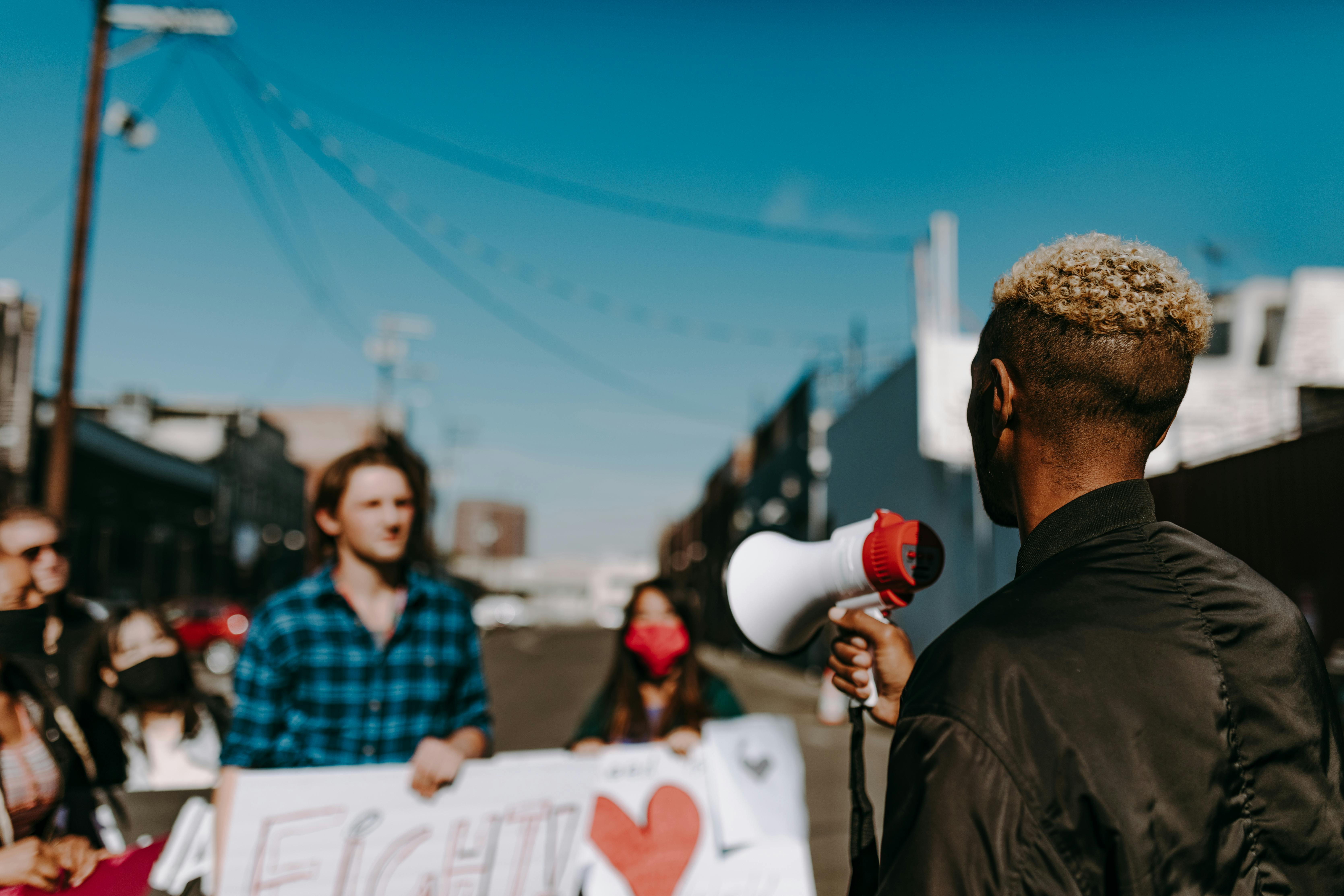
Another detail worth saying plainly: “anti-ICE” is not a single ideology. Some opponents of ICE want full abolition of the agency. Others want narrower enforcement, stronger due process protections, or an end to certain detention practices. That distinction gets lost because television prefers clean categories and social media prefers louder ones. The result is a mess of labels that make people shout past each other.
Timeline and what actually happened
The timeline matters because these stories are often flattened into one viral moment. They rarely start there.
- Local frustration builds. A Minnesota family, like many others, felt the pressure of immigration enforcement debates, community tension, and the fear that one government action could tear apart a household. That emotional pressure is real, even when it is politically messy.
- The father speaks out. He did what many ordinary parents do when pushed into a corner: he talked to people around him, showed up at events, and voiced anger in simple language. That plain speaking is part of why people noticed him.
- Media cameras arrive. Once coverage begins, the story changes shape. A local complaint becomes a visual narrative. That is when a person can suddenly become the “face” of a protest, whether he asked for it or not.
- Supporters crown him. Online audiences, especially those already suspicious of ICE, begin repeating his words, clipping his appearances, and attaching meaning to his background as a father. He becomes a symbol, not just a witness.
- Opponents push back. Critics frame him as irresponsible, radical, or manipulative. They also question whether the media is romanticizing a person who is participating in a heated, potentially lawless protest environment.
- The reporter incident escalates everything. The reported vicious attack on a reporter shifts public attention from immigration policy to safety, ethics, and accountability. Once the press gets physically targeted, the story gets bigger and darker. No one serious should pretend otherwise.
- The movement’s image takes damage. This is the part activists hate admitting. Violence against media figures, even if committed by a small subset, stains the broader cause. Public sympathy drops. The narrative gets less about justice and more about chaos.
When I track stories like this, the same rule always holds: the first account is usually incomplete, the second is partisan, and the third is where the facts begin to settle. That does not mean truth is impossible. It means patience is required, and charity in judgment is not the same as gullibility.
A sensible reader should compare the story with reporting from Reuters U.S. politics coverage and broader immigration context from PBS News immigration reporting.
Comparison table
The easiest way to understand this case is to compare the public figure at its center with the more established voice of anti-ICE politics in the country: organized activist leadership and institutional advocacy. The difference is crude, but useful.
| Feature |
Minnesota Dad as Protest Face |
Established Anti-ICE Organizing |
| Public image |
Personal, emotional, family-centered |
Strategic, policy-centered, professionalized |
| Media appeal |
High, because he looks like an ordinary citizen |
Moderate, because institutions are less dramatic |
| Risk of backlash |
Very high, especially after violent incidents |
High, but usually distributed across groups |
| Message style |
Direct, angry, symbolic |
Policy-driven, repetitive, legalistic |
| Long-term influence |
Depends on whether the story stays local or goes viral |
More durable through networks and organizations |
| Biggest weakness |
Can be painted as impulsive or reckless |
Can sound detached and bureaucratic |
| What supporters see |
Courage and authenticity |
Infrastructure and persistence |
| What critics see |
A loud agitator |
An organized pressure campaign |
The comparison says something important. The local father figure is useful because he is human, and human beings move crowds. But institutions matter because emotions burn out. A movement built only on viral faces tends to wobble. A movement built only on paper strategies can feel bloodless. Most political fights end up between those two failures.
The biggest competitor here is not another person. It is the broader establishment narrative that says enforcement is necessary, imperfect, and non-negotiable. Supporters of the Minnesota dad want a moral drama: family versus state power. Critics want a law-and-order frame: rules versus disorder. The real world, naturally, is more inconvenient than either camp wants.
Common misconceptions and what to know
Let’s be real: stories like this collect nonsense fast. People repeat the catchiest version, then act shocked when reality refuses to fit the script.
Misconception 1: He was “chosen” by the movement.
Not exactly. More likely, he was lifted by attention because he fit the emotional shape the movement needed. That is different. Movements do not always elect their symbols; they stumble into them.
Misconception 2: Anti-ICE protest means anti-law.
Not automatically. Plenty of critics of ICE want reform, oversight, or humane limits, not open borders or chaos. The public argument is messier than cable news makes it look.
Misconception 3: The reporter attack proves the whole cause is violent.
No. That is sloppy reasoning. But the attack does reveal a real problem: when protest culture tolerates aggression, it slowly poisons itself. A just cause can be damaged by unjust methods. That is not moralizing; it is history.
Misconception 4: Media attention means truth.
Absolutely not. Media attention means interest, not proof. I’ve covered enough public blowups to say this bluntly: if a story is getting massive traction, the incentives to simplify it are enormous.
What to know instead:
- Public figures are rarely as clean as supporters want.
- Political anger often rides on family language because family is emotionally persuasive.
- Reported violence against a journalist should be treated as a civic alarm, not a side note.
- A person can be both genuinely aggrieved and profoundly mistaken.
That last point is hard for partisans. They want saints or villains. Real life rarely cooperates. Human beings are mixed, and any worldview worth a damn has to admit that. Mercy without truth becomes mush; truth without mercy becomes cruelty. You need both.
For more context on media framing and public backlash, see coverage like The Guardian’s immigration reporting and broader enforcement debate from Politico Immigration.
Frequently asked questions
Why did this Minnesota dad become so visible?
Because he fit the media’s favorite shape: a relatable parent with an emotional story, a clear grievance, and the kind of plain speech that clips well online. Visibility like that is not always earned by expertise. Often it is earned by timing.
What does “the voice of this generation” even mean?
Usually not much. It is hype. It means a person’s words got picked up as representative of a broader mood. That can be real in a narrow sense, but it is not the same as democratic authority or universal support.
Does the reported attack on a reporter matter politically?
Yes, hugely. Once a journalist is attacked, the protest stops being only about policy and starts being about civic boundaries. That is a red line because free reporting is part of how a society checks its own worst impulses.
Is anti-ICE activism the same as supporting illegal immigration?
No. That is a lazy shortcut. Some activists oppose ICE methods, detention practices, or deportation standards without endorsing lawbreaking as a principle. Critics often blur those distinctions because it helps them win arguments.
Final thought
The strange thing about public life is how quickly a private person can get turned into a vessel for everybody else’s rage. One day you are a dad with a grievance. The next, you are a banner, a slogan, and maybe a target. That is the hazard of modern politics: it eats human faces and spits out myths.
And myths are dangerous because they make people forget the soul of the matter. A mother, a father, a reporter, a protester, a cop, a neighbor—each one is a person first, not a mascot. If that sounds obvious, good. It should. But obvious truths are the first to be trampled when the crowd gets loud and the cameras start rolling. The decent response is not blind loyalty, and not sneering contempt either. It is clearer judgment, steadier speech, and the modest discipline of remembering that every public figure remains, under all the noise, a human being made for more than the role the internet gives him.