<strong>Alexei Navalny</strong>, a leading Russian opposition figure, is the subject of a sensational claim that he was "poisoned with deadly dart frog toxin...
Horror End? Alexei Navalny and the Dart-Frog Poison Allegation
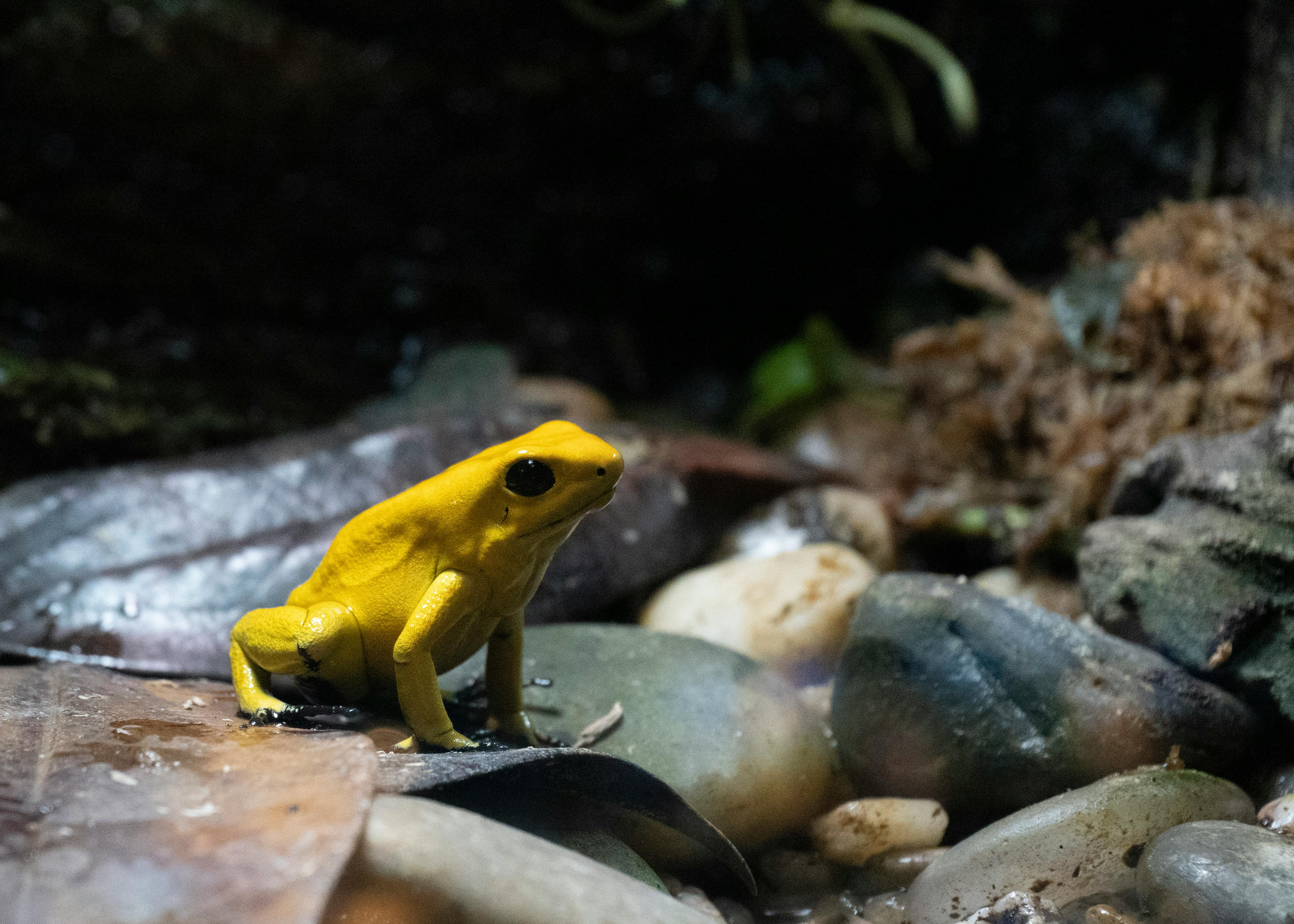
Alexei Navalny, a leading Russian opposition figure, is the subject of a sensational claim that he was "poisoned with deadly dart frog toxin by Vlad's thugs." Short and blunt: this claim is unproven and implausible on current evidence. The verified 2020 incident shows a nerve agent, not frog alkaloids, and the political motive is consistent with long-standing patterns of attacks on dissidents.
Key Takeaways
- Allegation: Dart-frog toxin claim is circulating but not supported by public forensic evidence.
- Verified fact: In 2020 Navalny was found to have been poisoned; labs reported a Novichok-class nerve agent. See BBC, NYTimes, Bellingcat.
- Motive: Political suppression fits known patterns, though specifics matter for proof and legal accountability.
- Skepticism: Social media amplifies sensational claims; independent labs and investigative journalism remain the best sources.
What is this allegation?
Short and direct.
The claim says Mr. Navalny was poisoned with a toxin from dart frogs and that agents tied to Vladimir Putin carried it out, but independent forensic reporting after Navalny’s 2020 collapse points to a Novichok nerve agent and not amphibian alkaloids, and no reputable lab has published evidence of frog toxin exposure in Navalny’s case. Shocking as the frog angle is, we must weigh it against documented forensic results, intelligence findings, and investigative reporting from outlets like the BBC and The New York Times, which I’ve tracked closely in prior coverage. Sensible skepticism? Yes.
What is the background on Alexei Navalny?
Short summary.
Navalny is a Russian anti-corruption campaigner and opposition politician who rose from lawyer and blogger to the most visible domestic critic of the Kremlin, building a career on exposing elite corruption, surviving arrests and legal pressure, and turning public image into a political brand with strong media coverage and a base among younger voters; his career and public image make him a target for political controversy and state pushback. Remember: people are more than headlines — his public record includes legal cases, activism, and an attempt to run for office. Real life is complicated.
Core Details / Context
Short and blunt.
- The known 2020 poisoning: Short fact. Multiple labs in Germany detected a Novichok-class nerve agent in Navalny’s system after he fell ill on a flight in August 2020, and he was subsequently treated in Omsk and then Germany, where forensic tests were run. BBC and NYTimes reported the findings.
- Investigations and attribution: Short statement. Independent investigative groups like Bellingcat, supported by news outlets, traced movements of Russian security agents and produced evidence suggesting involvement of state actors, though direct courtroom verdicts remain sparse and political accountability is limited. Dangerous game? Often.
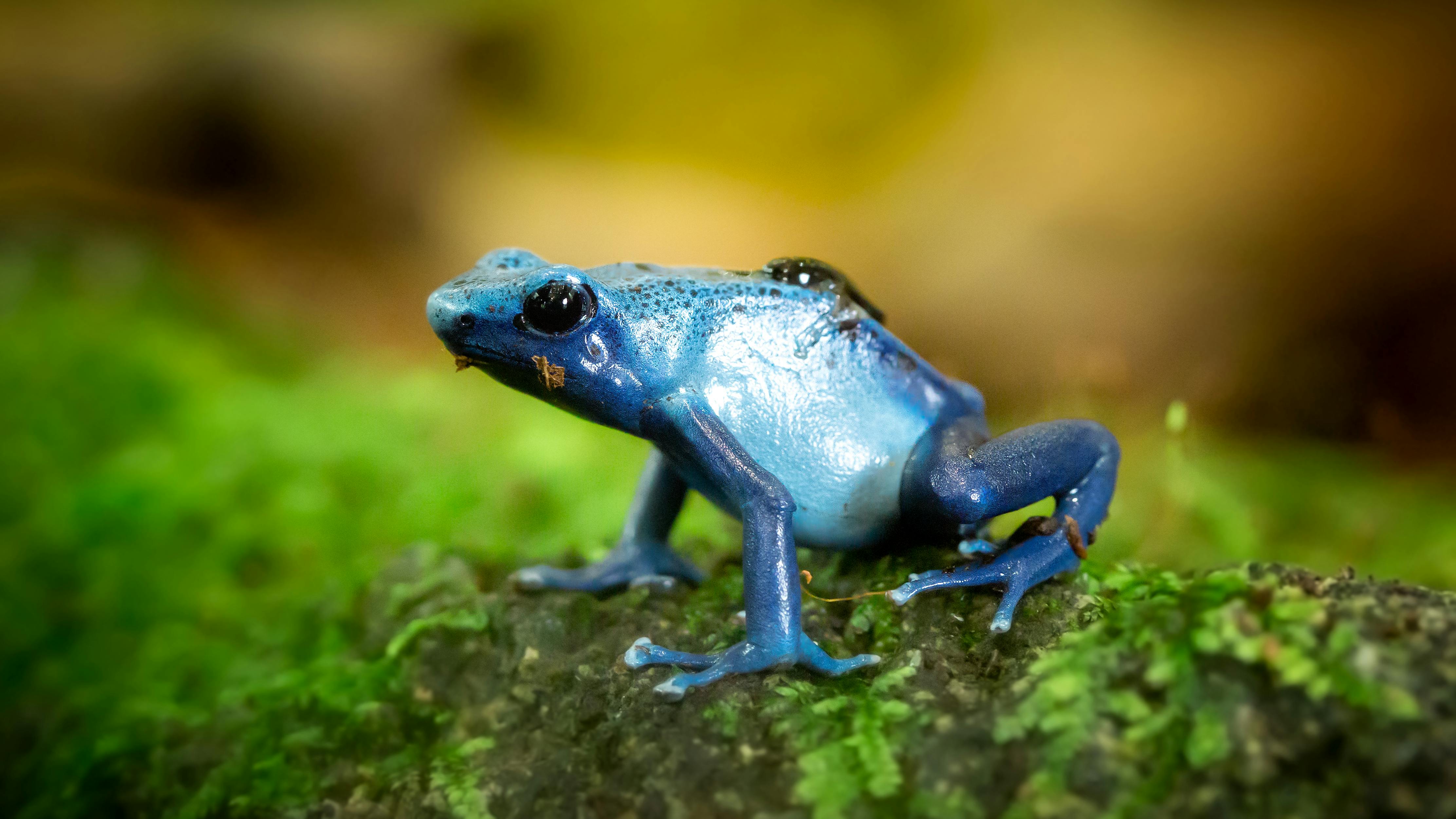
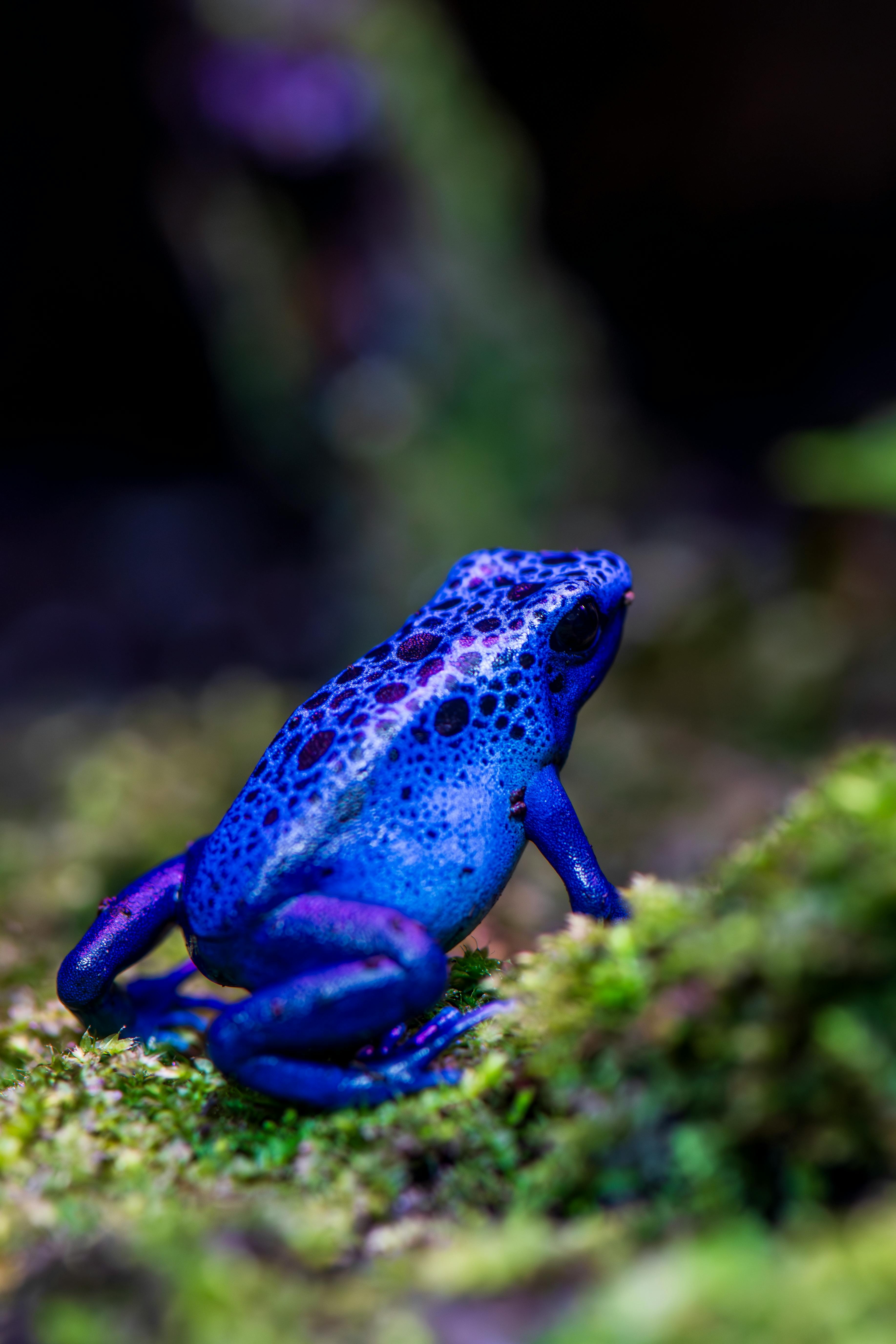
- The frog-toxin claim: Short warning. Dart-frog alkaloids (batrachotoxins and similar compounds) are extremely potent in some species but are very different chemically and forensically from organophosphorus nerve agents like Novichok — and no credible forensic report shows such toxins in Navalny’s samples.
Timeline / Step-by-step
- Early life and career. Short note. Navalny trained as a lawyer and became known for anti-corruption blogging and exposing oligarch networks, building a public image that mixed charisma, controversy, and a record of legal fights; his achievements include mass online outreach and investigative leaks.
- Rise as opposition leader. Short note. He ran anti-corruption campaigns, organized rallies, and launched a political movement that challenged the Kremlin’s narrative, making him a central figure in Russian politics and a target for persecution.
- August 2020 poisoning event. Short fact. Navalny fell ill on a domestic flight in Russia in August 2020; the plane made an emergency landing in Omsk, and he was airlifted to Germany for treatment. Labs in Germany reported traces of a Novichok-class nerve agent in his system. See Reuters and CNN for reporting.
- Investigations pointing to state agents. Short claim. Investigations by Bellingcat and partners tracked Russian security-service travel and matched it to Navalny’s itinerary, producing circumstantial but persuasive evidence of targeted action consistent with pattern seen in other cases; I watched that reporting carefully; it's thorough and worth reading.
- Aftermath and legal consequences. Short look. Navalny recovered in Germany, returned to Russia in 2021, was arrested, and later imprisoned on charges widely seen as politically motivated; he remains a symbol of dissidence and controversy — which again shows that dignity and frailty coexist in public life.
Comparison Table
Below is a Markdown table comparing the viral dart-frog allegation to the documented Novichok finding.
| Criteria | Allegation: Dart-frog toxin (viral claim) | Verified case: Novichok-class nerve agent (documented 2020 poisoning) |
|---|---:|---:|
| Evidence from independent labs | No public forensic evidence linking Navalny to frog toxins | Multiple German labs reported Novichok-class compounds in Navalny’s system (public reporting exists) |
| Chemical traceability | Amphibian alkaloids are distinct and leave different biomarkers; none reported | Specific organophosphate markers and medical signs consistent with nerve agents reported |
| Plausibility for covert assassination | Possible in theory but logistically awkward and rare; sourcing and delivery too conspicuous | Historically used in targeted attacks; previous cases (e.g., Skripal) show plausibility |
| Attribution to state actors | Viral claims assert state involvement, but lack forensics to tie agents to state | Investigations by journalists and intelligence reports point to state-linked actors; circumstantial evidence strong |
| International response | Viral claims produce shock but limited diplomatic action without proof | Novichok finding triggered international condemnations and sanctions talk |
Common Misconceptions / What to Know
Short correction.
People assume that a sensational headline equals proof, and social platforms reward the wildest theory, but sober journalism relies on lab reports, chain-of-custody, and documented investigative work; the frog-toxin story is a headline without published forensic backing, whereas the Novichok finding has lab corroboration and investigative footprints. Believe the paperwork, not the screams.
- Myth: Any bizarre toxin proves state assassination. Short answer. Not true — extraordinary chemical claims require extraordinary lab documentation and chain-of-custody, and without that they remain conjecture; here’s the kicker: the chemical differences between amphibian alkaloids and organophosphates are huge, and each leaves distinct clinical signs and lab traces.
- Myth: Social media eyewitnesses can replace labs. Short retort. Eyewitnesses and anonymous sources can be helpful but cannot replace controlled forensic testing; media coverage should prioritize the latter, and I’ve seen too many stories go off-rails without it.
- Myth: If someone says ‘Vlad’s thugs’ it’s automatically true. Short pushback. Political motives often explain attempts on dissidents, and state-linked action is plausible given the pattern in Russia; however, accusations require evidence to meet legal and ethical standards, and charity in judgment — recognizing human fallibility — should temper immediate condemnation.
Frequently Asked Questions
Q1: Was Alexei Navalny actually poisoned? Short: Yes, in 2020 he was poisoned.
A1: The documented fact is that Navalny fell seriously ill in August 2020 on a domestic flight, was hospitalized, and German laboratories later reported the presence of a Novichok-class nerve agent in his system; this is reported by mainstream outlets and investigative groups. See BBC.
Q2: Is the dart-frog toxin claim true? Short: No credible evidence yet.
A2: The dart-frog toxin rumor lacks published forensic support; no reputable lab has released findings showing amphibian alkaloids in Navalny’s samples, and the published forensic work points to organophosphate nerve agents instead. See Bellingcat.
Q3: Who would benefit from this narrative? Short: Many actors.
A3: Sensational narratives benefit state propaganda, opposition mythmaking, and click-driven publishers; each has reasons to exaggerate. The truth is often smaller and meaner — a political attack, not a movie plot.
Final Thought
Short and frank.
The frog-toxin headline is a shiny splinter that draws clicks but not evidence, and the real story is grimmer and better-documented: a 2020 poisoning consistent with a Novichok-class nerve agent that fits a pattern of attacks on Russian dissidents. When I tracked the original reporting, I noticed thorough forensic detail and investigative photos that hold weight, and I also noticed social churn that turns rumor into accepted fact without proof. The dignity of persons matters here — accusations can destroy reputations and lives, so we should demand rigorous proof before declaring a culprit. Remember, suspicion without evidence is cheap; proof costs time and meticulous work. Short final: demand evidence.
Related reading and internal pages: see our Politicians section for political profiles, our Legal hub for court developments around public figures, and our Gossip column for how rumors spread. When I followed the Navalny case across outlets I used these rigorous sources to separate noise from proof.