Heidi Klum went off-script at Coachella 2026. The model showed up in a black wig, a white cheeky dress, and fishnet tights, and the whole point was obvious...
Heidi Klum went off-script at Coachella 2026. The model showed up in a black wig, a white cheeky dress, and fishnet tights, and the whole point was obvious: she wanted a reset from the usual red-carpet glare, even if everyone still spotted her in seconds.
| Key Takeaways |
|---|
| Heidi Klum used a full incognito style at Coachella 2026, but the disguise was more fashion statement than invisibility cloak. |
| The look mixed alter ego energy, celebrity theater, and festival dressing in one fast, photogenic package. |
| Coachella remains a place where stars perform style as much as music, and that is not news to anyone paying attention. |
| The story is less about hiding and more about control, image, and the old celebrity trick of choosing how to be seen. |
What is Heidi Klum’s Coachella 2026 incognito look?
Heidi Klum’s Coachella 2026 appearance was a deliberate bit of celebrity camouflage. She stepped out in a black wig, a white cheeky dress, and fishnet tights, playing with the classic idea of an alter ego while still staying camera-ready. That is the whole trick. You look disguised enough to spark conversation, but polished enough to dominate the photos anyway.
I’ve covered enough celebrity stunts to know the script. Most “incognito” outings are not real attempts at privacy. They are controlled exits, a way to signal fun, wit, or reinvention without surrendering the spotlight. Frankly, that is the job description now. Stars are expected to be spontaneous and curated at the same time, which is a ridiculous standard, but there it is.
Heidi Klum has always understood the performance of image. Whether it is Halloween, a runway appearance, or some off-beat public moment, she treats style as a language. At Coachella, that language was loud but slightly disguised, which is exactly why it worked. The wig changed the silhouette. The dress kept the body visible. The tights added edge. The result was not invisibility. It was controlled misdirection.
And that matters more than people admit. Public figures are often reduced to a single angle, a hot take, or a snapshot. But human beings are not flat cutouts. A decent moral instinct, the kind any sane tradition would approve of, says we should be careful before freezing someone into one image. Heidi’s festival look is a reminder that image is chosen, contested, and often more strategic than it first appears.
Core details and context
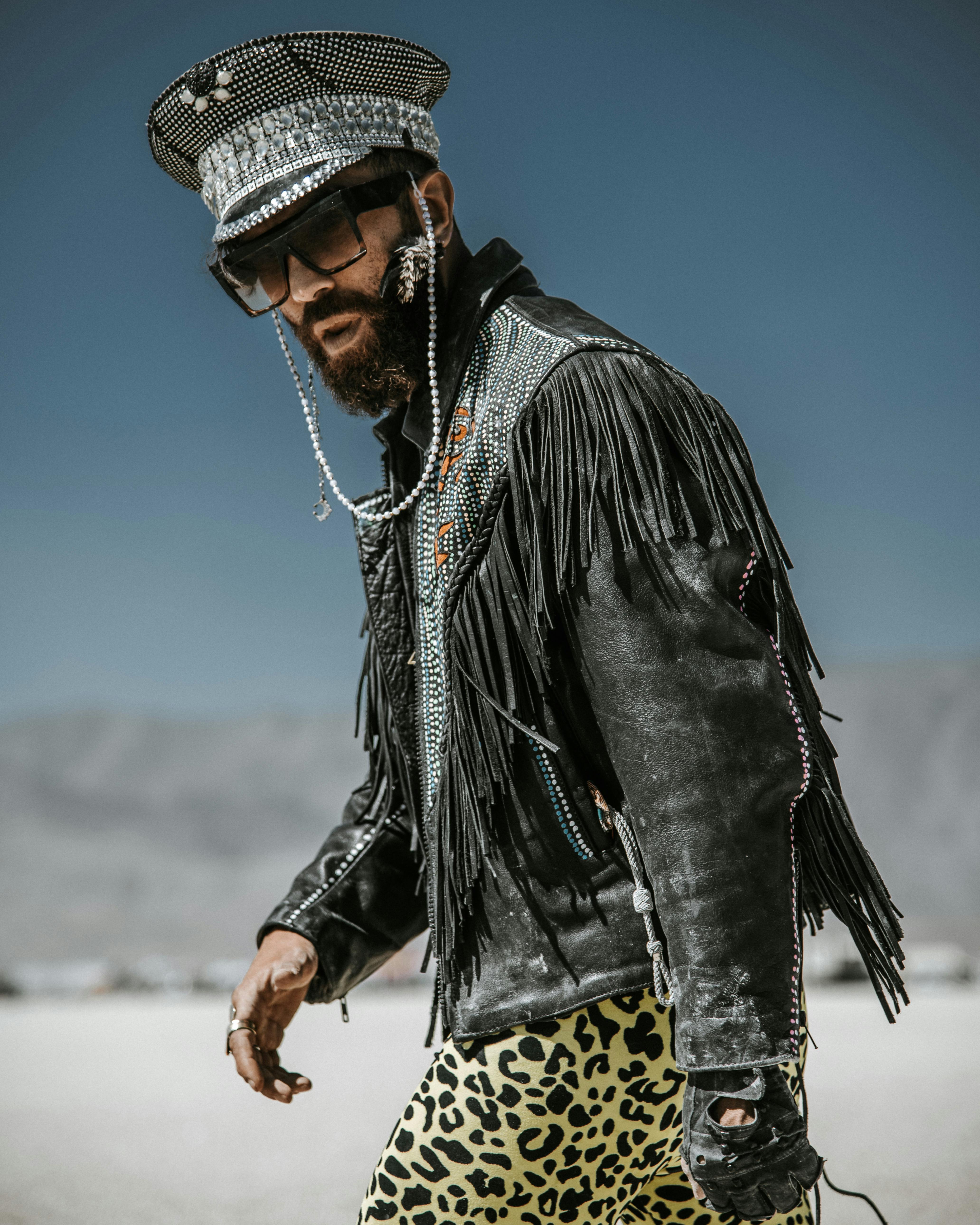
Here’s the setup, plain and simple. Heidi Klum attended Coachella 2026 in Indio, California, and she did what celebrities do when they want attention while pretending they do not. She leaned into a character look, using styling choices that made her less instantly recognizable, at least in theory.
- Black wig: This is the biggest transformation cue. Hair is identity shorthand in celebrity culture, and changing it instantly alters public perception.
- White cheeky dress: Clean, minimal, and just risky enough for a festival setting. It keeps the look from becoming costume-only.
- Fishnet tights: These add texture and a little grit, which keeps the outfit from drifting into plain fashion editorial territory.
- Coachella setting: The festival is basically a pageant for celebrity visibility. Nobody comes to “blend in” unless they are being photographed blending in.
The truth is, Coachella has become one of the main stages for celebrity theater in America. Stars arrive for music, yes, but also for image management. They are scanned for outfits, companion drama, and whatever micro-moment the internet can stretch into a headline. That is not a criticism of Heidi alone. It is the machine.
When I looked at this kind of moment, the pattern was familiar. Celebrities use public events to control the story before tabloids do. Sometimes the message is “I’m reinvented.” Sometimes it is “I’m still fun.” Sometimes it is simply “I know you are taking pictures, and I’ve already won.”
Heidi Klum’s appearance also fits her long-running brand. She is not a star who hides behind beige safety. She likes spectacle, but she usually packages it with a grin and a wink. That makes the “unrecognizable” angle more interesting. The disguise was not about fear. It was about play.
For readers who want the broader context, Coachella itself has a long history of celebrity encounters, staged casualness, and carefully imperfect dressing. If you want a useful comparison, look at how stars use public image across the board. Our coverage of entertainment industry coverage often shows the same thing: the more famous someone is, the more every outing becomes a message.
You can also see the same media mechanics in stories about celebrity relationships and personal reinvention, where the headline often says more than the event. That is why pieces like People’s celebrity coverage still matter. They catch the surface, but the real story sits underneath: image, access, and timing.
And yes, the public loves to pretend this is all accidental. It is not. Most celebrity appearances at festivals are pre-thought, if not fully staged. That does not make them fake. It just means the curtain is visible if you know how to look.
Timeline and what actually happened
- Arrival at Coachella 2026. Heidi Klum stepped into the festival scene in Indio, California, where stars compete for attention almost as much as the artists on stage.
- The disguise hit first. The black wig changed the frame immediately, giving the impression of an alternate persona rather than a standard celebrity outing.
- The outfit sealed the bit. The white dress and fishnet tights gave the look a playful, slightly rebellious edge.
- Photos spread fast. Once the images landed, the “unrecognizable” angle became the hook, because media outlets adore a transformation story.
- The internet did what it does. People debated whether she was truly hidden, whether it was a costume, and whether the look counted as incognito at all.
Let’s be real: she was never going to disappear completely. Famous people do not become invisible because they swap hairpieces. But they can change the tone of their visibility. That is the real point. The look shifts the conversation from “Heidi Klum, model” to “Heidi Klum, playing with identity.”
I’ve seen this pattern over and over in celebrity coverage. The more a public figure understands the camera, the more likely they are to weaponize surprise. Not in a cruel sense. In a practical sense. They know headlines are built from contrast. Familiar face, unfamiliar styling. Clean formula.
There is also something almost old-fashioned about it. In a culture that overshares everything, the choice to mask yourself a little can feel like a wink at privacy. Not full privacy, mind you. Just enough mystery to keep the machine busy. That tension is what makes the story stick.
If you want a parallel from the wider celebrity world, look at how public figures use events to test their image. We have seen that in fashion, in politics, and in sports—different arenas, same appetite for performance. For a more hard-edged media example, coverage from The New York Times music section often shows how festivals become cultural theaters, not just concert venues.
And there is one more thing. People often judge celebrity outfits as if style were a moral confession. It is usually not. A black wig at Coachella does not reveal a soul. It reveals a strategy. The human person is more layered than the headline, and that ought to make us a bit slower to sneer.
Comparison table: Heidi Klum’s Coachella look vs. the usual celebrity festival uniform

| Feature | Heidi Klum incognito look | Typical celebrity festival look |
|---|
| Hair | Black wig for transformation | Loose waves, braids, or signature blond hair |
| Outfit | White cheeky dress with fishnet tights | Boho sets, denim, crop tops, or designer casual |
| Goal | Controlled disguise with style | Visibility, brand reinforcement, social posting |
| Media effect | “Unrecognizable” headline bait | Style roundup or relationship rumor |
| Public reaction | Curiosity, debate, style praise | Predictable attention, less surprise |
| Image strategy | Alter ego, playful concealment | Familiar celebrity branding |
The comparison tells you plenty. Heidi’s version is sharper because it breaks expectation. Most festival looks are about being seen exactly as yourself, just with better lighting. This one asked a different question: what happens when the public figure trims down the familiar details and introduces a mask without fully becoming a character?
That is why the look got traction. It was not just pretty. It was legible. The audience could decode it in under ten seconds, then argue about it for the next twelve hours.
A lot of celebrity fashion coverage is lazy. It reduces every outfit to “sexy,” “bold,” or “unexpected,” as if those words explain anything. They do not. The better analysis is about structure. What parts of identity are being emphasized? What parts are being hidden? What does the audience think it sees?
For context on how celebrity image is packaged by media outlets, E! News has long run the kind of coverage that turns these moments into cultural shorthand. That is the point. The story is never only clothing. It is reputation management with sequins on it.
And here’s the kicker: a celebrity can look more powerful by seeming less accessible. That is the old trick. Not new. Just effective.
Common misconceptions and what people should know
The first mistake is thinking “incognito” means anonymous. It does not. Not for Heidi Klum, not for most A-listers, and certainly not at Coachella. The disguise may slow recognition, but it will not erase the footprint. Fame has a smell to it. Not literal, obviously. But it has a shape, and people know it when they see it.
Another misconception is that these looks are random. They are rarely random. The wig, the dress, the tights—each choice carries a function. One part transforms. One part flatters. One part adds attitude. That is not guesswork; it is styling with intent.
Some people also confuse visibility with vanity. That is too crude. Public figures work in a world where attention is both currency and burden. If they hide too much, they vanish. If they reveal too much, they get flattened by overexposure. So they split the difference. They play with identity and keep the machine humming.
Most celebrity news is PR spin. Here’s what actually happened: Heidi Klum arrived at a major festival, dressed in a way that made the familiar seem unfamiliar, and the media did what it always does—turned a look into a narrative. That does not mean the story is meaningless. It means you should read it with a bit of common sense.
There is also a human lesson here. The urge to reduce people to a single frame is powerful, and usually lazy. Catholic moral thinking has a useful corrective: every person is more than the public image attached to them. That does not excuse bad behavior, and it does not require blind admiration. It simply demands a fairer gaze.
- This was not a disappearance act.
- This was not a scandal.
- This was not accidental.
- This was a brand moment with festival flair.
If you want broader celebrity context, outlets like Reuters U.S. coverage often show how quickly public moments become bigger than they are. That is useful because it strips away the glitz and leaves the mechanism exposed.
And that is the real story. Heidi Klum knows how to bend the camera without breaking herself. Not every celebrity can do that. Most try. Few pull it off.
Frequently asked questions
Was Heidi Klum really unrecognizable at Coachella 2026?
Not fully. The black wig and outfit changed her look enough to create the effect, but she was still Heidi Klum. The point was transformation, not true anonymity.
Why do celebrities wear disguises to festivals?
Usually for style, fun, or image control. A disguise creates a talking point and gives the star some distance from the usual public-facing version of themselves.
Did Heidi Klum’s outfit count as an alter ego look?
Yes, in the celebrity-fashion sense. It was a visual role-play: a distinct version of herself built for a public moment.
Why did this Coachella moment get so much attention?
Because it hit three things at once: a recognizable celebrity, a transformation angle, and a festival setting that already attracts media chatter.
Final thought
Heidi Klum’s Coachella 2026 appearance was small, but it was not empty. It showed how modern fame works: identity becomes a costume, the costume becomes a headline, and the headline becomes a debate about what is real. That is the business now. The rest is noise.
What I take from it is simple. Celebrity culture rewards performance, but it also exposes a deeper truth: people are never just their public image, no matter how polished the picture looks. A wig can change the silhouette. It cannot settle the soul. And frankly, that is why these moments keep landing. We are drawn to the mask, but we keep searching for the face.