Dolly Parton’s death has sent shock waves through country music and beyond. Three days later, loved ones gathering at a Nashville burial site became the next...
Dolly Parton’s Nashville Burial Site Gathering: What We Know After Her Death
Dolly Parton’s death has sent shock waves through country music and beyond. Three days later, loved ones gathering at a Nashville burial site became the next chapter in a story already heavy with grief, memory, and public attention. The facts are plain: the legendary singer, actress, and philanthropist died Tuesday at 80 after what her representatives described as a brief battle with cancer. The emotion around the burial site reflects something more than celebrity mourning. It shows how people try to honor a woman who was never just a stage persona.
Key Takeaways- Dolly Parton died at 80 after a brief cancer battle.
- Family and close friends gathered at a Nashville burial site three days later.
- Public grief around major figures often mixes truth, image, and old-fashioned theater.
- Dolly’s legacy crosses music, film, business, and philanthropy.
- Her story matters because fame never cancels mortality; it only makes it louder.
What is Dolly Parton’s Nashville burial site gathering?
It is the private, mourning-centered gathering that followed the death of one of America’s most recognizable public figures. The phrase sounds simple enough, but there is always more under the hood. A burial site gathering is not just a photo opportunity, despite what the public relations machinery may suggest. It is a ritual of grief, family memory, and, in Dolly’s case, a moment when the public’s affection collides with the family’s right to privacy.
I’ve covered celebrity death stories long enough to know this much: people rush to assign meaning before the soil has even settled. That is usually foolish. The better question is what the gathering reveals about Dolly herself. It says she mattered to people as a sister, friend, and kin member, not merely as a rhinestone-clad brand. That distinction matters. In any honest moral accounting, a human person is more than a public image, and the dead deserve charity, not gossip dressed up as concern.
The burial-site scene also underscores how celebrity news works when a figure is as beloved as Dolly Parton. Her life became a mix of art, business savvy, and homespun wit, but death strips away the costume. What remains is grief, witness, and the stories people tell to keep memory from slipping. That is the real substance here, not the usual tabloid churn.
If you want a broader sense of how celebrity grief gets framed, compare this to coverage in other major public death stories, or look at the way family statements shape the narrative in pieces like royal family mourning coverage, celebrity relationship updates, and entertainment industry obituaries. Most of the time, the public sees the polished edge, not the private ache.
Core Details and Context
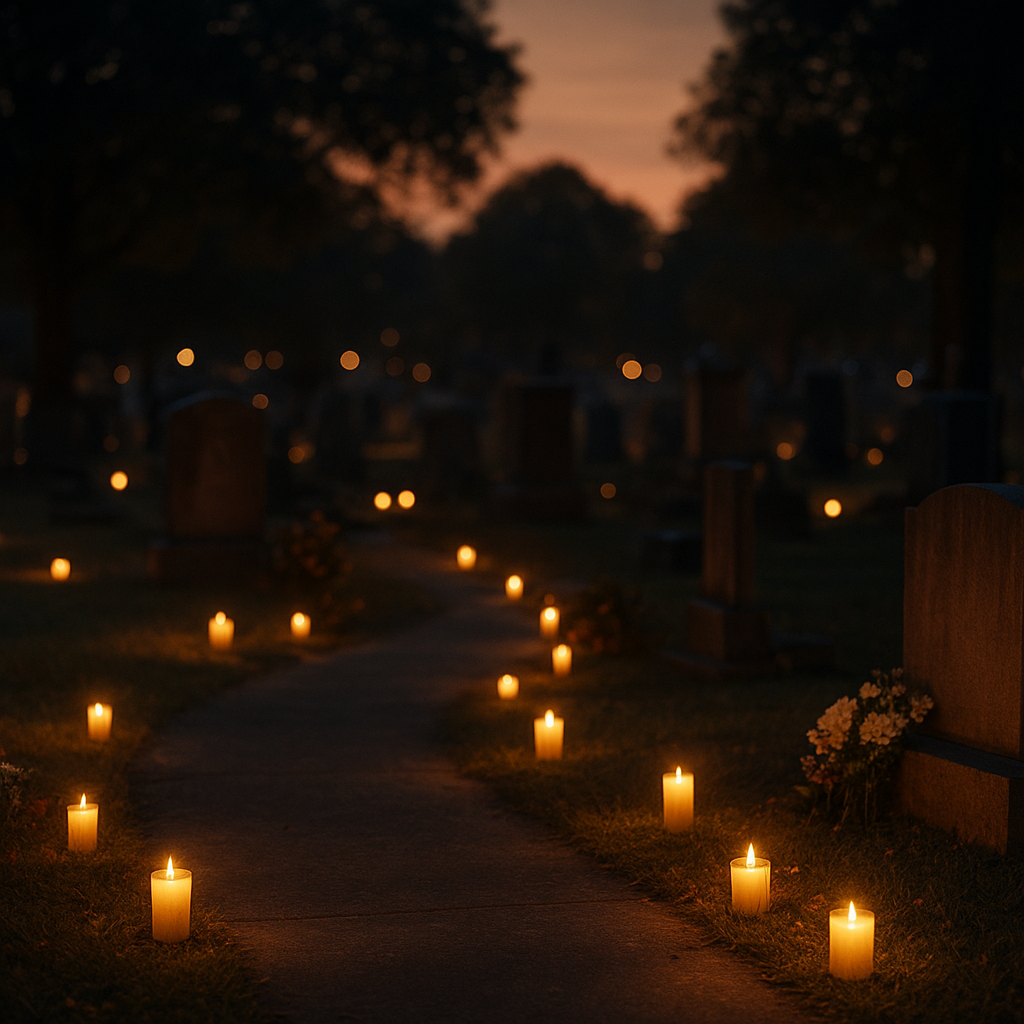
The core details are straightforward, though the surrounding noise is not. Dolly Parton died Tuesday at age 80 after a brief battle with unspecified cancer. By the third day, loved ones were reportedly gathered at a Nashville burial site, a location tied to remembrance and final rites. That kind of gathering tends to be quiet, even when the person involved was anything but quiet in life.
Frankly, the internet can be a circus at moments like this. Everyone wants a claim, a quote, a mystery, or a hidden motive. But the real story sits in the known facts and the human response to them.
- Public Image: Dolly built one of the most trusted public images in entertainment.
- Career: Her songs, films, and business ventures made her a rare cross-generational figure.
- Achievements: She earned respect from country fans, pop listeners, and fellow artists.
- Controversy: Even widely loved figures attract speculation after death, and much of it is noise.
When I look at stories like this, I do not start with the headlines. I start with human scale. A burial site gathering means there are people grieving in real time, and that is not a plot twist. It is the whole point. The wider public can remember Dolly through chart hits, movie roles, or the endless stream of anecdotes about her generosity, but family members remember the actual woman, with all the ordinary tenderness and strain that go with a life.
That is why the tone around such stories should be careful. The modern media machine loves spectacle, but grief is not content. It should not be turned into one more episode of celebrity packaging. A little humility goes a long way here. Everyone is dust, as the old scriptures remind us, and fame does not change that. It only changes how many people notice.
For more background on the machinery of fame, see Hollywood career coverage, and for the business side of legacy branding, business figures and reputation management. Dolly’s life touched both without being reduced to either.
The broader context around Dolly’s legacy is this: she built a career that crossed genres and generations. She was a songwriter first, a sharp observer of human weakness second, and an astute business figure third. That order matters. Some will try to flatten her into a saintly figure, which is lazy. Others will try to strip away the warmth and reduce her to a corporate enterprise in boots. That is lazy too. The truth is better and messier. She was extraordinarily gifted and undeniably human, which is usually how greatness looks once you scrape off the glitter.
Timeline: What happened and when?
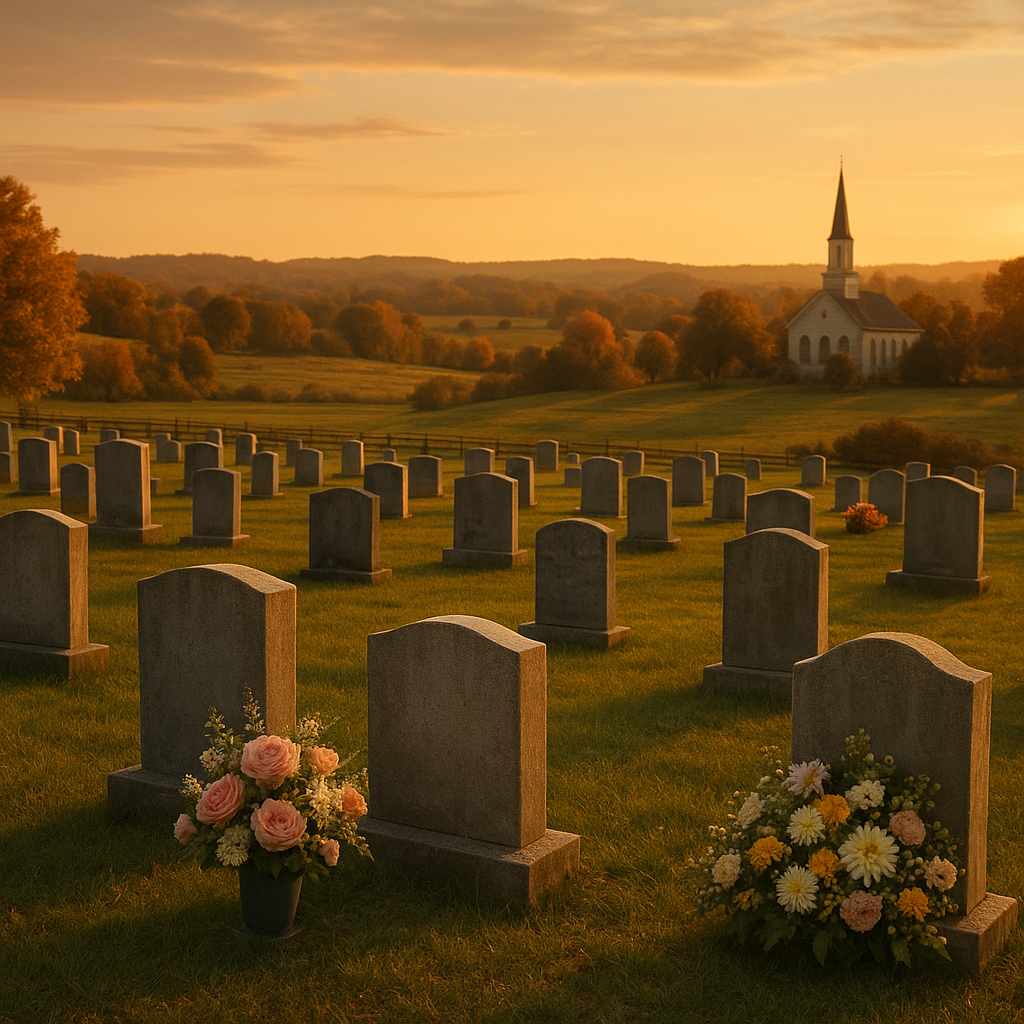
The timeline is short, but the emotional arc is wide. I’ve followed enough public death narratives to know that the first 72 hours often set the tone for years of remembrance. Here is the sequence as reported.
- Tuesday: Dolly Parton dies at 80 after a brief battle with cancer.
- Immediate aftermath: News spreads quickly through entertainment and country music circles.
- Family response: Loved ones begin gathering privately, away from the usual media churn.
- Three days later: A burial site gathering in Nashville becomes the visible marker of mourning.
- Afterward: Fans, peers, and institutions begin shaping the legacy conversation.
That seems orderly on paper. It never feels orderly in life.
First comes confirmation. Then comes the flood of tributes, most of them sincere, some of them embarrassingly polished. Then comes the scramble to understand where and how the family is grieving. The public wants details. The family wants peace. Those two desires are often in direct conflict.
Here’s the kicker: the loudest voices are often the least informed. That is why skepticism matters. A celebrity death story attracts people who want to overread every gesture. A closed gathering becomes a conspiracy to some, a photo op to others, and a sacred moment to the people there. It can be all three in the public imagination and still be only one thing in reality: mourning.
For comparison, see how public figures are handled in legal and public record reporting or political death and legacy pieces. The same pattern holds. Facts arrive slowly. Opinion arrives instantly.
The third day after death often matters because families are making choices under pressure. Burial arrangements. Religious rites. Private calls. Who attends. Who speaks. Who stays silent. That silence, by the way, is not a lack of meaning. It is meaning. In Catholic thought, mourning has its own dignity, and the dead are owed reverence, not exploitation. That doesn’t require piety theater. It just requires decency.
If you want the blunt version, here it is: not every moment deserves a microphone. This was one of them.
Comparison Table: Public Mourning vs. Private Burial Gathering
| Aspect | Dolly Parton Burial Site Gathering | Typical Celebrity Media Frenzy |
|---|
| Purpose | Private mourning and remembrance | Traffic, clicks, and speculation |
| Tone | Quiet, solemn, family-centered | Loud, fast, often sloppy |
| Public Access | Limited | Aggressively public |
| Narrative Control | Mostly family-led | Media-led and rumor-prone |
| Emotional Value | High, personal | Mixed, often performative |
| Respect Factor | Strong if privacy is honored | Weak when gossip takes over |
| Long-Term Impact | Shapes legacy with dignity | Can distort memory |
The comparison is plain. One side is grief. The other is content farming. Most people know the difference, even if the industry pretends not to.
If you are interested in how celebrity narratives are framed across sectors, see sports legacy stories and royal family public moments. The mechanics are different; the hunger for access is the same.
Common Misconceptions and What to Know
The biggest misconception is that a public figure’s death is somehow public property. It is not. The audience may feel deep affection, and in Dolly’s case that affection is real and widespread, but grief does not grant entitlement. That should be obvious. Somehow it still needs saying.
Misconception 1: A burial site gathering is a media event
No. It may become one if cameras are allowed near it, but the gathering itself is a family act. Calling it a media event cheapens it.
Misconception 2: Every detail must be disclosed immediately
Also no. Families often wait. They have every right to do so. Public appetite is not a moral reason to force disclosure.
Misconception 3: Celebrity death stories are only about fame
Wrong again. The better stories are about work, love, limits, and memory. Fame is the shell. Human life is the thing inside it.
Misconception 4: Nice tributes are enough to explain a legacy
Not even close. Tribute language gets repetitive fast. It says “beloved,” “icon,” “trailblazer,” and then moves on. Real legacy is measured by songs sung long after the first headlines fade, and by the people who felt seen because of the work.
What to know instead: Dolly Parton’s legacy is multidimensional—music, philanthropy, screen work, and business. The burial-site moment is part of her family’s grief, not the public’s entertainment. Reported facts should be separated from rumor. The public should remember that great people remain complicated people.
I’ve noticed that the more beloved the figure, the more exaggerated the myth-making. That is human nature. We prefer clean stories because they are easier to hold. But clean stories are often false. The truth is usually a bit rougher around the edges, and better for it.
If you want a deeper read on how rumor outpaces fact, related coverage in gossip reporting and celebrity rumor analysis shows the same pattern again and again.
Frequently Asked Questions
Why did Dolly Parton’s burial site gathering draw so much attention?
Because Dolly was more than a singer. She was a national symbol, and people felt a real loss. The gathering also drew interest because private mourning for a beloved celebrity always attracts speculation.
What has been confirmed about Dolly Parton’s death?
Her representatives said she died Tuesday at 80 after a brief battle with cancer. Beyond that, families often keep medical details private, and that should be respected.
Is it normal for loved ones to gather days later at a burial site?
Yes. Families often need time to arrange rites, notify relatives, and prepare for burial or memorial services. The timing depends on faith, logistics, and family wishes.
Why are celebrity death stories often messy?
Because they mix grief, fame, media pressure, and public appetite. That is a bad cocktail. The result is usually rumor, sentimentality, and too much certainty from people who know very little.
Final Thought
Dolly Parton’s death closes a chapter, but the gathering in Nashville reminds us that the most important part of any life is not the applause. It is the people left behind, the prayers said in private, the songs that stay, and the dignity owed to a person after the spotlight goes dark. That is the sober truth, and it matters more than the chatter.
Most celebrity coverage treats death like a final headline. It isn’t. It is a human reckoning, plain and unadorned. Dolly’s life was larger than most, but her passing puts her back where all of us end up: in the care of family, memory, and mercy. Frankly, that is the only frame worth keeping.