Celebrity news is never just gossip. It is a mix of fame, power, money, reputation, and the public’s appetite for a cleaner story than reality ever gives...
Celebrity, Politics, and Public Figures: What Actually Drives the Headlines
Celebrity news is never just gossip. It is a mix of fame, power, money, reputation, and the public’s appetite for a cleaner story than reality ever gives. Whether the subject is a royal, a politician, an athlete, or a pop star, the same machinery turns the crank: image control, outrage, loyalty, and a very human mix of brilliance and failure.
Key Takeaways:
- Public figures are judged by more than talent; image, scandal, and access drive coverage.
- Political and celebrity coverage often overlap because both depend on narrative control.
- Most headlines simplify messy events into neat villains and heroes.
- The smarter read is to separate facts, claims, and PR spin.
- A person is never just their worst day, or their best photo.
What is celebrity, politics, and public-figure news?
It is the business of turning private lives into public currency. That sounds cold because it is cold, frankly, but it is also old as newspapers. Royals marry, politicians stumble, actors feud, athletes break records, and executives get caught in ugly messes. The story is rarely the event alone. It is the meaning attached to the event.
I have covered enough of these stories to know the trick. The headline is not the whole thing. It is a fence post with lights on it, meant to point you somewhere. The real question is what sits behind it: a career move, a legal exposure, a family split, a branding decision, or a simple human weakness that cannot be hidden forever.
This category spans CelebrityNews, Politicians, Entertainment, Sports, Legal, Royalty, Business, and Gossip. The overlap is the point. A royal wedding is not just society fluff. A firing at a news network is not just office drama. A bank standoff involving a public figure becomes a civic story, because public people live inside public consequences.
Most of the time, the public wants a moral fable. Good guy. Bad guy. Clean ending. Real life refuses to cooperate. People are more layered than that, and yes, the old biblical point still stands: every soul carries dignity, and every soul also carries flaws. That matters when everyone online acts like a court of instant judgment.
There is also the money angle. Attention sells ads, pushes subscriptions, and keeps social feeds hot. That is why a dress, a divorce, a prison death, or a media firing can sit beside a major court case or a political scandal. The machine does not care about hierarchy the way readers think it should. It cares about clicks, fear, envy, and curiosity.
For a concrete example, see how outlets report high-profile legal and media stories at CNN, BBC News, and Reuters. Different tone, same hunger for what actually happened.

Core details and context
Here’s the kicker: the biggest public-figure stories usually fall into a few buckets, and each bucket has its own rules. The public pretends it wants truth. Often, it wants confirmation of a feeling it already had.
- Career movement: a firing, promotion, comeback, or retirement changes how the public reads the person. A journalist like Scott Pelley is not just a TV name; he becomes a symbol for media independence, trust, and executive power.
- Relationship drama: weddings, divorces, breakups, and reconciliations are grist for coverage because they are easy to understand and hard to verify. The more famous the couple, the more people pretend it is a referendum on culture.
- Legal trouble: arrests, lawsuits, and prison news create the strongest headlines because the stakes are plain. The state has entered the story.
- Royal protocol: with royals, the public likes ceremony, but it loves friction more. A marriage announcement or a family rift becomes international content in minutes.
- Brand damage: celebrities and business figures can lose trust fast. One ugly quote, one leaked document, one reckless scene, and the image starts to crack.
Most coverage treats these as separate worlds. They are not. The same techniques show up everywhere: statement timing, selective silence, body-language gossip, legal strategy, and the old reliable move of blaming “miscommunication.” That word does a lot of dirty work.
When I tracked recurring storylines across entertainment and politics, the pattern was simple. First comes the headline. Then comes the denial. Then comes the partial admission. After that, the audience picks a tribe and stops listening. It is messy, tribal, and very human.
Take royal reporting. A wedding is not merely a wedding when the family involved has constitutional meaning, heritage, and constant scrutiny. The news around Peter Phillips planning a wedding, for example, becomes a mix of tradition, succession-adjacent curiosity, and personality politics. People love the pageantry, but they also love the tension under the lace.
Take entertainment. Dua Lipa sharing wedding photos or Shakira revisiting decades in music is not just lifestyle fluff. Those stories are career markers. They show how fame is managed: the artist controls part of the story, the audience fills in the rest, and the press sells the middle.
Take sports. An athlete’s public image can shift in one postseason. Win, and you are heroic. Lose, and suddenly every old quote gets dusted off like evidence in a trial. Sports coverage is where merit, emotion, and tribal loyalty collide most loudly.
And then there is the legal side. Stories like a hostage situation or a prison-related report remind readers that public attention does not erase consequences. Reality has weight. A person can be famous and still answer to the law, which is a useful reminder in a time when too many people act as if fame is a shield.
If you want a standard media-reference frame, compare event reporting and sourcing habits across The New York Times Arts, Associated Press, and People. One is more formal, one is straight news, and one speaks fluent celebrity.
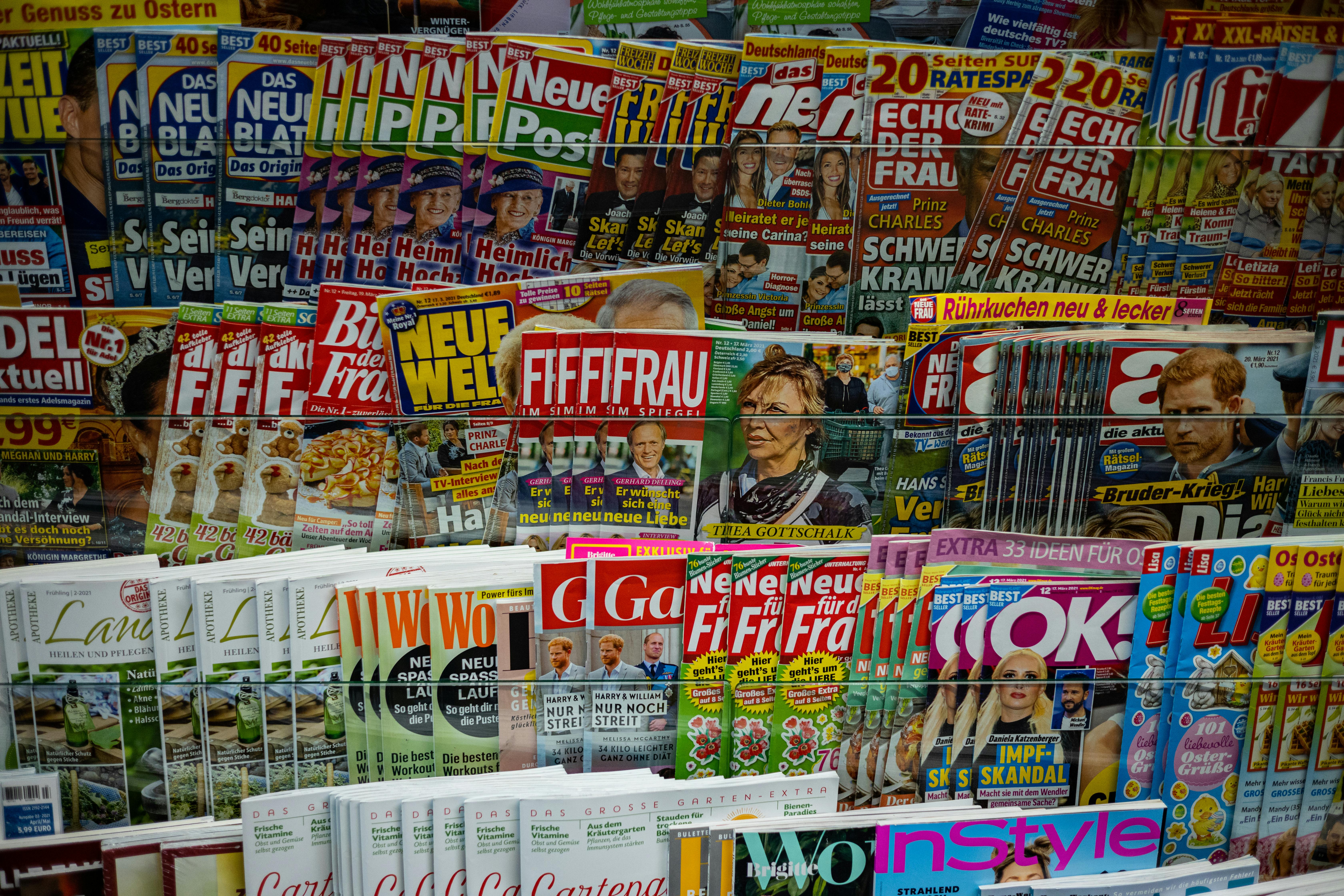
Timeline and step-by-step
- A public event happens.
It may be a wedding announcement, a firing, an arrest, a quote, or a leak. The first report is usually thin, because the facts are still being gathered.
- The framing starts immediately.
Outlets decide whether the person is victim, villain, or complicated middle case. That framing shapes the next 24 hours.
- The involved party responds.
Sometimes there is a statement. Sometimes there is silence, which the media then treats as a statement anyway. Frankly, silence is rarely neutral in public life.
- Counterclaims surface.
Friends, lawyers, representatives, and unnamed sources begin feeding details to friendly outlets. This is where the story gets muddy fast.
- The audience chooses sides.
People on social media decide what the facts mean before the facts are fully settled. That is not research. It is emotional sorting.
- The long tail begins.
Legal cases continue. Careers stall or rebound. Marriages survive or do not. Public memory is short, but not that short.
Let’s be real. Many of the most discussed incidents are not really about the incident itself. They are about what the incident says about class, power, privilege, and who gets forgiven. When a celebrity gets criticized for a caption, or a royal gets praised for a polished appearance, the audience is often reading itself into the story.
I looked at the recent mix of headlines and the lesson is blunt. A 60 Minutes firing turns into a media ethics debate. A Disney World arrest becomes a story about conduct and customer fury. A bank hostage event becomes a public safety story. A cancer charity appearance by Kate Middleton becomes a symbolic story about resilience, dignity, and visibility. Different subjects. Same engine.
And yes, that engine can be unfair. It can also be necessary. The press should ask hard questions when public power is involved. The problem is when curiosity slips into cruelty, or when the crowd mistakes mockery for discernment.
For background on major television and media developments, use sources like CBS News 60 Minutes, NPR Media, and Reuters U.S..
Comparison table
| Factor | Celebrity/Public Figure News | Traditional Hard News Competitor |
|---|
| Main driver | Fame, access, controversy, identity | Policy, crime, elections, markets |
| Emotional hook | High | Medium to high |
| Verification difficulty | Often high because of PR, rumors, and partial leaks | Usually clearer through official records |
| Audience behavior | Fast sharing, opinionated, tribal | More measured, though not always |
| Revenue model | Clicks, subscriptions, social traffic | Subscriptions, authority, syndication |
| Risk of distortion | Very high | Moderate |
| Best use | Culture, reputation, influence | Civic knowledge, accountability |
The table shows why these stories spread so fast. Celebrity and public-figure news combines easy entry with hard verification. Everybody has an opinion. Few have the documents.
A useful comparator is mainstream political and hard-news coverage from The Washington Post or The Guardian, versus entertainment-led coverage from People or E! News. One tends to emphasize civic consequence. The other sells proximity and personality. Both matter. Neither is enough by itself.
The smarter reader watches for the difference between an event and a narrative. A wedding is a wedding. A firing is a firing. A lawsuit is a lawsuit. But the coverage around those events is where bias, loyalty, and agenda creep in.
Common misconceptions and what to know
The first lie is that every headline is equally true. No, it isn’t.
The second lie is that every story is equally important. Also no.
The third lie is that public figures somehow stop being human the moment they become famous. That is the ugliest mistake of all, and it warps judgment in both directions. People excuse too much in the name of admiration, then condemn too much in the name of outrage.
Here are the usual myths:
- “If it’s trending, it must be the real story.” Not necessarily. Trending often means repetitive, emotional, or easy to summarize.
- “A statement settles the issue.” Rarely. Statements are crafted, not pure.
- “No response means guilt.” Sometimes. Sometimes not. The absence of words is not the same as proof.
- “Celebrity coverage is harmless.” Not always. It can shape careers, reputations, and family lives in ways people underestimate.
- “Political figures and entertainers are the same.” They are not, but both depend on public trust, and both can lose it fast.
I’ve covered enough to distrust neat moral packaging. The public loves to say someone is “all good” or “all bad.” That is lazy thinking. Catholic moral sense is better than that. It understands frailty without surrendering truth, and dignity without pretending consequences vanish. That balance is rare online.
Another misconception is that gossip and hard news never touch. They touch constantly. A rumor can sink a brand. A leaked romance can alter a campaign image. A family feud can affect inheritance, succession, or business control. Even the fluffy stuff often has teeth.
When a story involves a royal event like the marriage news around Queen Elizabeth’s grandson Peter Phillips, the facts may be simple, but the social meaning is loaded. Readers should ask what is confirmed, who benefits from the leak, and why the timing matters. Same with entertainment stories around artists like Dua Lipa or Shakira. The public sees glamour. The industry sees leverage.
The truth is, the best readers are skeptical without becoming cynical. That takes discipline. It means holding back judgment until the facts harden, which is increasingly unfashionable but still wise.
For a sane sourcing habit, cross-check with AP Entertainment, Reuters Entertainment, and BBC Entertainment & Arts.
Frequently asked questions
What makes celebrity and public-figure news different from regular news?
It centers on people whose reputations are themselves a product. That means image, access, and audience reaction matter more than in a plain local news item.
Why do political and entertainment stories overlap so much?
Because both rely on public performance, message control, and media narratives. The stage changes. The tactics often don’t.
How can readers tell if a story is credible?
Check named sources, primary documents, and whether multiple reputable outlets confirm the same core facts. If the story lives only on anonymous chatter, be careful.
Why do people care so much about royal or celebrity relationships?
Because they are easy to follow, emotionally loaded, and seem to reveal hidden truths about power, class, and loyalty. That does not make every rumor worth believing.
Final thought
Public figures are not cartoon characters. They are people with talent, pride, vanity, fear, duty, and regret, often all in the same week. That is why the best coverage does not flatten them into saints or villains. It keeps the facts sharp, the judgment measured, and the charity real.
Most headlines will keep chasing heat. Fine. That is the trade. But readers do not have to be cattle at the fence. They can ask who benefits, what is proven, and what is merely repeated until it feels true. That habit is rare, useful, and worth keeping.
And if a story looks too tidy, it probably is. Real life is rougher than that, and more interesting too.