Celebrities make noise fast. Their private lives, work, and feuds spill into the news cycle because fame turns ordinary choices into public events, and public...
Celebrities, Politics, and Public Figures: What Really Drives the Headlines
Celebrities make noise fast. Their private lives, work, and feuds spill into the news cycle because fame turns ordinary choices into public events, and public judgment often arrives before the facts do. That is the whole machine. People want status, scandal, romance, and a clean story, but real life is messier, and most of these figures are more than the headline pasted on them.
Key Takeaways- Celebrity news is usually a mix of real events, PR framing, and fan speculation.
- Public figures carry a bigger burden because their choices affect employers, voters, fans, and institutions.
- Politics, entertainment, sports, legal drama, royalty, and business all feed the same attention economy.
- The smartest reading habit is simple: separate verified facts from rumor, and do not confuse a polished image with the whole person.
What is celebrity and public-figure news?
It is the reporting of well-known people. That sounds plain, but the category stretches far beyond movie premieres and red carpets, because it includes political fights, courtroom filings, breakups, career pivots, business scandals, athletic setbacks, and royal obligations, all filtered through gossip, branding, and a hungry audience. I have covered enough of these stories to say this bluntly: the public gets a slice, not the whole pie.
The topic is broader than people think. A celebrity story may begin with a romance rumor, then widen into a contract dispute, a legal filing, or a family crisis, while a politician’s misstep can read like entertainment coverage when the facts are packaged for clicks. That is why articles about celebrities, politicians, sports figures, and business personalities often overlap. The same machinery is at work: image, access, conflict, and consequence.
Most readers assume fame equals clarity. It does not. Public image is a crafted surface, and sometimes it is accurate, sometimes it is strategic, and sometimes it is a lie with good lighting. The Catholic instinct here is simple and old-fashioned: judge with charity, because people are not just their worst day, and they are not just the role they play for cameras. That does not mean excusing bad behavior. It means refusing cheap certainty.
The main reason this coverage matters is influence. A singer can move fashion, a quarterback can shape a fan base, a royal can alter diplomatic optics, and a politician can affect laws, budgets, and daily life. That is why outlets like Associated Press, Reuters, and BBC News remain useful when the rumor mill gets loud, because they separate confirmation from chatter, which is rare enough to be worth saying out loud.
Here is the kicker. The real story is rarely the flashy headline; it is the structure around it, the incentives, the money, the fan appetite, and the cost to reputation when a half-truth spreads faster than a correction. People love the spectacle, sure, but the better question is who benefits, who gets hurt, and what evidence actually exists.
Core details and context
Celebrity news is not one thing. It breaks into several lanes—relationships, career moves, legal trouble, image management, and audience reaction—and each lane has its own rules, its own exaggerations, and its own little pack of opportunists pretending they have inside knowledge. Let’s be real: “exclusive” often means “we heard a whisper and dressed it up.”
The main players are easy to spot:
- Talent and fame: actors, musicians, influencers, TV personalities, and reality stars who thrive on visibility.
- Power and office: politicians, aides, campaign operatives, and public servants whose choices affect policy and trust.
- Performance and competition: athletes whose wins, injuries, contracts, and off-field conduct become national talking points.
- Institutions and money: companies, labels, studios, and brands that profit from famous faces while protecting their own interests.
- Audience and media: fans, gossip accounts, tabloid outlets, and newsrooms that amplify or verify the story.
The biggest mistake is treating all publicity the same. A red-carpet photo is not a court filing. A fan theory is not evidence. A brand apology is not repentance, and an apology tour is not always accountability. I’ve tracked enough cycles to know that the audience often confuses repetition with truth. If a claim appears in ten places, people assume it is settled. Sometimes it is just copied ten times.
Where the stories come from matters. A lot of celebrity reporting begins with a tiny factual seed—an appearance, a filing, a statement, a contract update—then snowballs as commentators add guesses. That is why source quality matters. The most grounded pieces usually cite records, official statements, or direct reporting from outlets with standards. For legal matters, Reuters and AP are often cleaner than social media threads. For entertainment and royal coverage, BBC topics pages and major wire services are more reliable than anonymous posts.
Why do people care so much? Because fame gives them a script. A celebrity breakup, a politician’s scandal, or a royal rift becomes a mirror for the audience’s own hopes and grudges. Some want revenge, some want romance, and some just want the mess because it distracts from their own week. Frankly, that is human nature, and it is not especially noble.
A few realities keep showing up:
- Attention is currency: headlines sell ads, fill feeds, and boost platforms.
- Image is work: many public figures spend as much time managing perception as doing the job.
- Scandal is sticky: even cleared names can carry suspicion for years.
- Corrections are weak: the fix spreads slower than the accusation.
- Privacy is thin: once a person becomes famous, the boundary line gets pushed harder and harder.
The moral center is easy to lose. People are made in the image of God, not the image of a profile photo, and that means dignity does not rise and fall with a trending topic. A nasty comment section can forget that faster than a priest can say a prayer. Still, accountability matters. Public dignity and personal responsibility are not enemies.
When the topic crosses into politics, the stakes rise. A politician’s marriage story can be tabloid bait, but a corruption probe, a campaign finance issue, or a misconduct allegation changes public trust in a real way. This is where celebrity coverage and civic reporting meet, and where readers should get a little more disciplined. If a report affects elections, laws, courts, or public funds, treat it like more than gossip with better clothes.

Timeline and step-by-step: how a public-person story usually unfolds
- A seed appears. A photo leaks, a filing appears, a performance changes, or a source whispers to a reporter, and suddenly there is a story, though nobody sensible should pretend the first version is the last one.
- The first wave hits social media. Fans react, critics pounce, clips circulate out of context, and the story becomes louder than it is accurate; I have watched this happen too many times to count.
- The subject responds—or does not. Some issue a statement, some deny everything, some stay silent, and silence itself gets interpreted like a confession by people who do not want to wait for facts.
- Additional reporting lands. Better outlets confirm, amend, or reject the original claim, and this is often where the story gets smaller, stranger, or much more serious than first advertised.
- The public settles into a camp. Fans defend, critics condemn, and everyone pretends they have read the full record when most have only seen a headline and a quote card.
- The long tail begins. Contracts change, reputations bend, jobs are lost or saved, and the person at the center may spend months or years dealing with the aftereffects.
A few recent examples show the pattern. Tia Mowry’s post-divorce dating life got framed as a clean comeback story because audiences like a neat arc, but relationships are not PR campaigns, and no amount of cheerful phrasing changes the fact that grown people carry wounds, responsibilities, and history. If you want a more grounded look at how celebrity romance stories are handled, see the way outlets like People and mainstream entertainment desks cover verified relationship news rather than pure speculation.
Another example is reality TV breakup chatter. When fans spotted clues around Jen Affleck and Zac, the internet did what it always does: it built a whole theory from a few signs and a lot of projection. Maybe something is wrong; maybe not. The important part is that speculation can be entertaining while still being flimsy. That is the part everybody skips.
Then there is sports and family publicity. Kelly Ripa and Mark Consuelos celebrating Joaquin’s Broadway debut is the cleaner side of celebrity coverage, where achievement, family pride, and public support line up without much drama. But even there, the media often turns personal milestones into content, because that is what the machine does. It is not evil so much as relentless.
The darker side is legal and tragic reporting. When a cheerleader is accused in a manslaughter case, or when a wartime family tragedy is reported, the tone must change. These are not gossip items. They involve death, harm, evidence, and due process. Good coverage respects that. Bad coverage turns pain into engagement bait. The difference is not subtle.
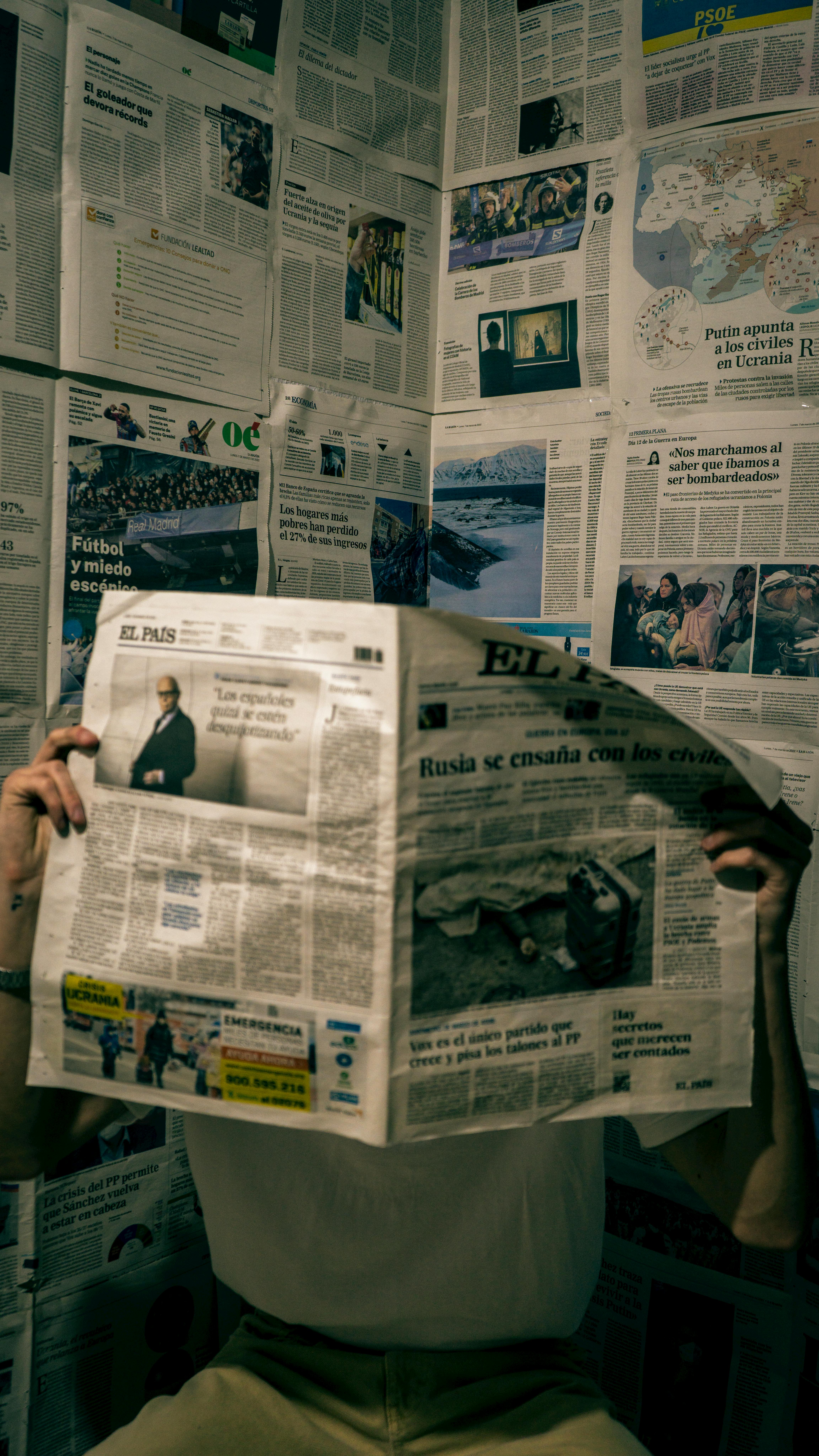
I keep coming back to the same point. A famous person is still a person, not a brand mascot that exists for public consumption. That means media consumers should ask better questions: What is confirmed? Who is speaking? What motive is there? What is being left out? That habit will save you from half the nonsense in circulation.
Comparison table: celebrity gossip vs. the biggest rival, verified reporting
| Factor | Celebrity Gossip | Verified News Reporting |
|---|
| Source quality | Anonymous tips, fan accounts, hearsay | Named sources, official records, direct confirmation |
| Speed | Very fast | Slower, checked |
| Accuracy | Often shaky | Higher, because it is reviewed |
| Tone | Emotional, dramatic, snarky | Measured, factual |
| Best use | Tracking public chatter | Understanding what actually happened |
| Risk to reader | Misinformation, overreaction | Less drama, more truth |
| Impact on subject | Can inflame rumors | Can clarify facts and context |
| Typical outcome | Big buzz, small proof | Slower buzz, firmer record |
The competition is not just another outlet. It is the rumor economy itself, which competes with reality every day and often wins the first round. But it rarely wins the final one if the facts are properly reported. That is why serious readers should compare a tabloid blast with a wire-service write-up before deciding what to believe.
Common misconceptions and what to know
Misconception 1: If it is everywhere, it must be true. No. Repetition is not verification, and social media can turn one weak claim into a hundred carbon copies before lunch. I have seen entire narratives built from one photo, one sentence, and a lot of wishful thinking. That is not reporting. That is fan fiction with better typography.
Misconception 2: Famous people owe the public every detail. They do not. Public figures owe honesty where the public has a real stake—courts, elections, contracts, safety, money, or work—but not every private feeling, family argument, or medical matter. Privacy is not a sin. It is a boundary, and healthy boundaries matter if we still believe people have dignity.
Misconception 3: Silence means guilt. Sometimes it does, and sometimes it means lawyers are working, contracts are being reviewed, or the person has learned that speaking too quickly makes things worse. Silence is not a clean answer. It is a condition, and conditions need context.
Misconception 4: Celebrity coverage is harmless because it is entertainment. Not always. Rumors can damage jobs, families, mental health, and legal standing. A loose allegation can follow someone for years. That is especially true when the target is a woman, a minority, a spouse, or a young public figure with little control over the narrative.
Misconception 5: Every public-relations statement is fake. Also wrong. PR statements can be defensive, yes, but they can also clarify facts, correct errors, or protect legitimate privacy. The smarter move is not automatic cynicism. It is measured skepticism. There is a difference.
Here is the useful rule. Read the report, check the source, separate claims from facts, and beware of stories that are too neat. Life is usually tangled. People are complicated. The old moral truth still holds: a person can be gifted and flawed, wounded and admirable, admirable and foolish, sometimes in the same week.

Frequently asked questions
What counts as celebrity news?
It includes verified updates about famous people’s relationships, careers, legal issues, appearances, and public statements, along with how those events affect fans, employers, brands, and institutions.
Why do celebrity and political stories overlap?
Because both involve influence, image, and public trust. A politician’s private life can become a news issue if it affects office, policy, money, or credibility.
How can I tell gossip from real reporting?
Check whether the story uses named sources, official records, direct quotes, or reputable outlets such as AP, Reuters, or BBC. If it leans on “sources say” with no proof, be careful.
Why do people care so much about public figures?
Because famous people give audiences a story to follow, a target to judge, and a screen for their own hopes and frustrations. That is not flattering, but it is true.
Final thought
The whole business runs on appetite. People want the romance, the downfall, the comeback, the feud, and the confession, but the smarter reader looks past the glitter and asks what is real, what is staged, and what kind of person stands underneath the noise. That is where the actual story lives, and it is usually less convenient than the headline.
I have covered enough of these cycles to know that the public often confuses exposure with truth and punishment with justice, which is a bad habit and an old one. The wiser path is cleaner: verify first, judge slowly, and remember that fame does not cancel human dignity. In the end, that is not softness. It is common sense with a spine.