Amazon is reportedly eyeing a reboot of <strong>The Apprentice</strong> with <strong>Donald Trump Jr.</strong> as host. That sounds like pure tabloid bait, but...
Amazon is reportedly eyeing a reboot of The Apprentice with Donald Trump Jr. as host. That sounds like pure tabloid bait, but the bigger story is business, branding, and politics colliding again, with Prime Video testing how far it can stretch before viewers call foul.
Key Takeaways:
- Amazon reportedly wants a reboot tied to The Apprentice.
- Donald Trump Jr. is said to be in the hosting mix.
- The story sits at the intersection of entertainment, politics, and brand risk.
- Any deal would raise questions about optics, audience reaction, and corporate caution.
- Most of the noise is about symbols, not confirmed facts.
What is Amazon’s reported Apprentice reboot?
Amazon’s reported plan is a television revival rumor centered on The Apprentice, the reality competition that helped turn Donald Trump into a household name long before the White House years. This time, the talk is not about Trump himself, but about Donald Trump Jr. potentially stepping in as host, with Prime Video said to be considering the project.
Frankly, this is not just another entertainment rumor. It is a neat little collision of celebrity, politics, and corporate strategy, which is why everyone has an opinion. When I track stories like this, the first thing I ask is simple: who benefits from the headline? Usually, it is not the viewer. It is the brand trying to stay in the news without looking desperate.
The original Apprentice was never only about business tasks and boardroom drama. It was a political prequel, a personality machine, and a ratings stunt all wrapped together. The show made Trump look like a ruthless executive; later, that image became part of his political brand. That matters because any reboot would not just be TV fluff. It would reopen an old file on how entertainment can shape public life, and not always for the better.
Let’s be real. Most reboot chatter is PR fog until cameras roll. Still, the idea has legs because it offers Amazon a ready-made talking point, a famous surname, and a title with recognition baked in. The problem is that name recognition cuts both ways. People remember the drama, the catchphrases, the smug final boardroom stare—and they also remember the broader baggage.
A Catholic view of this mess keeps one thing in focus: people are not brands first, even when media insists they are. Public figures are still human beings, capable of talent, vanity, error, and change. That does not excuse bad instincts. It does mean the story is never as tidy as the press release wants.
Core Details/Context
Here is the nub of it. Amazon, through Prime Video, is reportedly weighing a reboot of The Apprentice, with Donald Trump Jr. as a possible host. The reports have sparked immediate chatter because the original series is inseparable from the Trump family’s public rise, and because any renewed partnership between a tech giant and the Trumps will be judged through a political lens whether Amazon likes it or not.
The details matter, because the details are where the fluff dies.
- The Apprentice became a cultural hit by turning business competition into spectacle.
- Donald Trump used the show to sharpen a larger-than-life public image.
- Donald Trump Jr. has long played a visible role in the family’s public and political orbit.
- Amazon has to consider not only subscribers, but advertisers, press reaction, and shareholder optics.
- A reboot would invite comparison with other Amazon entertainment bets, from prestige drama to attention-grabbing reality TV.
Everyone keeps talking about “content,” which is the kind of word executives use when they want to sound calm while chasing attention. The truth is simpler: The Apprentice is a known property with political grease on it. That makes it attractive and messy at the same time. The ratings upside is obvious. So is the risk of looking like you are monetizing a political family feud in high definition.
The bigger context is Amazon’s place in entertainment. Prime Video is not a scrappy startup. It is a giant platform with enough cash to take swings, but every swing gets audited by public opinion. If a reboot lands, it would not be judged like a random dating show. It would be treated like a statement. That is the price of working with names this loud.
There is also the matter of Donald Trump Jr. himself. He is not his father, and that distinction matters, even if media coverage often blurs it. He has his own audience, his own political associations, and his own media persona. Whether he can host a revival in a way that feels sharp rather than strained is an open question. Hosting is not just reading cards and smiling on cue. It is control, timing, and a kind of credibility. You cannot fake that for long.
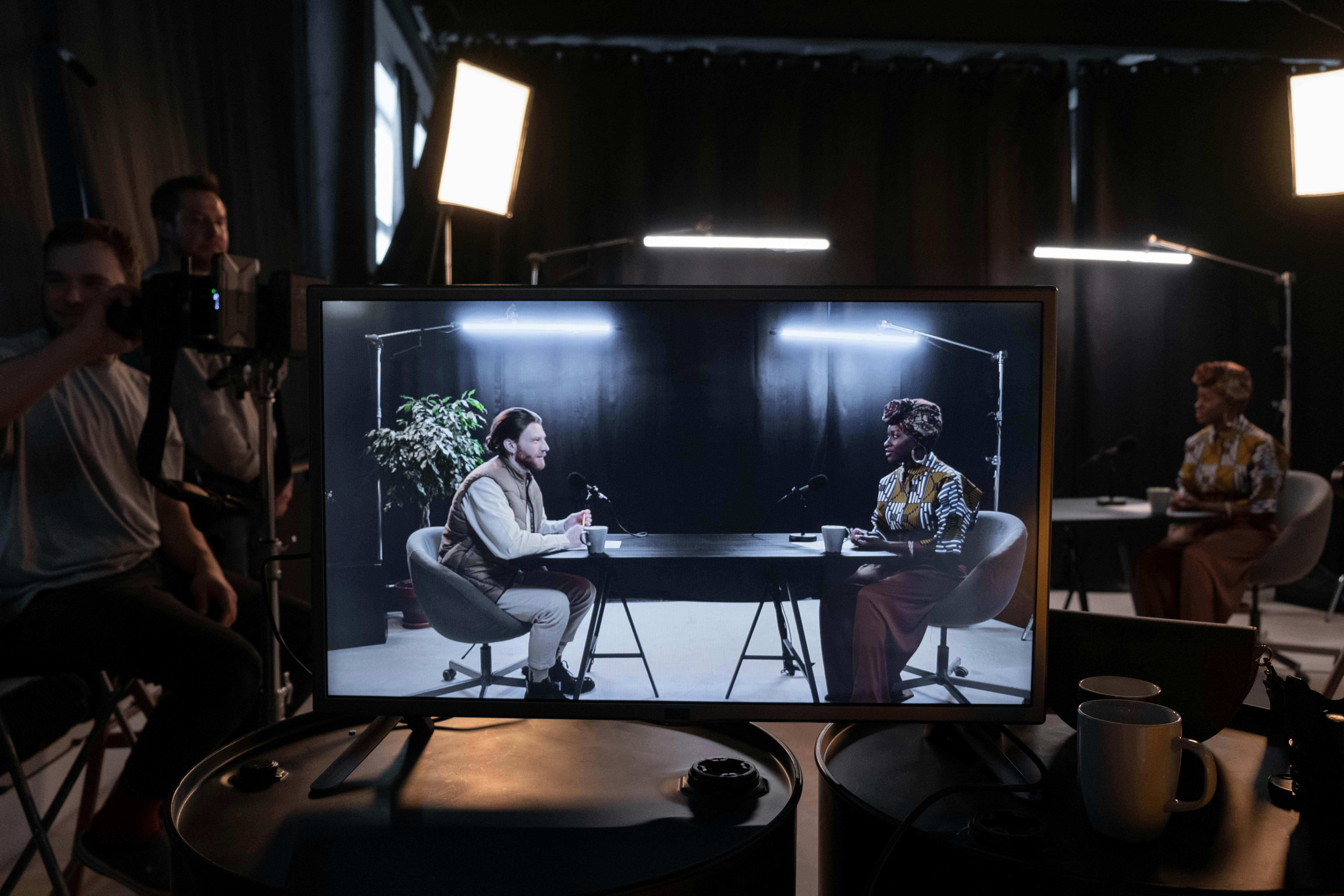
I’ve covered enough celebrity business tie-ins to know this much: when a company courts a hot-button figure, it rarely does so for romance. It is usually for reach. But reach has a bill attached. And that bill shows up fast when audiences smell opportunism.
The story also brushes against larger debates about media coverage and the way fame converts into power. People love to say, “It’s just entertainment,” but that is often the first lie told to keep a controversy profitable. The old show helped normalize a style of public leadership based on dominance, performance, and humiliation. Whether a reboot could or should revive that formula is the real question.
For more on how celebrity buzz turns into political capital, see our breakdown of celebrity public image and power, and for the business side of media risk, check out streaming platforms and brand risk. If you want the broader political angle, our piece on political branding and media strategy lays out the pattern.
Timeline/Step-by-Step
The timeline is messy.
That is the point.
- The original show built the brand. The Apprentice launched as a reality competition built around office politics, task pressure, and boardroom theatrics. It turned Trump into a weekly TV fixture and embedded the “You’re fired” persona into pop culture. At the time, the show looked like a gimmick. In hindsight, it was a megaphone.
- Trump’s image kept growing. The program fed a public persona that mixed wealth, authority, and performance, and that persona later mattered in politics. Not because TV automatically creates presidents, but because repetition works. People forget policy first and remember posture. That is human nature, for better or worse.
- The Trump brand stayed media-friendly. Even after Trump moved into politics, the family name remained a magnet for coverage. Donald Trump Jr. became a steady presence in political commentary, campaign messaging, and media appearances. The family knows how to keep itself visible. That part is not mystical. It is disciplined publicity.
- Amazon entered the rumor cycle. Reports surfaced suggesting Prime Video could explore a reboot tied to the old format. That is where the current storm began. As usual, sources spoke in the soft, slippery language of entertainment rumor: maybe, possibly, under consideration. Translation: don’t treat it as signed until someone is on set.
- Donald Trump Jr. entered the host chatter. The idea of Don Jr. fronting the show is what made the rumor go viral. He has the surname, the familiarity, and enough public profile to draw clicks. But hosting a revival is different from posting online or speaking at rallies. You need pacing, authority, and a tolerance for being judged by a wider audience than your supporters.
- The reaction became the story. That happens every time with a Trump-related headline. Supporters see a comeback. Critics see normalization. The media sees traffic. Amazon sees risk math. Everybody thinks they are discussing television, but they are really discussing power, memory, and who gets to shape the story in the first place.
Here’s the kicker: a reboot can fail before it airs if the cultural mood turns cold. Television is a fickle beast. If the public feels preached at, sold to, or manipulated, it checks out. Fast.
A cleaner way to read the timeline is this: the original show made a family name into a media asset; later, politics made that asset more combustible; now streaming executives are rumored to be testing whether combustion still sells. That is not a creative development. It is a business bet wrapped in a flag.
For added context on media spectacle and public figures, you may also like reality TV reboots and audience fatigue, which explains why old formats keep coming back even when viewers swear they are done with them.
Comparison Table
| Factor | Original The Apprentice | Reported Amazon/Prime Video Reboot |
|---|
| Main figure | Donald Trump | Donald Trump Jr. rumored |
| Platform | Broadcast TV | Streaming via Prime Video |
| Core appeal | Business competition and Trump persona | Nostalgia, controversy, and name recognition |
| Public reaction | Novelty and ratings boost | Skepticism, curiosity, and political baggage |
| Brand risk | Moderate at launch, lower political heat then | Higher, because the Trump name is now deeply politicized |
| Cultural effect | Helped shape a celebrity-politics crossover | Could revive debate about media, power, and spectacle |
The comparison tells the story cleanly. The old version was a novelty, the new version would be a referendum. That is a problem.
Amazon’s biggest competitor here is not another streamer. It is public fatigue. Viewers are tired of being told that a loud name equals a must-watch show. Sometimes it does. Often it does not. The company would need to prove that the reboot has an actual format, not just a headline. Without that, it becomes a stunt with a production budget.
I’ve seen plenty of media companies confuse controversy with value. They are not the same. Controversy can bring a crowd to the door. It cannot make them stay. The audience is not stupid, despite what some executives seem to think before breakfast.
Common Misconceptions/What to Know
People love a simple story. Reality refuses to cooperate.
Misconception 1: A report means a deal is done. Nope. Reports are reports. They are smoke, not fire. Until Amazon or the Trump camp confirms specifics, this is still a rumor cycle. Entertainment media lives on those cycles, and a lot of them go nowhere. That is not cynicism. It is experience.
Misconception 2: This is only about television. Not really. It is about brand extension, political identity, and what happens when a platform chases recognition over subtlety. The show title is a wrapper. The filling is politics.
Misconception 3: Donald Trump Jr. would simply be “the host.” That is too neat. In a project like this, the host is part narrator, part symbol, part lightning rod. If Don Jr. is the face of the reboot, viewers will read him through family history, political loyalties, and media habits. You cannot scrub that off with good lighting.
Misconception 4: Everyone will either love it or hate it. That binary is lazy. Some viewers will watch out of curiosity. Some will reject it on sight. Some will hate-watch. Some will ignore it. Most media controversies are more mixed than the headlines admit. Human beings are complicated, praise be, and not everyone fits the script.
The other thing people miss is how much of this is about public image management. A family with a huge profile often lives in a mirror maze. Every move is read as strategy. Every silence is read as strategy. That is exhausting, and it can flatten real people into caricature. We should be careful there, even while calling out the game.
For a broader look at rumor-driven coverage, see rumor cycles and media hype. It explains why half the internet treats “may be considering” like a contract.
Frequently Asked Questions
Is Amazon really rebooting The Apprentice with Donald Trump Jr.?
At the time of reporting, it is still framed as a report or rumor rather than a confirmed production announcement. That means the claim should be treated cautiously until Amazon or the involved parties make it official.
Why would Amazon consider this at all?
Because it has built-in recognition. A famous title and a high-profile family name can generate instant attention, which streaming platforms often value. The catch is that attention is not the same as goodwill.
Would Donald Trump Jr. be a natural host?
He has the name recognition and media exposure, but hosting requires more than visibility. It demands rhythm, authority, and the ability to keep the show moving without turning every segment into a political monologue.
Why is this story controversial?
Because it sits at the intersection of entertainment and politics. The Trump name carries strong reactions, and any partnership with a major platform will be viewed through questions about profit, influence, and cultural messaging.
Final Thought
This story is about more than a reboot. It is about what happens when media companies keep chasing names that already come preloaded with public memory, controversy, and loyal enemies, and they do it because attention is a currency that never quite stops printing. Maybe the show happens. Maybe it fades. Either way, the bigger lesson remains: fame is not innocence, and applause is not wisdom.
A harder truth sits underneath the noise. We are quick to treat public figures like products and just as quick to excuse ourselves for consuming them that way. That is the ugly little bargain of modern media. The smarter response is not blind outrage or blind cheerleading. It is discernment, charity, and a steady refusal to confuse image with substance. People are more than their worst press release, but they are also more than the pose they sell.
If Amazon really wants to bring back The Apprentice, it should expect the old boardroom drama to return in a new form: not just contestants fighting for a title, but audiences deciding whether they want to buy the whole package again. Frankly, that verdict may be harsher than any scripted firing line.
