The arrest changed everything. What came next was uglier, louder, and more revealing than the first headlines suggested, because the weapon, the image, and the...
Aftermath of the Arrest: What the White House Correspondents’ Dinner Shooting Suspect’s Shotgun and Post-Arrest Photo Really Tell Us
The arrest changed everything. What came next was uglier, louder, and more revealing than the first headlines suggested, because the weapon, the image, and the public reaction turned a criminal case into a national spectacle. The facts matter here, not the theater.
Key Takeaways- The suspect’s shotgun and post-arrest photo became the center of public attention.
- Early stories were noisy, but official records and credible reporting matter more.
- The case sits at the intersection of criminal law, public safety, and media frenzy.
- People are more than the worst thing alleged about them, but the alleged facts still deserve hard scrutiny.
What is the White House Correspondents’ Dinner shooting suspect aftermath?
The aftermath is the part people skip, which is a mistake. It covers the arrest, the evidence handling, the public release of images, the legal charges, and the media scrum that follows any high-profile violent case, especially one tied to Washington, celebrity politics, or a major civic event. Frankly, the headline is only the bait.
In this case, the phrase “aftermath of arrest” points to several things at once: the recovery and public discussion of the shotgun allegedly connected to the incident, the circulation of a post-arrest photo, and the larger effort by law enforcement to establish what happened, when, and why. I’ve covered enough public scandals to say this much: the first wave of coverage is usually half fact, half adrenaline.
The legal side is more important than the gossip side. A suspect image can look cold, haunted, or flat-out shocking, but that does not prove guilt or innocence by itself. The same goes for a weapon shown in a photo or described in filings. What matters is chain of custody, forensic analysis, witness statements, and the charges actually filed. Everything else is commentary, and a lot of commentary is trash.
There is also a human side that gets ignored when people start performing outrage for clicks. Catholic teaching puts a hard brake on that instinct: a person is not reducible to a mugshot, and even a serious accusation does not erase human dignity. That does not excuse violence. It simply keeps us honest.
For the legal framework around public trials and evidence, readers should also look at official court and law-enforcement updates rather than rumor mills. A useful contrast appears in broader reporting on violent crimes and arrest procedures from outlets such as FBI news releases, U.S. Department of Justice news, and major coverage from Reuters U.S. politics and crime reporting. Those sources are boring in the best way. Boring beats invented drama every time.
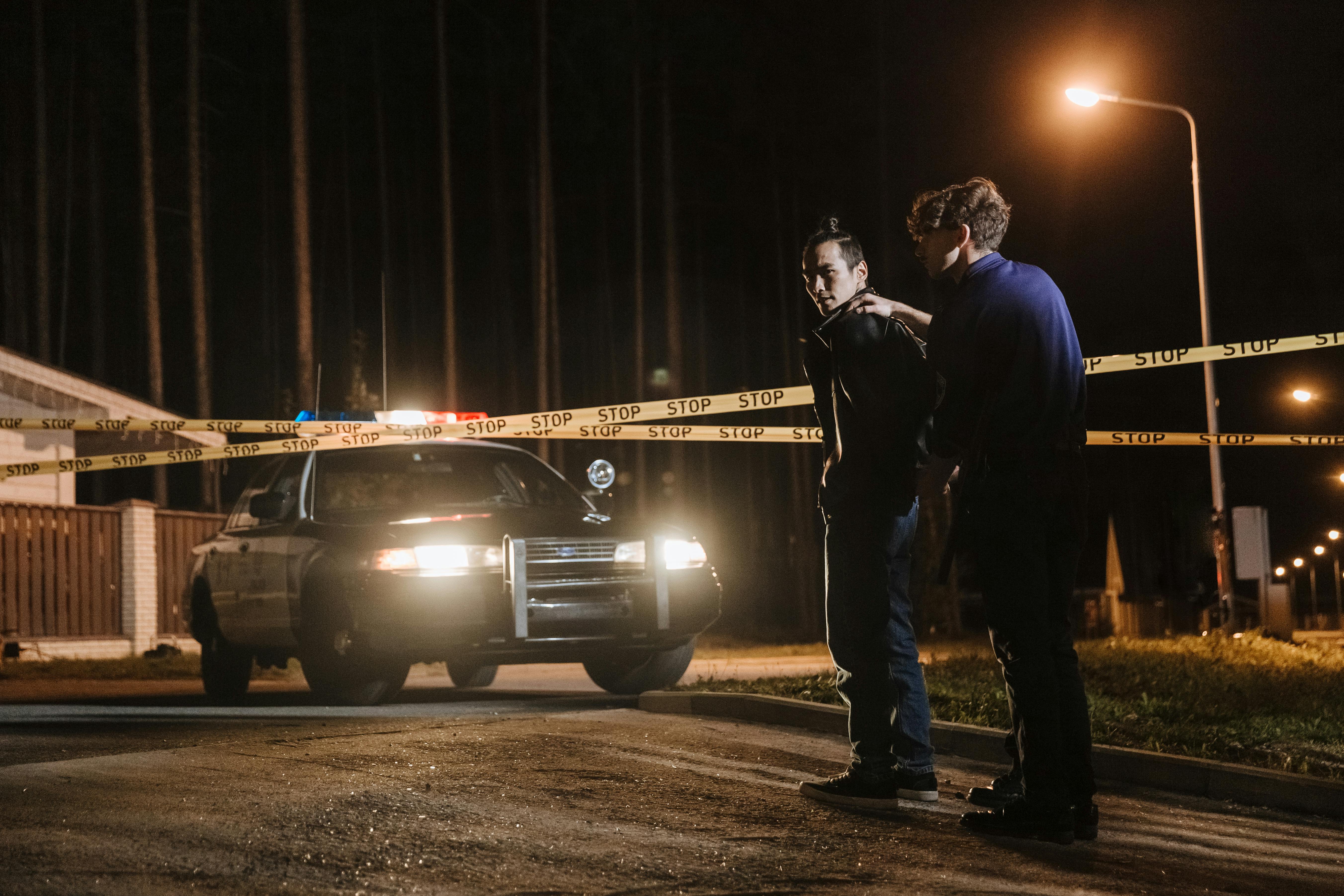
Core details and context
Here’s the kicker: high-profile arrest stories are rarely about just one object or one photograph. They become symbols. The shotgun becomes a prop in the public mind. The post-arrest photo becomes a shorthand for fear, suspicion, or victory depending on which side of the argument you’re on. That is how media culture works, and it works badly when people stop separating evidence from emotion.
What should be examined first?
- The weapon: Was it recovered at the scene, in a vehicle, or elsewhere? Was it logged correctly?
- The arrest record: What did police say, and what did they not say?
- The image: Was the photo official, leaked, or recycled from another source?
- The charges: Were they state, federal, or both?
- The timeline: Did the alleged act, the arrest, and the release of information line up cleanly?
I’m skeptical of instant narratives because they usually overpromise and underdeliver. A lot of people see a photo and think they understand the whole case. They do not. The face in a police image is not a summary of the evidence. It’s a snapshot. A bad one, usually.
The “chilling” label in headlines is predictable. Newsrooms love that word because it sells fear without needing proof. Sometimes it fits. Sometimes it is just editorial wallpaper. The real question is whether the arresting agency, prosecutors, and investigators can substantiate every claim with records that hold up in court. That is where the story either stands or collapses.
There is also the public image problem. In celebrity and political cases, a suspect’s picture can travel faster than the case file. The internet then starts assigning character traits from a single frame. That’s lazy. It also ignores the moral truth that human beings can be both capable of grave wrongdoing and still not be reduced to a single moment. Judgment should be serious, not sloppy.
For examples of how evidence and charging decisions are reported in major cases, see Associated Press crime coverage and CNN U.S. live coverage. Those outlets often differ in tone, but both show the basic machinery of breaking news: facts first, noise second.

Timeline and step-by-step
- The reported incident occurs. A shooting allegation tied to a major public event creates immediate alarm, and law enforcement begins treating the matter as urgent because public safety comes first. I’ve seen this pattern before: the first hour is chaos, the second is rumor, and the third is where the facts start clawing their way back in.
- Police identify and arrest a suspect. Once a suspect is taken into custody, the focus shifts from field response to evidence collection, statements, and probable cause. This is where official records matter most. A suspect image may circulate quickly, but the legal paper trail is what counts.
- The weapon becomes part of the story. The shotgun reportedly associated with the case is examined, documented, and compared with witness accounts or forensic findings. If prosecutors want a conviction, they need more than a scary headline and a dramatic object photo.
- The post-arrest photo appears. This is the media flashpoint. The image gets labeled “chilling,” “blank,” “cold,” or worse. Let’s be real: those words are mostly for the audience, not the court. They tell you how the newsroom wants you to feel.
- Authorities file charges or continue investigation. Depending on the jurisdiction and facts, the case can move through state criminal process, federal review, or both. The exact charge structure matters because legal standards differ.
- Public commentary explodes. This is the messy part. Commentators, rivals, and random internet prophets rush in. Most of them know less than they think. If the case touches a political figure or event, the volume gets louder and the facts get thinner.
- Court proceedings begin. Hearings, arraignment, discovery, and pretrial motions slowly strip away the drama. That’s the part nobody wants to watch because it lacks fireworks. Yet that is where truth usually gets tested.
If you want a broader example of how arrest and prosecution timelines are documented in public cases, official explanations from the U.S. Courts criminal cases overview are helpful. Dry? Yes. Useful? Also yes.
Comparison table
| Aspect | Suspect aftermath story | Typical celebrity gossip scandal |
|---|
| Main issue | Possible violent crime and arrest evidence | Reputation drama, feuds, and relationship noise |
| Key objects/images | Weapon, arrest photo, case file | Paparazzi photos, social posts, anonymous tips |
| Legal stakes | High; can involve serious criminal penalties | Usually low unless defamation or contract disputes arise |
| Public reaction | Fear, outrage, political spin | Curiosity, mockery, fandom debate |
| Evidence standard | Police reports, forensic records, charging documents | Often none beyond hearsay |
| Media problem | Turning facts into spectacle | Turning gossip into “news” |
The difference matters. A lot.
Too many people lump every famous-person story together, as if a breakup, a lawsuit, and a shooting allegation all belong in the same bucket. They do not. One is tabloid fodder. One may be a criminal case. One can alter lives, careers, and public trust in a flash.
If you want a media-literacy comparison, look at how credible outlets handle serious criminal matters versus entertainment chatter. Reuters and AP tend to keep to the record, while tabloid-style coverage often leans on atmosphere. Atmosphere is cheap. Evidence is expensive.
Common misconceptions and what to know
The biggest misconception is that a dramatic photo proves a dramatic truth. It doesn’t. A post-arrest photo can show exhaustion, defiance, shock, confusion, or plain bad lighting. Humans are not cartoon villains stamped from a single frame. We are more complicated than that, which is exactly why judgment without facts becomes a moral mess.
Another mistake is assuming the shotgun seen in coverage automatically equals guilt. Not quite. A weapon can be linked to a suspect in several ways, and each one has to survive legal scrutiny. Was it recovered near the scene? Was it tied by forensic evidence? Was it actually the instrument alleged in the complaint? Those are different questions, and sloppy reporting often pretends they are the same.
Here are the myths to toss out:
- Myth: A shocking mugshot tells you the whole story.
Reality: It tells you almost nothing beyond arrest status. - Myth: If a weapon is shown in a headline, the case is closed.
Reality: The evidence still has to be tested and admitted. - Myth: Public outrage equals proof.
Reality: Outrage is noise, not a verdict. - Myth: People connected to major events are either heroes or monsters.
Reality: Real life is rougher than that. People can be gifted, broken, admirable, and culpable all at once.
This is where charity in judgment matters. That doesn’t mean softening the facts. It means refusing to turn a person into a symbol before the record is in. I’ve seen too many cases where the internet convicted someone faster than any prosecutor ever could. That’s not justice. That’s a mob with Wi-Fi.
Another thing: political and entertainment stories often mix together when the person, place, or event is high-profile. That does not improve accuracy. It usually makes it worse. If the case touches officials, donors, or public figures, expect spin from every direction. Skepticism is not cynicism. It is self-defense.
For readers who want to compare media treatment of serious cases, the reporting standards reflected in BBC News and NBC News often show the difference between verified facts and hot air. Not perfect, but better than rumor dressed as certainty.
Frequently asked questions
What does the arrest photo really tell us?
Not much by itself. It confirms custody and shows an image from the arrest process, but it does not prove intent, motive, or the full evidence picture. If people think a photo replaces a case file, they’re fooling themselves.
Why is the shotgun such a big part of the story?
Because weapons carry legal and emotional weight. A shotgun in a violent case is not just an object; it becomes part of the prosecution narrative, the defense response, and the public’s understanding of what happened. The law, though, cares about linkage, not theater.
Can media coverage affect the case?
Yes, especially at the public perception level. Pretrial publicity can shape opinion, pressure institutions, and muddy the waters. Courts are supposed to rely on evidence, not headlines, but headlines still affect the atmosphere around a case.
Is it fair to call the photo “chilling”?
That depends on the facts and the image. Often it’s a newsroom word meant to trigger a reaction. Sometimes it fits. Sometimes it’s just a cheap hook. Read the report, not just the caption.
Final thought
The aftermath of a high-profile arrest is never just about the arrest. It becomes a test of how seriously we treat evidence, how quickly we turn people into characters, and whether we still believe that truth is more durable than a headline. Most of the noise fades. The record remains.
That’s why the shotgun, the post-arrest photo, and the public uproar should be read carefully, not greedily. The story may feel sensational, but the law is a slower machine, and thank heaven for that. Real justice is rarely flashy. It is patient, restrained, and hard to fake.
If you want the blunt version, here it is: don’t let a picture do the work of a trial. Don’t let a weapon photo replace a forensic report. And don’t let outrage erase the dignity of anyone involved, even when the allegations are grave. A civilized public can condemn violence without becoming savage in response.
The court record will matter long after the headlines lose their shine.